

Wit-Color
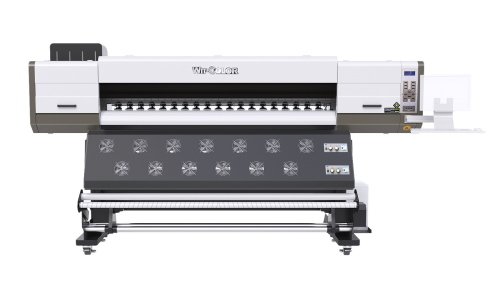
Sublimation 1.6m Epson i3200 1702DS

Ultra i3200 1702
Sublimation 1.6m Epson i3200 1702DS
Wit-Color Ultra Ultra i3200 1702 TP 1.6m Transfer Paper Printer with i3200 Printheads Print Width: 1.6m Printhead: Epson i3200 Printhead…
Discover
Wit-Color
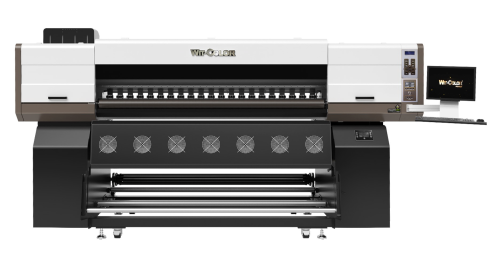
Sublimation 1.8m Epson i3200 1904DS
Ultra i3200 1904TP
Sublimation 1.8m Epson i3200 1904DS
Wit-Color Transfer Paper Printer Ultra i3200 1904TP Sublimation Ink EPSON Print Width: 1.8 m Print Head: Epson i3200 Print Head…
Discover
Wit-Color
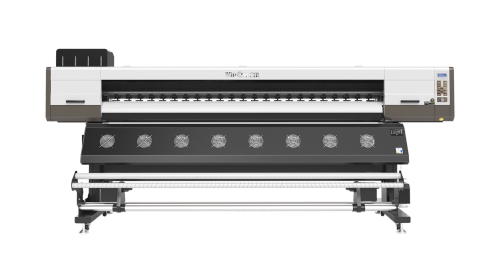
Sublimation 1.8m Epson i3200 1908DS
Ultra i3200 1908TP
Sublimation 1.8m Epson i3200 1908DS
Wit-Color Transfer Paper Printer Ultra i3200 1908TP Print Width:1.8m Print Head: Epson i3200 Print Head Quantity: 4pcs Inks: Sublimation RIP…
Discover
Wit-Color
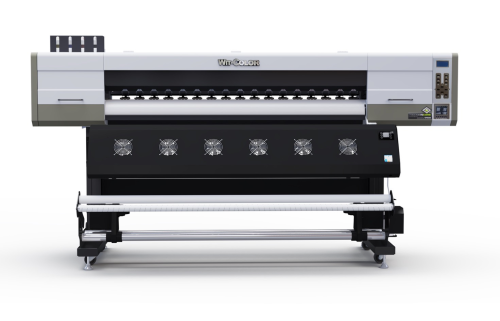
Sublimation 2.2m Epson i3200 2402DS
Ultra i3200 2402TP
Sublimation 2.2m Epson i3200 2402DS
Wit-Color Transfer Paper Printer Ultra i3200 2402TP Sublimation Ink EPSON Print Width: 2.3m Print Head: Epson i3200 Print Head Quantity:…
Discover

Sublimation printing machines work on the principle that an image printed onto transfer paper turns into gas under heat and pressure and penetrates the polyester fibre. The dye does not form a layer on the surface; it moves into the fabric itself, so the print cannot be felt by hand, does not crack and does not fade in the wash.

The Wit-Color models in this category are offered in widths from 1.6 to 2.2 metres with Epson i3200 printhead configurations. Flags, pennants, sportswear, textile signage and promotional products are the most common applications.

Frequently Asked Questions About Sublimation Printing Machines

Which fabrics does sublimation printing work on?

The best results are achieved on polyester and polyester-blend fabrics. Sublimation is not suitable for natural fibres such as cotton because the dye cannot bond to the fibre; DTF is preferred for that kind of work.

How durable is the print?

Because the dye penetrates the fabric fibre, the print is highly resistant to washing, abrasion and sunlight. As there is no layer on the surface, no cracking or flaking occurs over time.

What is the difference between models with and without a fixation unit?

On models with fixation the heat unit is integrated into the machine and setting takes place at the output. On systems without it, this step is carried out with a separate calender press, which changes space and workflow planning.