

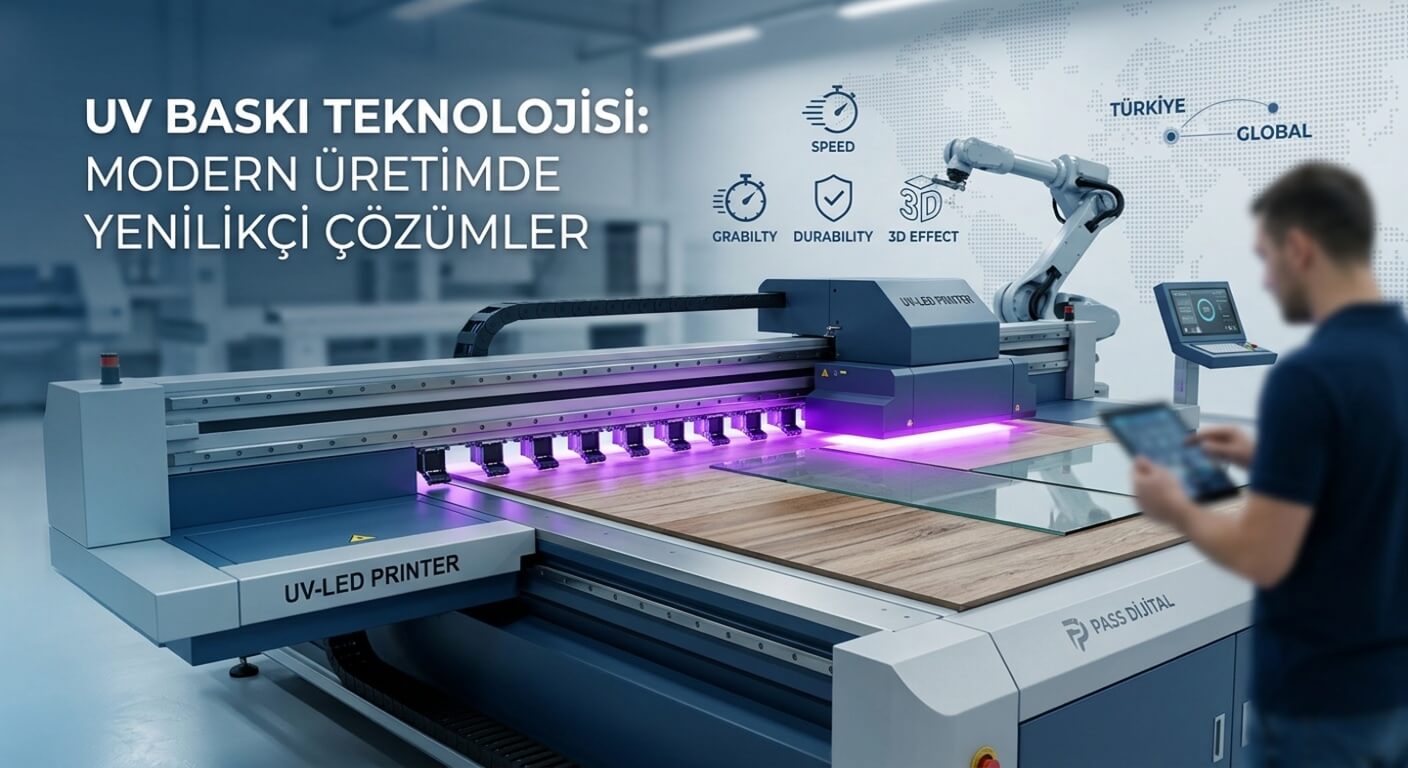
UV printing machines are among the most advanced technologies in the digital printing industry, combining speed, quality, and versatility. Unlike traditional printing methods, UV printing operates on the principle of instantly curing special inks using ultraviolet light. This enables faster production processes while achieving maximum print quality.
Today, UV printing technology is widely used across various industries, from advertising and industrial manufacturing to architectural decoration and personalized products. In this content, we comprehensively cover the entire process of UV printing machines, from their working principles and technical details to their advantages and application areas.
Nowadays, UV printing machines have become one of the most important digital printing solutions, offering high efficiency and premium production quality for both small businesses and industrial manufacturers.
What Is UV Printing Technology and How Does It Work?
UV printing technology is based on the instant curing of specially formulated inks applied to a surface using UV light. In this system, instead of air-drying, the ink solidifies through a chemical reaction and bonds directly to the substrate.
This provides the following advantages:
- No waiting time for drying
- Faster post-print processing
- More durable and vibrant results
UV printing can be directly applied to a wide range of surfaces such as glass, metal, wood, plastic, and leather. This makes it significantly more flexible than conventional printing methods.
Technical Depth in UV Printing Technologies
The high performance offered by UV printing systems is the result of a complex engineering integration beneath the surface. Understanding that a printing machine is not merely an output device but also a precise chemical and optical processing system is the first step toward making the right technology investment. Every technical parameter—from ink jetting frequency to light wavelength—directly determines adhesion strength, color accuracy, and resistance to external factors. This level of sophistication enables businesses not only to print but also to maintain a consistent and sustainable quality standard.
At the core of technological innovation, curing systems and printhead architectures are the fundamental pillars shaping the operational lifespan and unit cost of the machine. As modern production lines become increasingly digitalized and aim for maximum speed with minimal energy consumption, the synchronization of hardware components minimizes errors and maximizes efficiency. When this technical expertise is combined with intelligent systems that reduce operator intervention, UV printing becomes an unmatched solution in fields ranging from industrial decoration to high-volume advertising production.
Curing Technologies: LED UV and Laser Systems
One of the most critical components of UV printing is the curing system. Today, the most widely used technology is LED UV systems. These systems stand out with low energy consumption, long lifespan, and minimal heat generation.
Although laser-based systems offer higher precision, they are not yet widely adopted due to their cost and complexity. Therefore, LED UV has become the industry standard.
Low-Energy Curing and Efficiency
Low-energy curing systems reduce operational costs by delivering the same performance with less energy consumption. This is a significant advantage, especially for companies engaged in high-volume production.
Printhead Technologies
One of the most important factors determining the performance of UV printing machines is the printhead.
- Epson i3200: High resolution and cost efficiency
- Ricoh Gen5 / Gen6: Industrial speed and durability
- Konica Minolta 1024i: Stable performance and long lifespan
Choosing the right printhead directly impacts both print quality and production speed.
3D Effect and Layered Printing Technology
One of the most remarkable features of UV printing is its ability to produce embossed (3D) prints. Thanks to layered printing, tactile textures can be created on the surface.
With this technology, the following can be achieved:
- Embossed lettering
- Varnish effects
- Textured surfaces
This enables the production of high value-added products.
Advantages of UV Printing Machines
Thanks to these advantages, UV printing machines offer a much broader range of applications compared to conventional digital printing systems.
- Fast production: Time savings with instant curing
- High quality: Vibrant colors and sharp details
- Durability: Resistance to water, sunlight, and scratches
- Versatility: Ability to print on various surfaces
- Eco-friendly: Low VOC emissions
Where Are UV Printing Machines Used?
UV printing machines have fundamentally transformed digital printing standards with their ability to transfer high-resolution images onto almost any material, regardless of surface type. On challenging surfaces such as glass, metal, acrylic, and stone—where traditional printing techniques struggle with ink adhesion—UV inks deliver flawless results thanks to their instant curing capability. This technology eliminates the need for lamination or additional protective coatings, offering businesses a flexible workflow that saves both time and operational costs.
The extensive flexibility offered by this technology opens up new business models for companies of all sizes, from mass production lines to boutique design studios. The elimination of drying time enables immediate order fulfillment, while the high resistance of prints to outdoor conditions, scratches, and chemical exposure makes UV technology the preferred choice for projects requiring industrial-grade durability. Today, these machines are not just printing tools but strategic production partners that transform creative ideas into tangible, physical products.
The primary reason for their widespread use across different industries is the ability to print directly onto various surfaces.
Advertising and Promotion Industry
Signage, posters, promotional products, and outdoor advertising are among the most common applications of UV printing.
Industrial Manufacturing
Direct printing can be applied to products in industries such as automotive, electronics, and furniture.
Architecture and Interior Design
Decorative applications can be produced on surfaces such as glass, ceramics, and wood.
Personalized Products
Custom designs such as mugs, phone cases, and gift items can be produced quickly.
UV Printing Machine Prices 2026
UV printing machine prices vary depending on the machine’s technical specifications, print area, printhead technology, and production capacity. There can be significant differences between entry-level desktop solutions and high-capacity systems integrated into industrial production lines. Therefore, rather than defining a fixed price range, it is more appropriate to determine the right machine based on your business needs.
Factors such as printing speed, ink consumption, energy efficiency, and technical service support directly affect the total investment cost. For this reason, instead of focusing solely on the initial purchase price, long-term efficiency and return on investment should be taken into consideration. To find the most suitable model for your needs, you can review our UV printing machines page or consult with our experts to identify the best solution for your business.
Request a UV Printing Machine Quote
You can contact us to determine the most suitable UV printing machine model for your business and get detailed information.
Popular UV Printing Machine Models
| Fotoğraf | Ürün Kodu | Ürün Adı | Detaylı Bilgi |
|---|---|---|---|
|
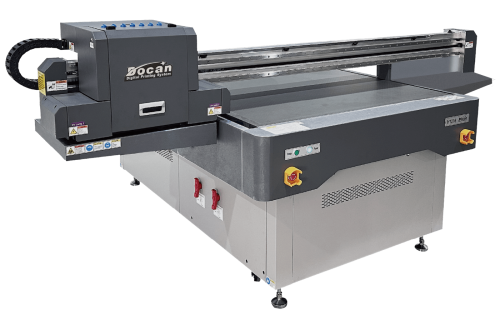
Docan H1216 | Flatbed UV Digital Printing Machine Ricoh Gen6 / Epson i3200-U1 | Review |
|
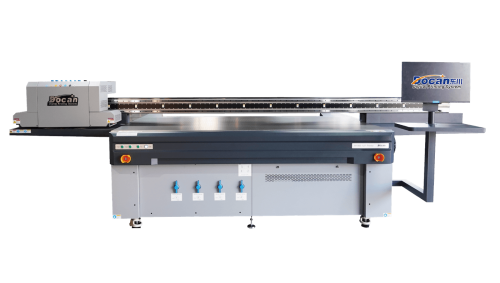
Docan UV H1000 | Flatbed UV Digital Printing Machine Kyocera, Ricoh | Review |
|
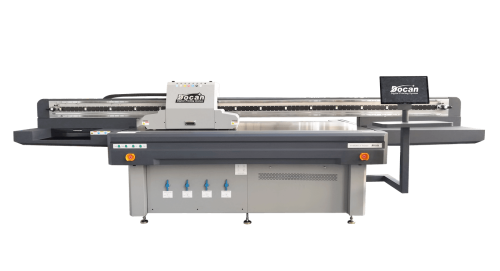
Docan UV H1600M | Flatbed UV Digital Printing Machine Kyocera, Ricoh | Review |
|
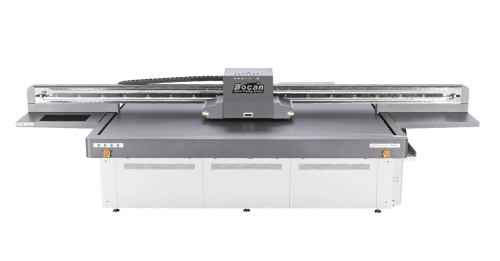
Docan UV H3000 | Large Size Digital UV Printing Machine | Review |
|
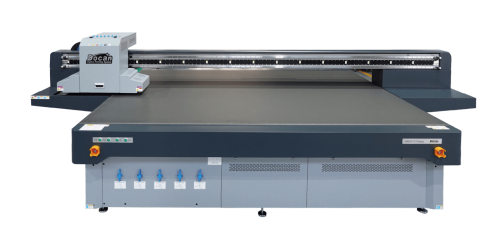
Docan UV H3220 | Industrial UV Flatbed Printer | Review |
|
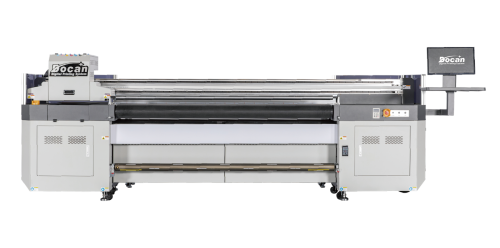
Docan UV FR2010 | Industrial Hybrid UV Printing Machine | Review |
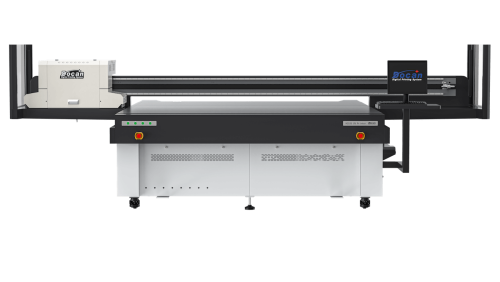
|
Docan UV H2525 | Flatbed UV Digital Printing Machine | Review |
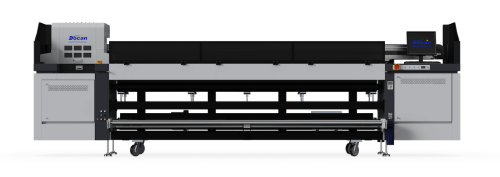
|
Docan UV S3200 | Kyocera, Ricoh and Konica Printhead Options | Review |
What to Consider When Choosing a UV Printing Machine?
Investing in a UV printing machine is not just about purchasing equipment—it is a strategic decision that will impact your production capacity and product quality for years to come. The right machine not only streamlines your current workload but also enables access to niche markets that were previously out of reach. Instead of focusing solely on the price tag, it is essential to evaluate the machine’s printhead technology, software compatibility, and long-term stability as a whole. An investment made without proper needs analysis may lead to chronic issues such as insufficient capacity or high operating costs in the short term.
One of the most critical factors in optimizing return on investment (ROI) is technological flexibility. A machine that can handle materials of varying thicknesses and supports value-added features such as white ink and varnish will give you a competitive edge in a highly saturated printing market. Additionally, the availability of a strong after-sales service network and easy access to spare parts are vital for uninterrupted production. It should be noted that the best machine is not only the fastest one, but the one that integrates seamlessly into your workflow and operates with minimal waste.
Machine Type
- Flatbed UV printing machines (for rigid surfaces)
Flatbed UV printing machines are preferred for high-precision printing on flat surfaces such as glass, wood, and metal. Thanks to their fixed bed structure, they deliver stable and high-quality results even on heavy and thick materials.
- Roll to Roll UV printing machines
Roll to Roll UV printing machines are ideal for high-speed production on flexible materials such as vinyl, banners, and films. They are especially preferred for large-format prints in advertising and outdoor applications.
- Hybrid UV printing machines
Hybrid UV printing machines are versatile systems capable of printing on both rigid and flexible surfaces. They provide an efficient solution for businesses looking to handle multiple types of jobs with a single machine.
Cost and Performance
- Ink consumption
- Energy usage
- Printing speed
- Maintenance costs
Technical Service and Support
Purchasing a UV printing machine is not the end of the process—in fact, it is just the beginning of a critical phase: technical service and support. These machines are high-precision digital systems that may require maintenance, calibration, or part replacement over time.
Working with brands that lack a strong technical service network can result in prolonged downtime in case of failure, negatively affecting customer satisfaction and business continuity. Additionally, some companies may face challenges in sourcing spare parts and consumables, which poses a significant risk to operations.
Therefore, one of the most important criteria when purchasing a machine is the strength of the supplier’s after-sales support structure. How quickly is technical support provided? Are spare parts easily accessible? Is remote support available? These are critical questions that must be addressed.
Pass Dijital, as a reliable brand in this field, offers a widespread service network across Türkiye along with an instant support team. It also provides various advantages such as technical training, spare parts supply, and remote troubleshooting. This ensures that machines operate with maximum efficiency and minimal downtime.
The Future of UV Printing Technology
UV printing is evolving into smarter and more automated systems with the advancement of Industry 4.0. Thanks to software integrations, production tracking, and data analytics, businesses can operate more efficiently.
In addition, new technologies such as UV DTF are further expanding the application scope of UV printing.
Frequently Asked Questions About UV Printing Machines and Technology
Due to its extensive capabilities and technical depth, UV printing technology raises many questions for both entrepreneurs entering the industry and professionals seeking to modernize their production lines. From ink adhesion principles and energy efficiency to printhead lifespan and investment costs, these details play a critical role in selecting the right machine and managing operations efficiently. In this section, we have compiled the most frequently asked questions about UV printing processes along with technical answers to help you better understand the value this technology brings to your business.
What are UV printing machines used for?
They are used to produce high-quality and durable prints on various surfaces.
What materials can be printed with UV printing?
Printing can be done on glass, metal, wood, plastic, leather, and many other surfaces.
Which is better: UV printing or DTF?
It depends on the application. UV printing is applied directly to the surface, while DTF uses a transfer method.
Are UV printing machines expensive?
It depends on the model, but they provide high efficiency in the long term.
Can UV printing be used outdoors?
Yes, UV prints are highly resistant to sunlight and water.
Can UV printing be applied to all surfaces?
Yes; it can be directly applied to almost all rigid and flexible surfaces such as glass, metal, wood, plastic, leather, and stone.
Is UV printing an environmentally friendly technology?
Yes, unlike solvent-based printing, UV printing produces minimal volatile organic compound (VOC) emissions and does not release harmful gases during the curing process.
Is a special machine required for 3D embossed printing?
No, however, the machine must support white ink and varnish channels and have software capable of layered (multi-pass) printing.