UV printing technology has become one of the indispensable solutions for both manufacturers and design-oriented business sectors in recent years. Thanks to its quick-drying print structure, applicability on a wide variety of surfaces, and high color accuracy, it is now widely used not only in industrial areas but also in the architecture, personal manufacturing, and packaging sectors. This development opens new doors for businesses, both creatively and economically. Especially in design-focused projects, the flexibility offered by UV technology is becoming a powerful factor that increases brand competitiveness.
The increasing visibility of niche market opportunities shows that UV printing is moving beyond merely complementing traditional printing methods. Today, many businesses can differentiate their products through customized production, short-run options, and durable printing solutions. This positions UV printing as a preferred choice, especially in decorative surface applications, personalized product designs, and low-volume production. Companies that have been producing technology for a long time in the sector, such as Pass Dijital, are at the center of this transformation, successfully offering more professional solutions to businesses.
In this content, we will examine the sectoral application areas of UV printing, from architectural applications to the packaging industry, from a broad perspective. We will also address the new market doors opened by rising technologies such as UV DTF and discuss how businesses can turn this transformation into an opportunity. Each section aims to provide a comprehensive outlook, both technically and commercially, supported by practical examples and industry trends.
UV Printing in Architecture and Interior Design
Architectural and interior design applications have become one of the fastest-growing sectors for UV printing technology. This is because the technology more than meets the expectations of architects in terms of both aesthetics and durability. Thanks to the instant curing of UV inks on the surface, high-resolution prints can be made on glass, metal, wood, ceramic, and even composite surfaces. This increases design freedom while significantly accelerating the application processes. Compared to traditional coating and decoration processes, it yields results that are more economical, more flexible, and more unique. Today, many interior designers benefit from the unlimited color options and long-lasting print quality provided by UV printing for personalized surface designs.
Decorative Solutions on Glass and Ceramic Surfaces
The innovation created by UV printing on glass and ceramic surfaces has the power to completely change the visual aesthetics of living and working spaces. UV printing offers both transparent and opaque printing options on glass surfaces, making it possible to create decorative works that add depth to the space. On ceramics, a much richer visual quality is achieved compared to traditional screen printing methods, as the patterns adhere perfectly to the surface. At the same time, patterns produced with UV printing show superior resistance to factors such as high temperature, scratching, and moisture. This creates a wide range of uses, from bathrooms to kitchens, from hotel lobbies to office partition panels. Designers are no longer restricted to standardized tile or glass panel options, being able to develop entirely unique surfaces.
Considering the natural interaction of glass with light, the vibrant colors produced by UV printing are seen to directly influence the ambiance of the space. For example, when printing on transparent glass surfaces, the design can gain a completely different depth when light comes from behind. Furthermore, the strong adhesion of UV inks to the surface offers high performance even on more porous materials like ceramics. The most important reason why customized ceramic tiles according to the concept of the space have become a trend in hotel or restaurant projects is this flexibility. Thanks to the wide-format UV solutions offered by companies like Pass Dijital, both small-scale interior designers and large project applicators can produce high-quality decorative surfaces.
Design Freedom on Wood and Metal Panels
The ability to perform UV printing on wood and metal surfaces provides a great advantage, especially in interior design projects, by eliminating design boundaries. While wood naturally offers a warm appearance, textured, realistic, photographic, or pattern-based designs can be applied to this surface thanks to UV printing. This creates a wide range of uses, from door panels to decorative furniture surfaces, wall coverings, and shelving systems. The ability to print while preserving the texture of wood surfaces allows for the production of customized designs without sacrificing the feel of the natural material. The instant curing of UV print also contributes to speeding up production processes and lowering costs.
UV printing on metal surfaces, on the other hand, offers a feature that highlights modern and industrial designs. The use of UV printing is becoming increasingly widespread, especially in aluminum composite panels, elevator interiors, decorative metal plaques, and directional signage. Despite the cold structure of metal, UV inks adhere strongly to the surface and provide high scratch resistance. This results in a long-lasting solution, especially in high-traffic areas. Interior designers can add a modern character to spaces by applying custom textures, patterns, or graphics reflecting brand identity onto metal surfaces.
Another advantage of UV printing on both wood and metal surfaces is that designs yield realistic results with a wide color gamut and high resolution levels. Unlike traditional coating methods, single-pass production without the need for surface change provides great flexibility, especially in boutique projects. For this reason, UV printing technology has become the primary choice for many designers today.
Long-Lasting Print Applications on Tiles and Floors
UV printing on tiles and floor applications is one of the rare solutions that combine durability and design freedom. Since floor surfaces are exposed to both heavy impact and constant friction, the printing technology used must be very strong. The hard layer formed by UV printing inks on the surface offers high resistance to both water and chemicals. This allows for long-lasting decorative surfaces to be obtained in both indoor and outdoor applications. UV printed tiles are especially preferred in high-traffic areas such as hotels, shopping centers, cafes, and restaurants because they provide both easy maintenance and preserve visual integrity.
Another advantage of using UV printing on floors is the possibility of completely personalized surface designs. While traditional floor coverings are restricted to specific pattern or color options, UV printing makes it possible to create realistic wood textures, marble effects, or unique graphic works that align with the concept of the space. This contributes to the brand identity creation process in commercial areas and offers architects the opportunity to produce unique projects.
One reason why UV printing is preferred for tile and floor applications is that it significantly reduces maintenance costs. Minimizing problems such as scratching, fading, and color loss translates into long-term savings for businesses, especially in large-scale applications. Furthermore, quick curing after application shortens project delivery times. With these features, UV printing is seen as one of the future standard solutions for floor and tile coverings.
The UV Printing Revolution in the Packaging Industry
The packaging industry is one of the sectors where UV printing technology has created the fastest transformation. The increasing demand for personalization from brands, the need for sustainable production, and consumers' aesthetic expectations have made UV printing a standard in this field. The instant curing of UV inks on the surface both increases production speed and significantly enhances the durability of the packaging. Used in a wide range of applications, from cardboard boxes to flexible packaging, labels, and special series products, UV printing provides brands with unlimited design freedom while offering an efficient production model that keeps costs under control.
Personalized Production in Cardboard and Flexible Packaging
In the cardboard and flexible packaging market, personalized production has ceased to be a trend and has become a fundamental need for brands. UV printing technology offers an ideal solution for short-run and custom-designed boxes, labels, and packaging. Especially in product launches, sales campaigns for special occasions, or products in the premium segment, the vibrant colors, textured surface effects, and high resolution achieved with UV printing significantly elevate the brand's perceived value. UV printing retains color vibrancy for a long time thanks to the instant adhesion and curing of the ink on the surface; this is a major advantage for brands looking to stand out on the shelves.
The speed offered by UV printing in flexible packaging applications increases the flexibility of production processes while reducing inventory costs. The ability to produce in short runs based on demand, instead of large-volume production, creates both an economic and sustainable advantage for brands. This technology also allows for quick transitions between product groups; for example, separate packaging designs for different product varieties of a brand can be printed on the same day. This allows e-commerce brands, in particular, to seamlessly meet personalized packaging demands for different customer groups.
Speed Advantage in Prototype and Short-Run Production
One of the biggest contributions of UV printing in the packaging sector is accelerating prototype production. Two problems stand out with traditional printing methods: mold costs and long preparation processes. Since UV printing does not require a mold, the printing process can begin immediately after the design is prepared digitally. This allows brands to quickly test actual packaging samples before launching new products to the market. High color accuracy, resulting in almost no difference between the prototype and the final product, also significantly speeds up the design revision processes.
UV printing provides both an economic and technological advantage for businesses that want to carry out short-run production. Since the costs of traditional methods are high for low-volume production, many brands were forced to adhere to minimum production quantities. This situation has completely changed with UV printing. Brands can now produce high-quality packaging even in low runs such as 50, 100, or 500 units. This flexibility creates a great opportunity, especially for boutique brands, new startups, businesses with limited production, and designers creating personal brand collections.
The speed advantage plays a critical role not only in the production phase but also in the implementation of marketing strategies. Campaign-specific packaging, seasonal product packaging, or limited series packages prepared for an influencer collaboration can be prepared on the same day thanks to UV printing. This makes it easier for brands to adapt instantly to market changes and significantly increases their competitiveness.
Environmental Sustainability and Material Savings
Sustainability in the packaging sector has become a global necessity. UV printing technology contributes greatly to the environmentally friendly production approach. One of the most important advantages is that **no solvent is used** during the ink curing process and **no VOC (volatile organic compounds) are released** into the air. This feature makes the production environment safer and significantly reduces the carbon footprint. Furthermore, the amount of waste is minimized thanks to the full adhesion of the inks to the surface; this is an important environmental gain, especially for large-scale printing facilities.
Material savings is another standout environmental advantage of UV printing. While traditional printing methods have high scrap rates, UV printing delivers near-perfect results in a single pass. This largely eliminates the need for reprinting during production. Reducing the scrap rate, especially in flexible packaging, contributes positively to both the economy and the environment. Moreover, since UV printing operates with low energy consumption, it offers a production model aligned with sustainable energy policies.
Brands are now evaluated not only by the quality of their products but also by the environmental sensitivity of their production processes. UV printing offers an effective solution both for large brands that want to develop sustainable packaging strategies and for small businesses that want to implement environmentally friendly production. Therefore, it seems inevitable that UV printing will become the standard technology in the packaging sector in the future.
The Rise of UV DTF Technology
UV DTF technology has become one of the most talked-about innovations in the printing world in recent years. Rapidly adopted by small and medium-sized manufacturers, this technology addresses a wide range of applications thanks to its surface independence and high-resolution results. UV DTF has a much more flexible structure than classic UV printing. The transfer film structure, which allows it to be applied smoothly even on curved surfaces such as glass, metal, wood, leather, and plastic, makes it a powerful alternative. Therefore, the most important question is: Is UV DTF a complement to classic UV printing or an entirely new wave of competition?
Key Differences Between UV DTF and Classic UV
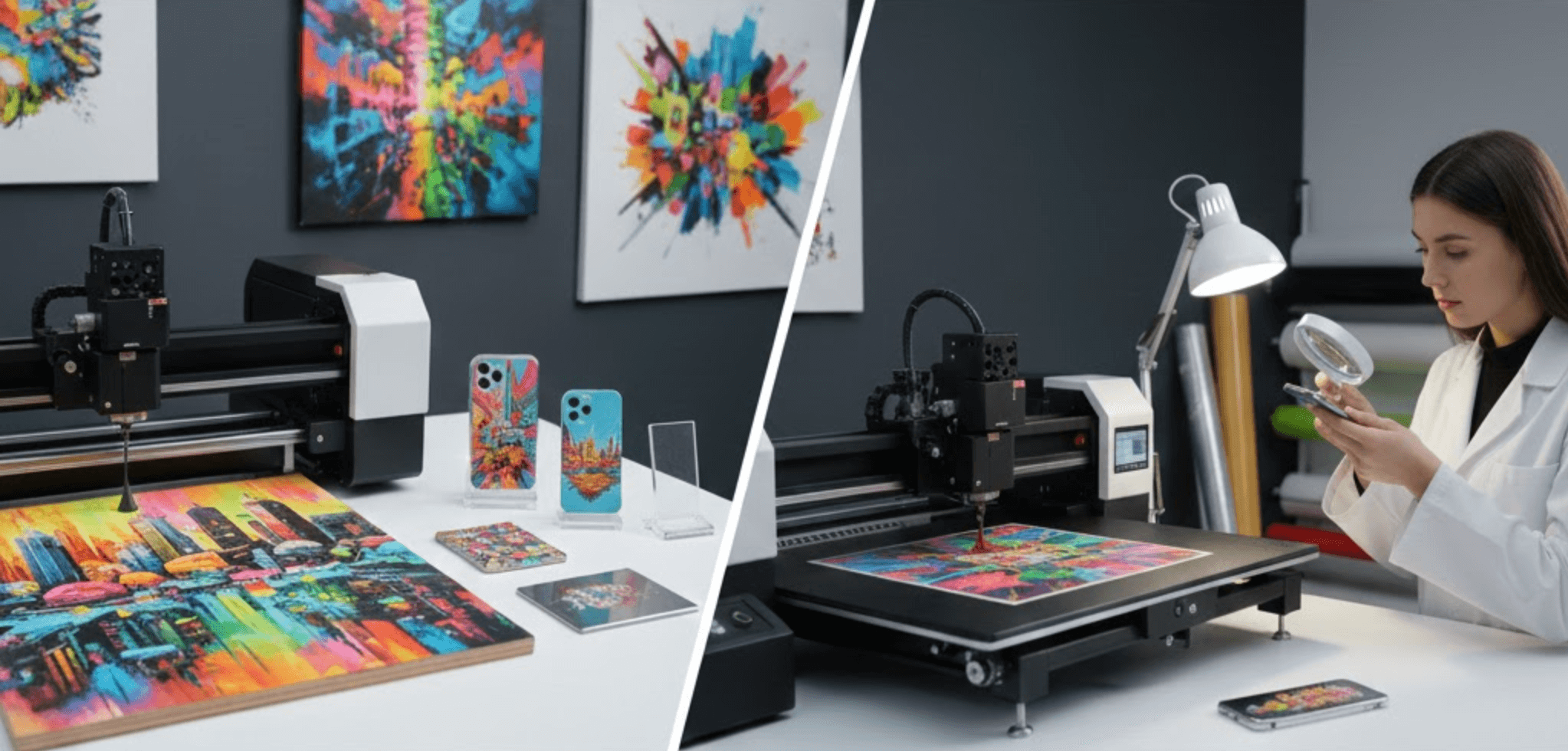
The most distinctive difference between UV DTF and **classic UV printing** is whether the print is applied directly to the surface. Classic UV printing is applied directly to the surface, while UV DTF print is first applied to a special film and then transferred to the desired surface using a transfer method. This system provides a great advantage, especially for rough, curved, or difficult-to-print-on products such as thermal mugs, personalized products, gift items, and mobile phone cases, which can be personalized much more easily with UV DTF. For this reason, many businesses involved in personalized production have quickly adopted UV DTF technology.
Another difference of UV DTF is its surface adhesion performance. While classic UV printing yields efficient results on some surfaces, it sometimes requires pre-treatment depending on the surface structure. UV DTF, thanks to the transfer film, can adhere without requiring surface preparation. This speeds up production processes and makes personalized product production possible with minimum cost. At the same time, thanks to the flexible film structure of UV DTF, even fine lines, small texts, and detailed designs result perfectly. For small businesses, this technology is a powerful alternative that saves both time and initial costs.
Considering all these differences, it is clearly seen that UV DTF will not completely eliminate classic UV printing, but will hold an important position in the market due to its wide surface variety and ease of application. Since both technologies offer strong advantages in their respective fields, they are generally considered complementary solutions.
High-Quality Results with Film Transfer Technique
The film transfer technique is at the heart of UV DTF technology. Printing first onto the film ensures the design is protected and prevents color loss during application. This allows for excellent results, especially for small, detailed graphics. In UV DTF printing, white ink and varnish layers are used in addition to CMYK colors. The varnish layer provides both gloss and surface durability, allowing the design to have a premium look. For this reason, UV DTF prints significantly increase the value of gift items and personalized products.
One of the biggest advantages offered by the film transfer technique is flexibility. Since the design is fixed on the film, the printing accuracy is not compromised, regardless of how curved the surface is. UV DTF offers a much more suitable solution for products that are difficult to print with classic UV, such as thermal mugs, candle lids, small accessories, and personal products with irregular surfaces. Furthermore, the possibility of flawless transfer allows manufacturers to minimize print waste. This translates into a significant economic advantage, especially for small businesses.
The high visual quality also plays a role in increasing the brand value of UV DTF prints. For businesses that carry out small-scale production but prioritize product quality, UV DTF has quickly become a strong solution. Moreover, even single customized prints can be made economically with this technology. Thus, both entrepreneurs and designers producing for personal use can create a wide product range with UV DTF.
Complement or a New Wave of Competition
The rise of UV DTF brought about the following discussion in the printing industry: Is this technology a complementary solution to classic UV printing or is it creating entirely new competition? In fact, both views have merit. UV DTF has revolutionized personalized product manufacturing, especially due to its surface transfer structure. It offers fast and low-cost personalization opportunities for mugs, keychains, phone cases, thermal mugs, and many more products. In this respect, UV DTF is creating an entirely new market, separate from classic UV printing.
However, the areas where classic UV printing is strong are still very extensive. UV DTF is not yet able to provide the same durability and scalability in areas such as architectural surface applications, large format printing, furniture surfaces, and industrial production. Therefore, it can be said that the two technologies are considered complementary solutions. Classic UV printing offers longevity and quality on large surfaces, while UV DTF provides flexibility, speed, and surface independence for personal products. This allows businesses to offer a much wider product range to their customers.
UV DTF technology is expected to develop further in the future. Especially with new film structures, stronger inks, and automatic transfer systems, it seems inevitable that UV DTF will increase its power in the market. However, this does not diminish the importance of classic UV printing; instead, it brings about a hybrid market structure where the two technologies are used together. Thus, manufacturers can choose the right technology for both large-volume jobs and personalized production.
UV printing technologies continue to create transformation in a wide range of fields, from architecture to the packaging industry, from personalized production to industrial applications. When the durability and wide surface compatibility of classic UV printing combine with the flexible film transfer structure of UV DTF, a powerful ecosystem is formed, offering unique opportunities to manufacturers. Companies like Pass Dijital are at the center of this transformation, successfully delivering advanced technology solutions to both large projects and small-scale businesses.
What is important for businesses today is not only producing products but also using fast, efficient, aesthetic, and sustainable methods. UV and UV DTF technologies provide businesses with both cost advantages and innovative solutions, thereby increasing their competitiveness. It is predicted that these technologies will become standard in many more sectors and that niche market opportunities will grow even larger in the coming years.
Therefore, businesses working with UV printing technologies will have the opportunity to both grow their existing markets and open up to new areas. Considering advantages such as design freedom, production speed, sustainability, and surface variety, it is certain that the UV printing sector will be one of the strongest areas in the printing world in the future.
Popular UV Printing Machine Models
| Fotoğraf | Ürün Kodu | Ürün Adı | Detaylı Bilgi |
|---|---|---|---|
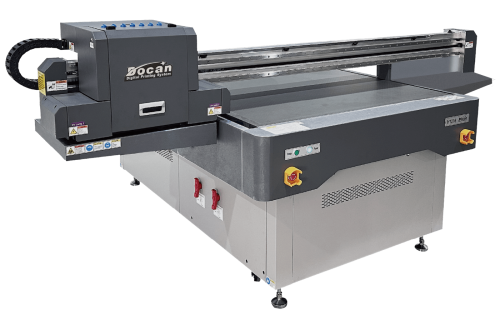
|
Docan H1216 | Flatbed UV Digital Printing Machine Ricoh Gen6 / Epson i3200-U1 | Review |
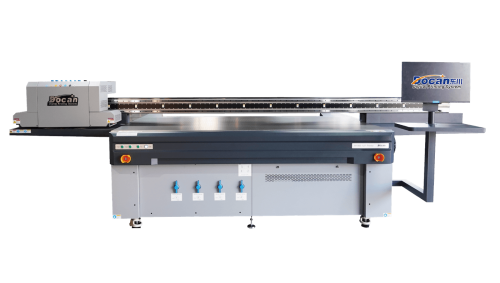
|
Docan UV H1000 | Flatbed UV Digital Printing Machine Kyocera, Ricoh | Review |
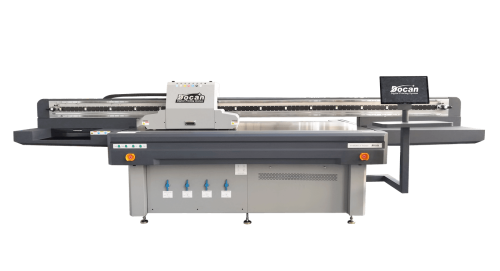
|
Docan UV H1600M | Flatbed UV Digital Printing Machine Kyocera, Ricoh | Review |
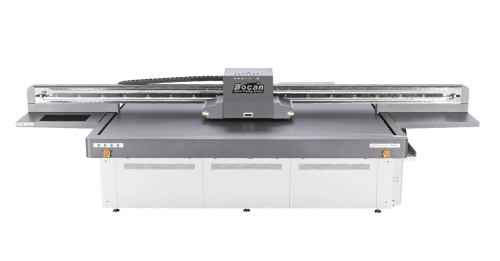
|
Docan UV H3000 | Large Size Digital UV Printing Machine | Review |
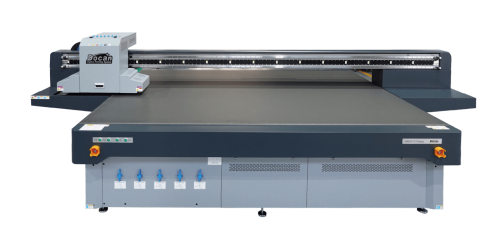
|
Docan UV H3220 | Industrial UV Flatbed Printer | Review |
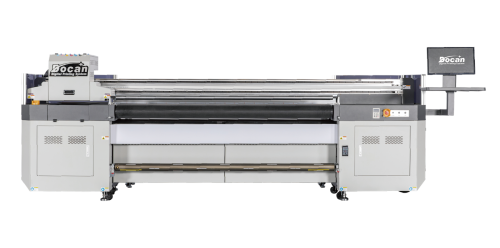
|
Docan UV FR2010 | Industrial Hybrid UV Printing Machine | Review |
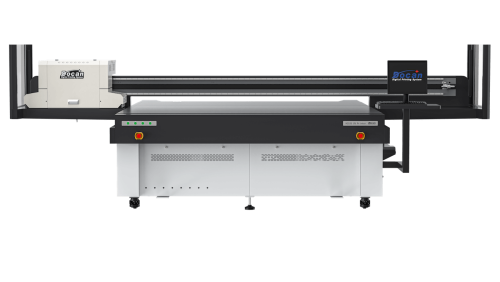
|
Docan UV H2525 | Flatbed UV Digital Printing Machine | Review |
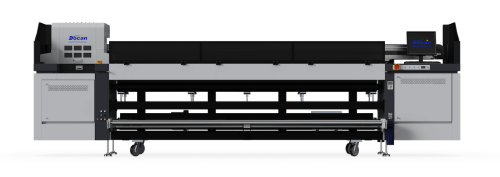
|
Docan UV S3200 | Kyocera, Ricoh and Konica Printhead Options | Review |
FAQ (Frequently Asked Questions)
1. Can UV printing be applied to every surface?
It can be applied to many surfaces, but some surfaces may require pre-treatment. UV DTF, on the other hand, offers a wider range of use due to its surface independence.
2. Is UV DTF or classic UV printing more durable?
Classic UV printing is more durable, especially on architectural and industrial surfaces. UV DTF, on the other hand, provides practicality and flexibility for personal products.
3. Is UV printing a sustainable technology?
Yes. It is an environmentally friendly solution due to its lack of solvent content, low energy consumption, and minimal waste rate.
4. Which printing method is more suitable for short-run production?
Both UV printing and UV DTF are highly suitable for short runs. UV DTF can be more economical for personal products.
5. Why is UV printing preferred in architecture?
Because it offers high durability, color vibrancy, and unlimited design freedom on surfaces such as glass, wood, metal, and ceramic.