


Flatbed UV Digital Printing Machine Ricoh Gen6 / Epson i3200-U1

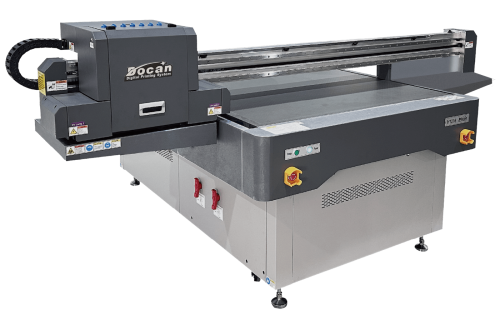
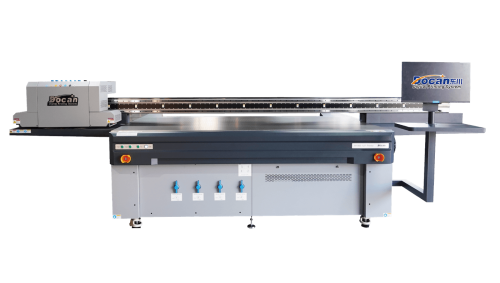
Docan H1216
Flatbed UV Digital Printing Machine Ricoh Gen6 / Epson i3200-U1Faltbed Printing Size 120x160 It provides the opportunity to print on all kinds of hard and soft surfaces, Glass, Acrylic,…
Discover
Flatbed UV Digital Printing Machine Ricoh Gen6 / Epson i3200-U1
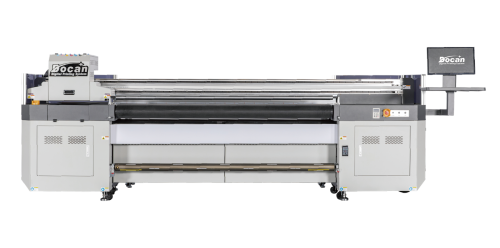
Docan UV FR2010
Industrial Hybrid UV Printing MachineUnlimited Possibilities with High Precision and Quality
FR2010 offers superior performance on both plate and roll materials, can print high…
Discover
Industrial Hybrid UV Printing Machine
Docan UV H1000
Flatbed UV Digital Printing Machine Kyocera, RicohA New Era in Flatbed Printing
H1000 offers high precision and quality direct printing solutions on materials such as glass,…
Discover
Flatbed UV Digital Printing Machine Kyocera, Ricoh
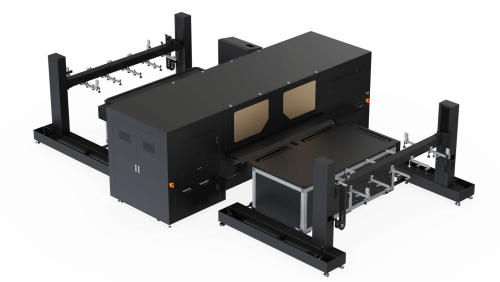
Docan UV Pro W2525
Industrial Hybrid UV Printing MachineSuperior Hardware and Software Performance
Realize industrial automation digital printing. Centrally adjust various production parameters with integrated control panel. Special…
Discover
Industrial Hybrid UV Printing Machine
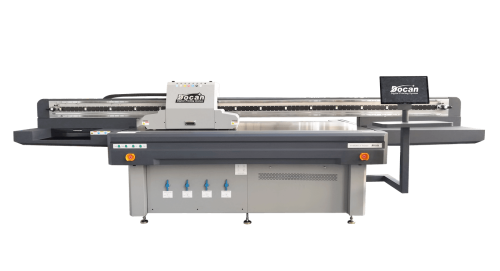
Docan UV H1600M
Flatbed UV Digital Printing Machine Kyocera, RicohDOCAN H1600M -Kyocera, Ricoh Printheads
Faltbed Print Size 250x122 Provides the opportunity to print on all kinds of hard and…
Discover
Flatbed UV Digital Printing Machine Kyocera, Ricoh
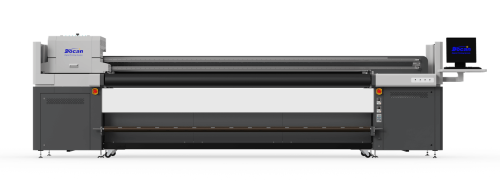
Docan UV FR3200
Hybrid UV Printing MachineClassic Model High Precision UV Roll Printer
3.2 meters printing width, perfect wide format, versatile application solutions, perfect printing effects…
Discover
Hybrid UV Printing Machine
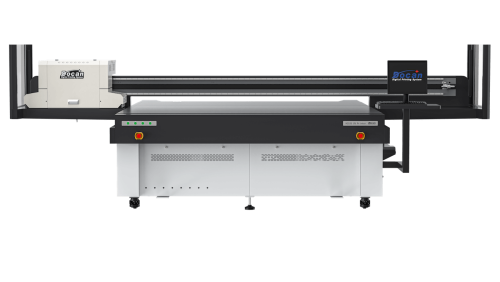
Docan UV H2525
Flatbed UV Digital Printing MachineHigh-Efficiency UV Flatbed Printing Solution
H2525 improves production efficiency with 2.5m*2.5m printing size, innovative A/B surface cyclic printing technology and…
Discover
Flatbed UV Digital Printing Machine
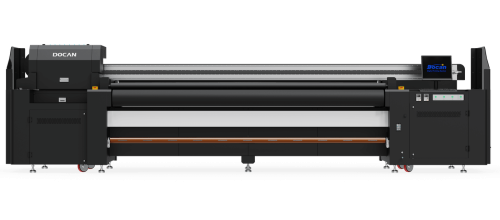
Docan UV FR3210
Hybrid UV Printing MachineVersatile Options, Practical Printing
With both roll and sheet UV printing feature, FR3210 can print on flexible materials such as…
Discover
Hybrid UV Printing Machine
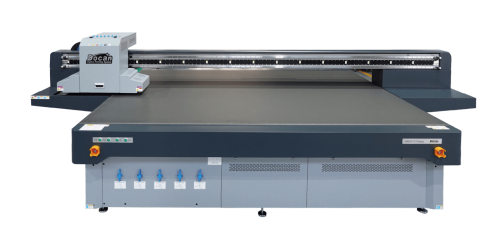
Docan UV H3220
Industrial UV Flatbed Printer3.2 Meters Large Format Printing High Performance
H3220 large format flatbed printer offers flexible printing solutions with precision engineering and…
Discover
Industrial UV Flatbed Printer
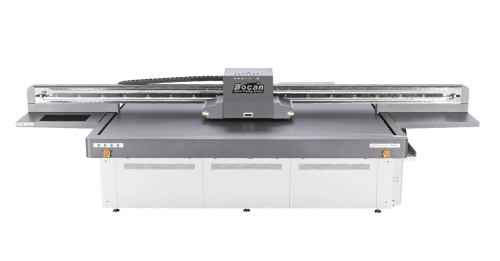
Docan UV H3000
Large Size Digital UV Printing MachineMeet Your Industrial Production Needs with 3.2 Meter Large Format
The H3000 body is manufactured with integral welding technology, solid…
Discover
Large Size Digital UV Printing Machine
Glass Application Examples
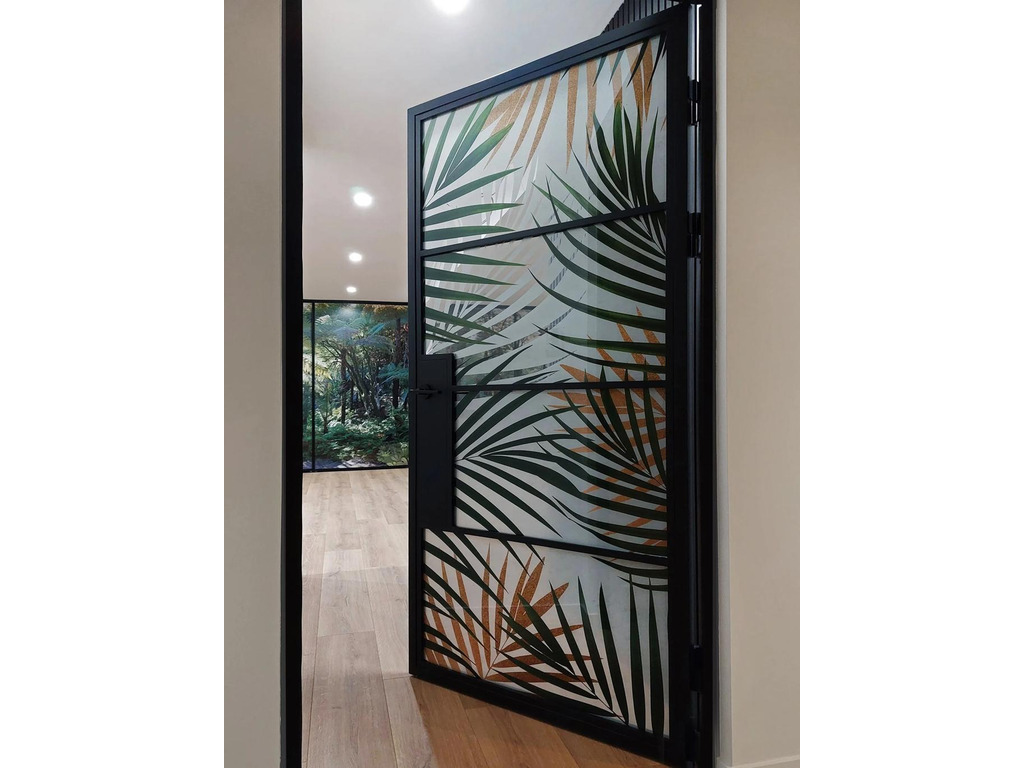
Leaf Patterned Glass Door Printing
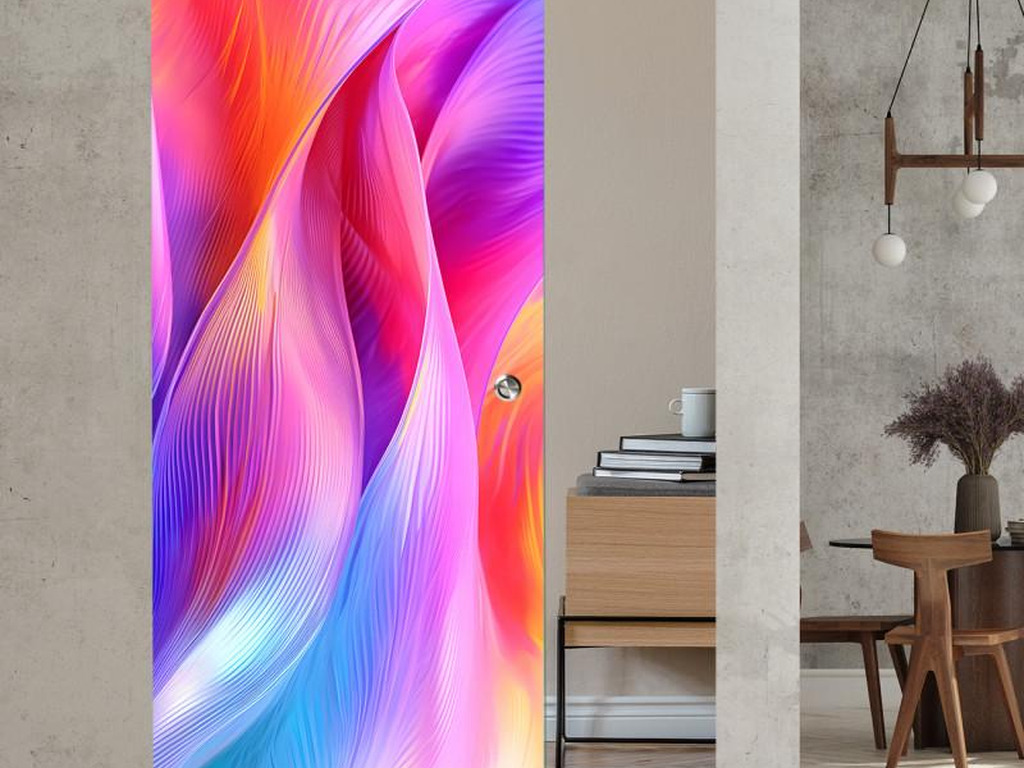
Colour Patterned Sliding Glass Door Print
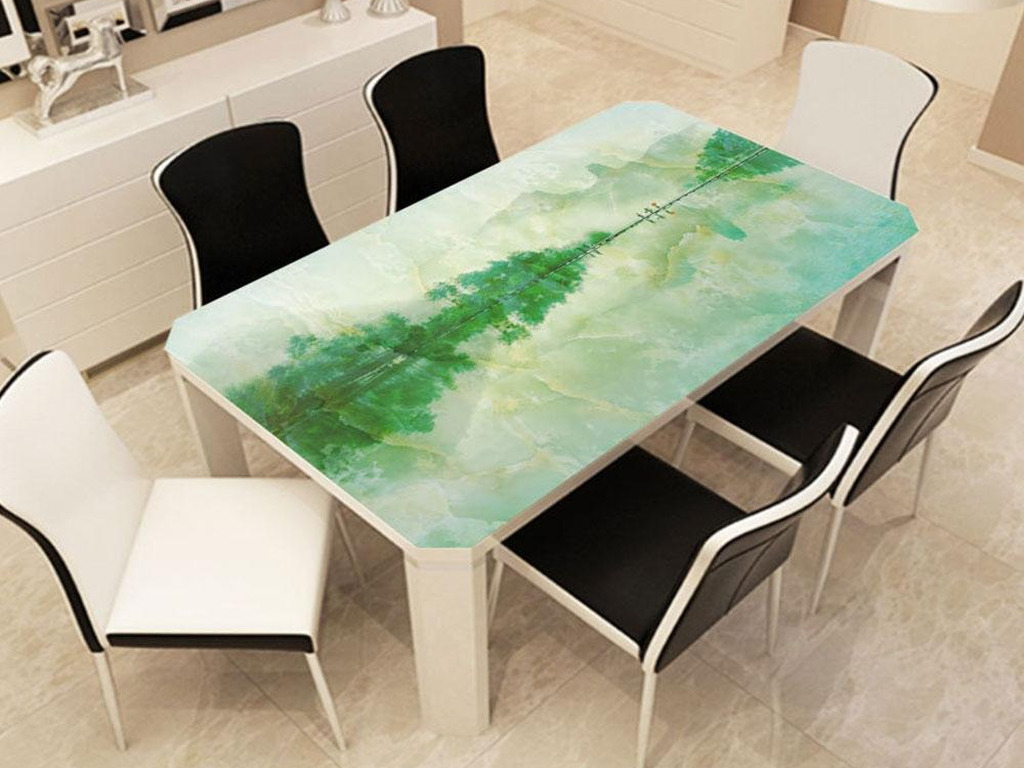
Printing on Glass Dining Table Top
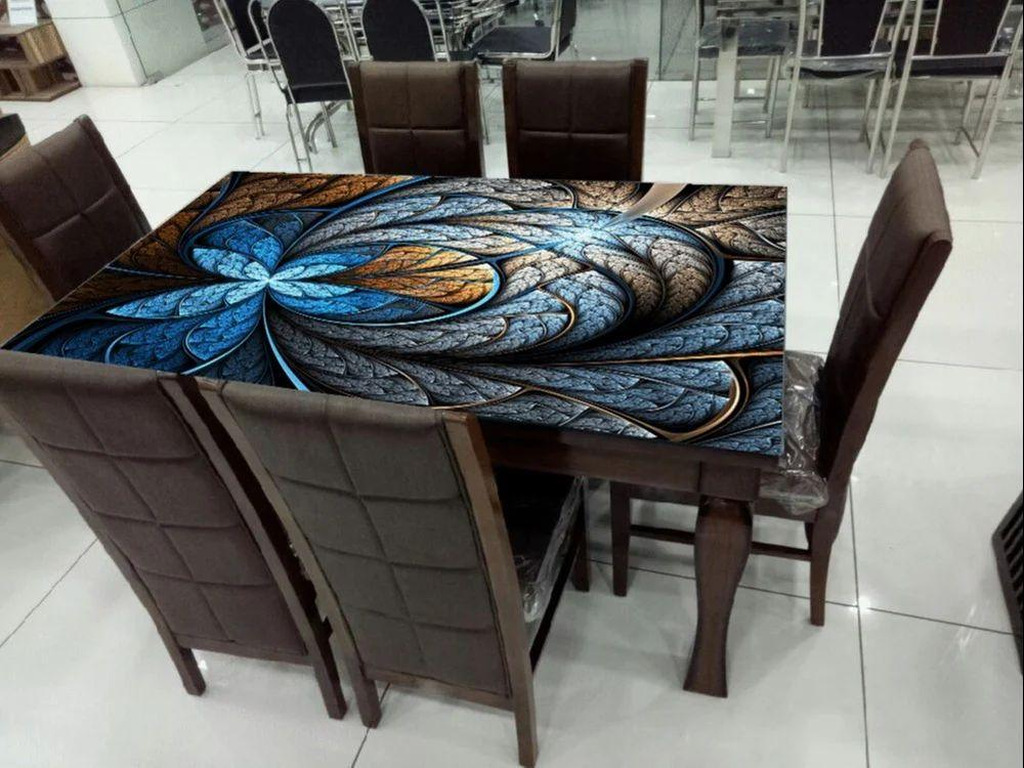
Patterned Glass Table Top Printing
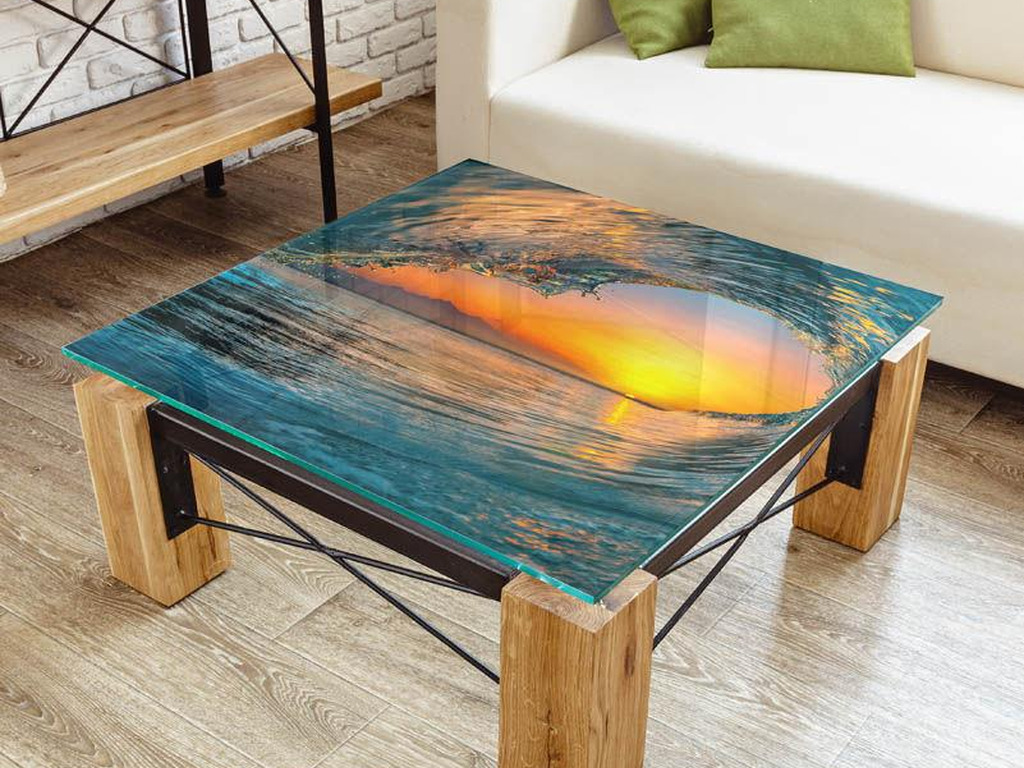
Sea Themed Glass Coffee Table Print
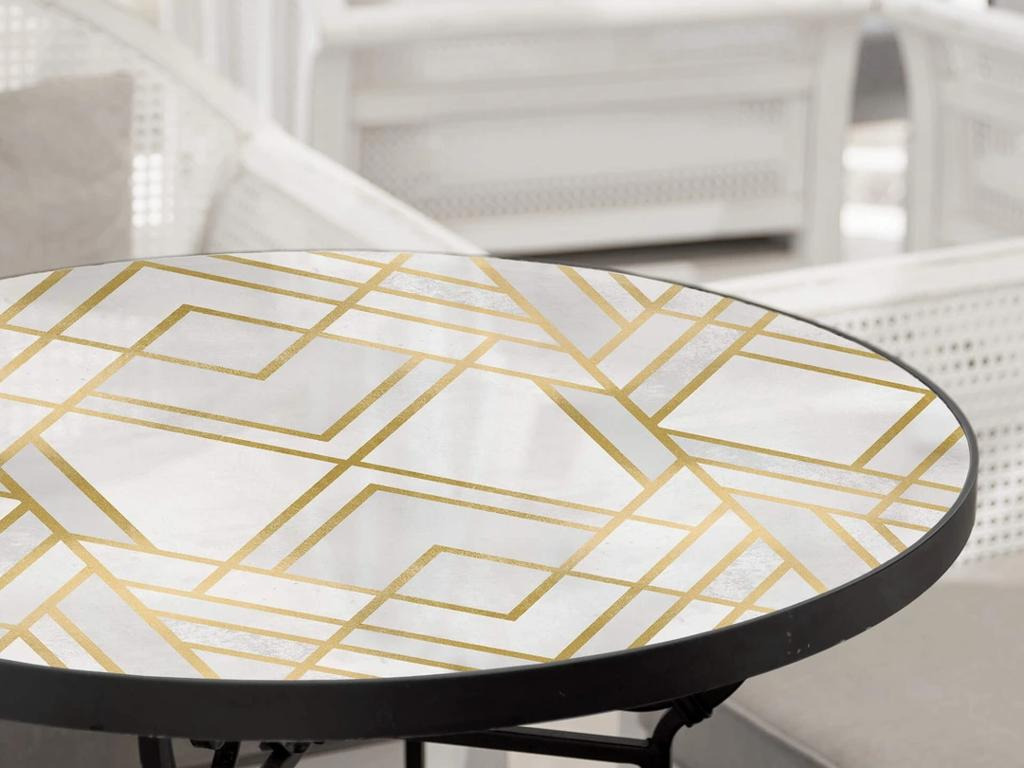
Geometric Patterned Glass Table Print
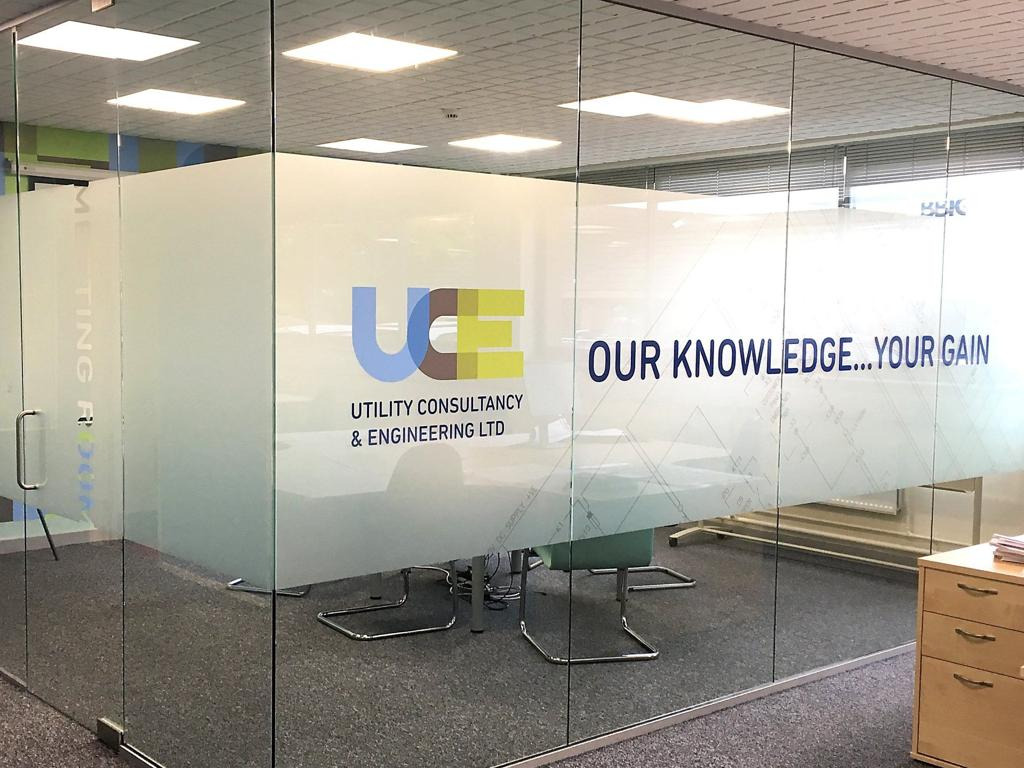
Office Glass Partition Frosted Film Application
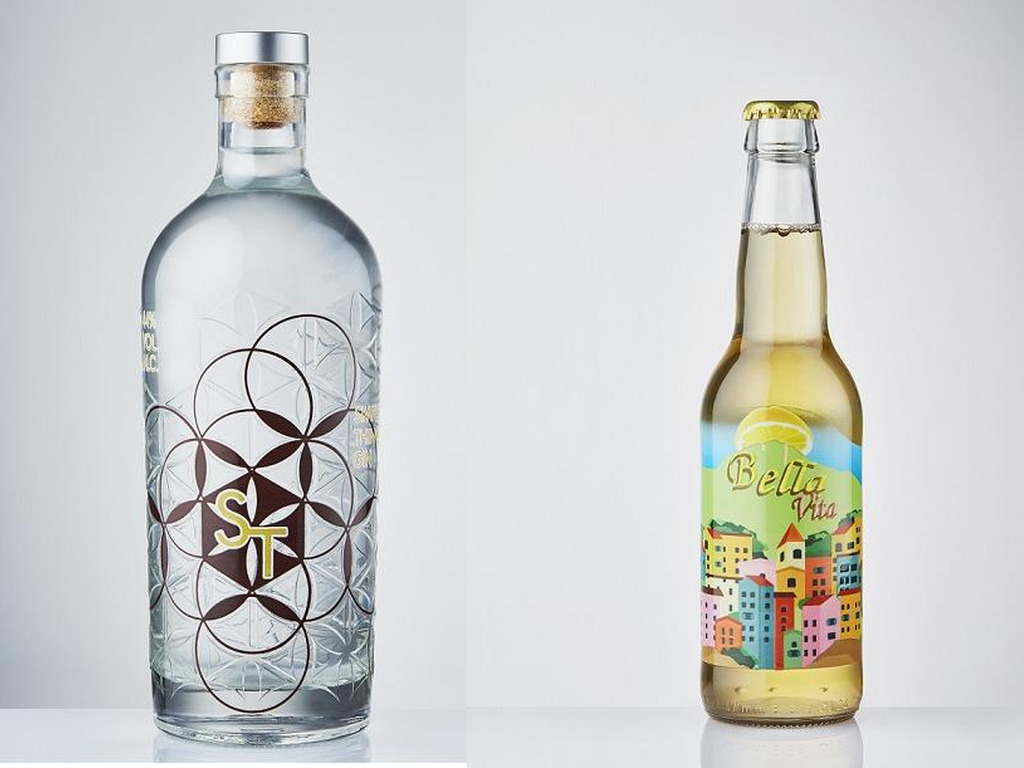
Printing on Glass Bottle
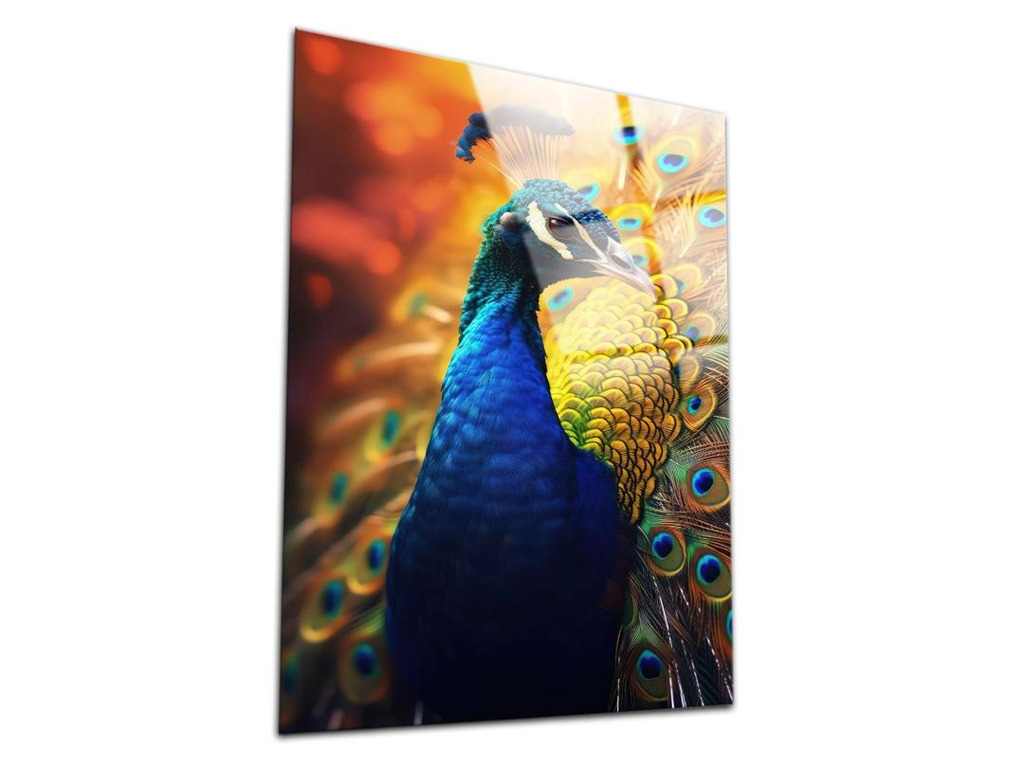
Peacock Wall Art Printed on Glass
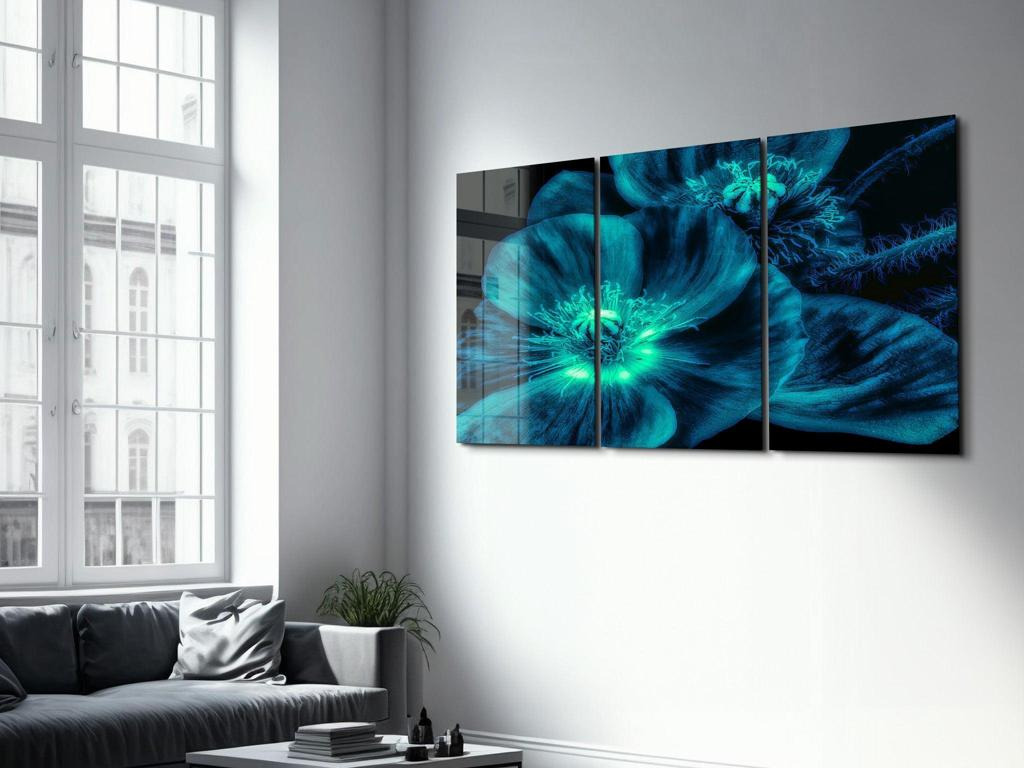
Three Panel Glass Wall Art Print
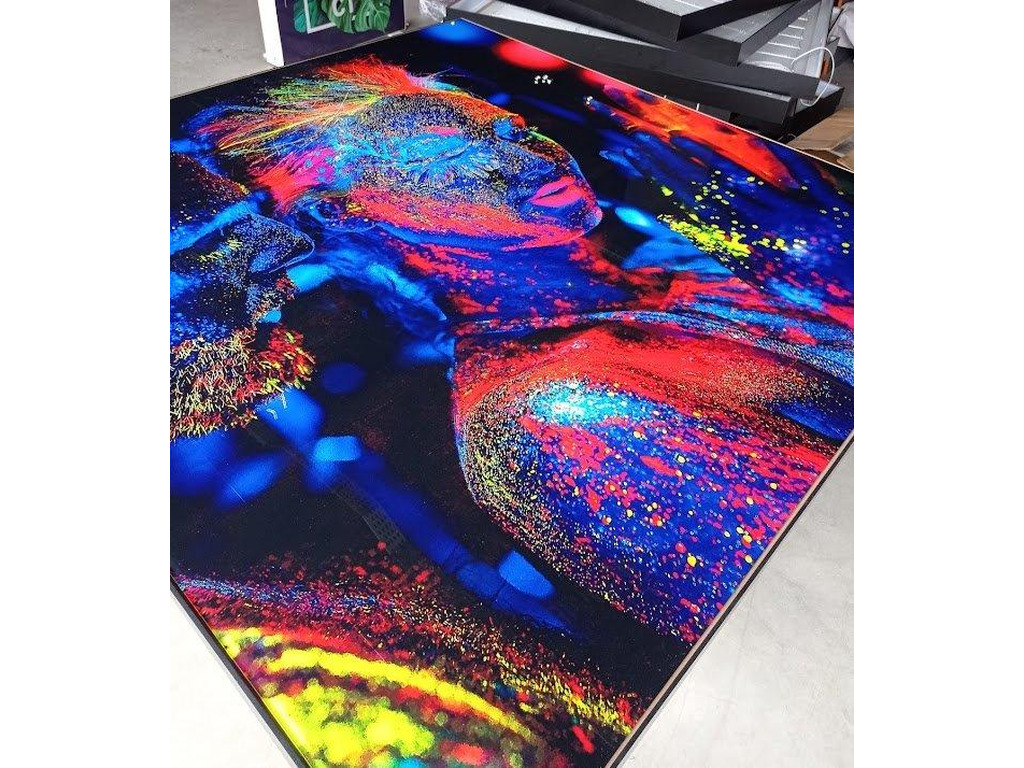
Abstract Wall Art Printed on Glass
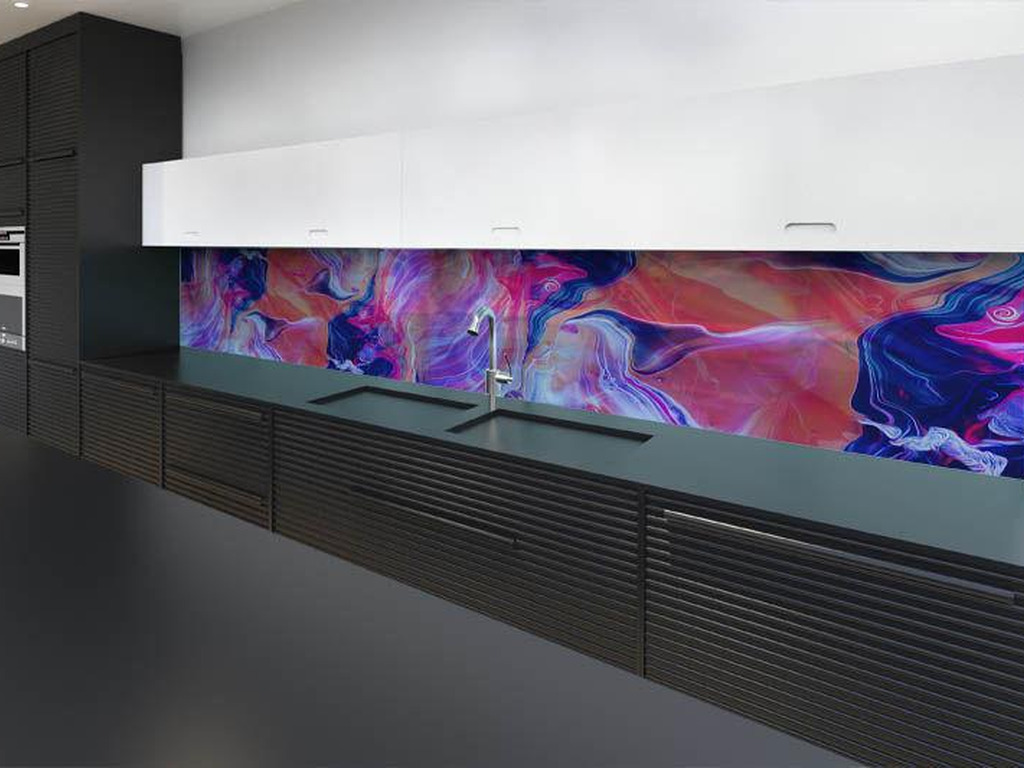
Kitchen Backsplash Glass Printing
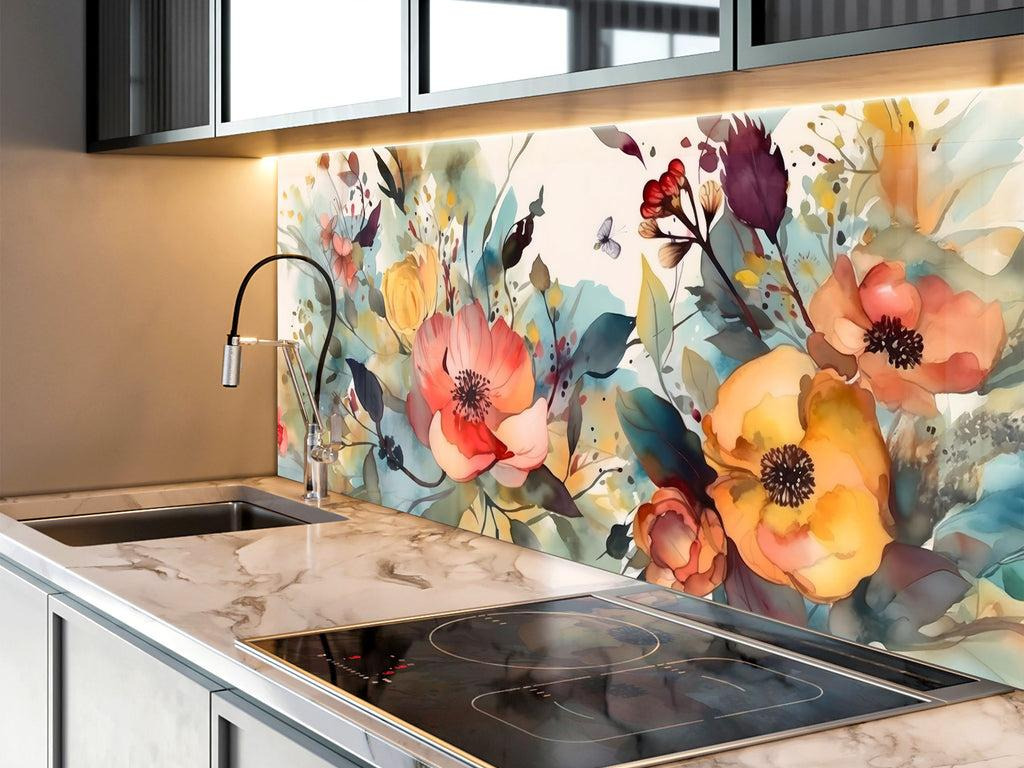
Floral Patterned Backsplash Glass Panel
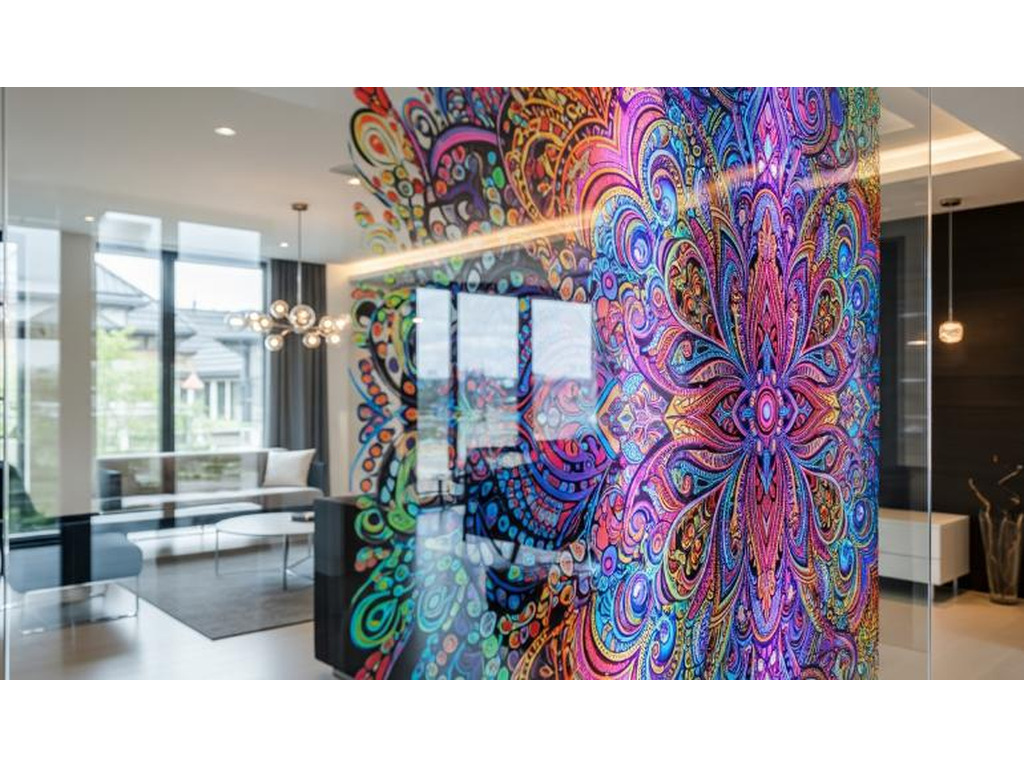
Mandala Patterned Glass Partition Print
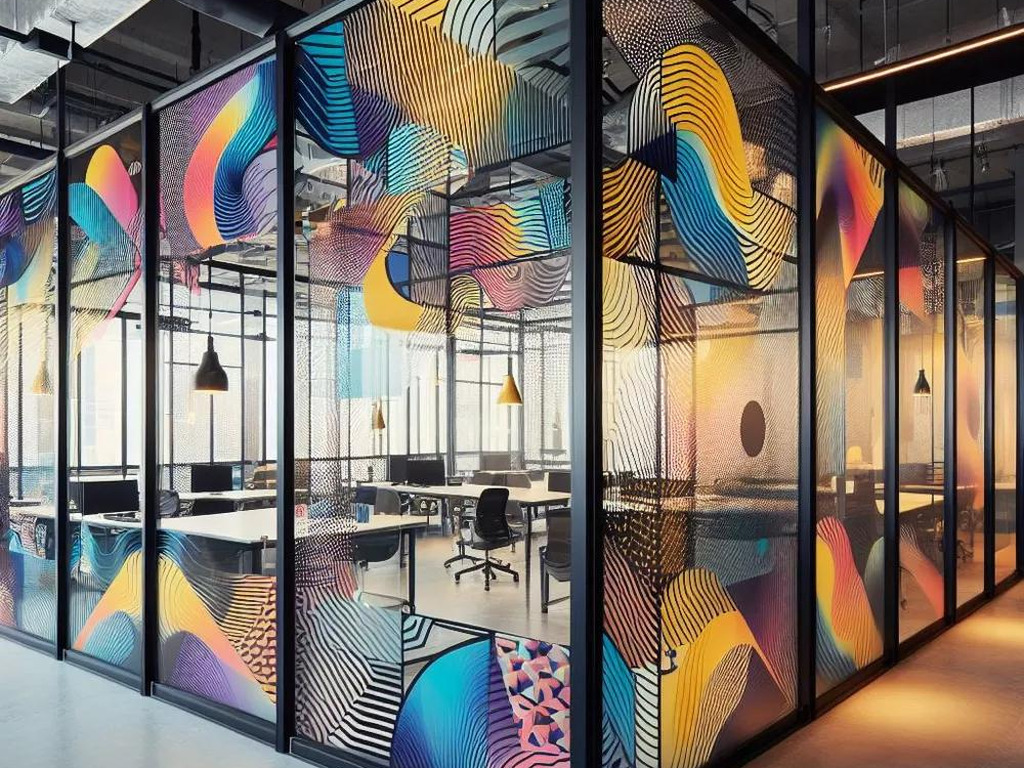
Office Glass Partition Coloured Film Application
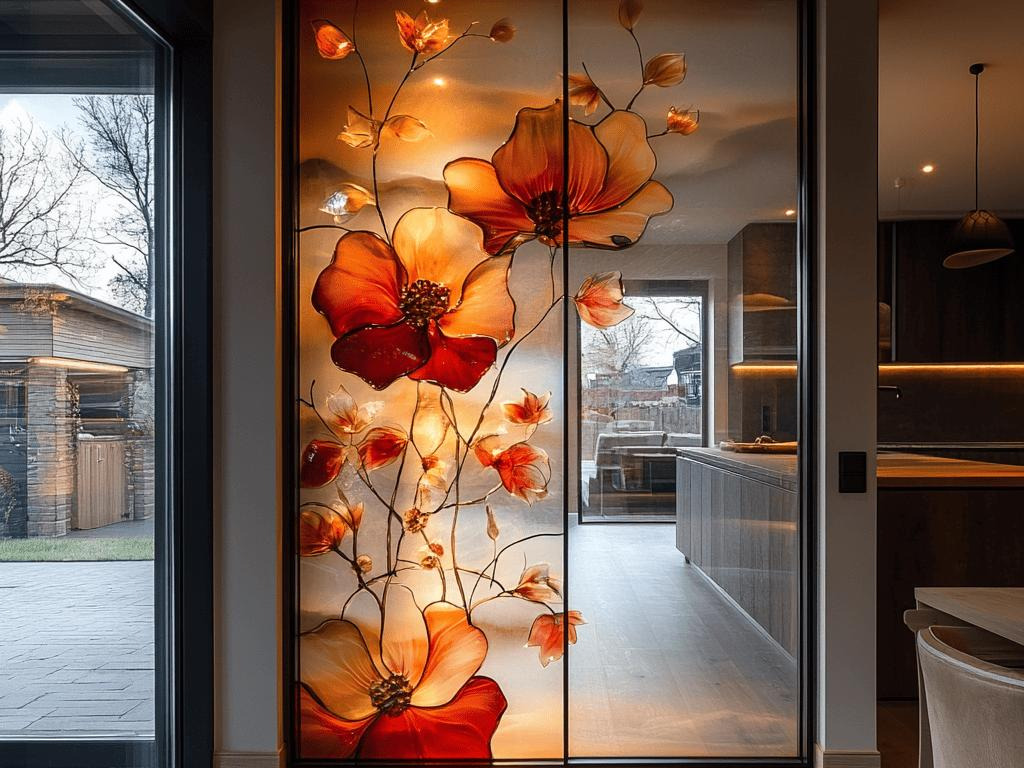
Floral Patterned Glass Door Printing
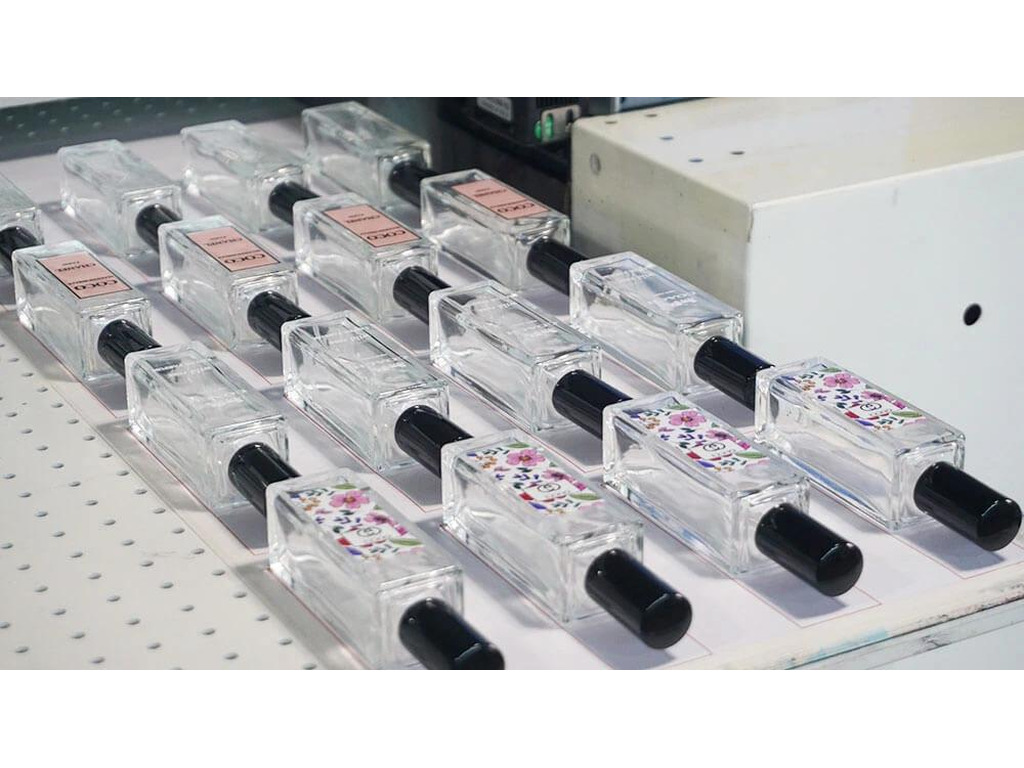
Digital Printing Application on Bottles
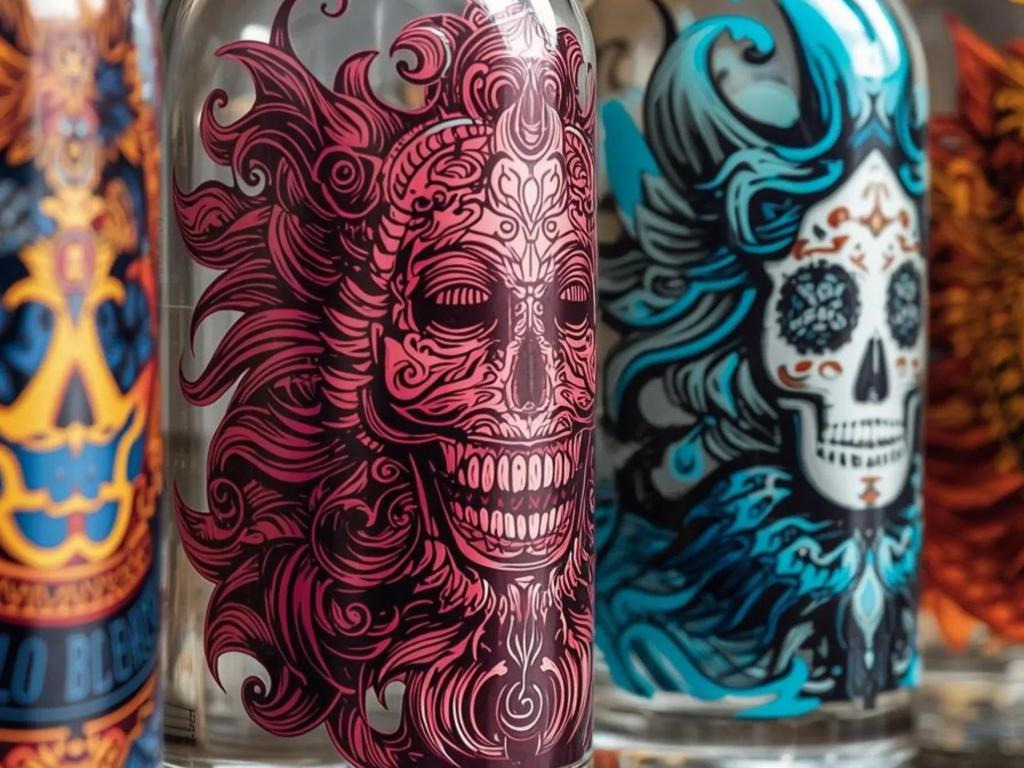
Decorative Printing on Glass Bottle
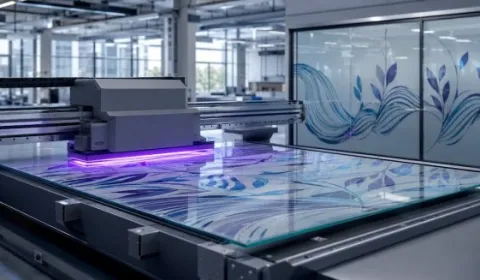
Printing on glass was for many years handled with vinyl film application or screen printing. Both had limits: film lifts at the edges over time, and screen printing required a separate screen per colour, making single-unit and multi-colour jobs uneconomical. UV printing removed both constraints by applying the image directly to the glass surface.
The key to success on glass is surface preparation and adhesion. Glass is non-absorbent; the ink cannot soak in, it cures and bonds on top. Primer use, surface cleanliness and correct curing settings are therefore the three factors that determine how long the job lasts.
Applications of digital printing on glass
Office partitions and screens
Patterns that partly retain transparency provide visual privacy in open-plan offices without blocking light. Frosted-effect prints are the digital and reversible alternative to sandblasting.
Kitchen and bathroom panels
On splashback glass panels the print is applied to the reverse face, leaving the working surface completely flat. The image is therefore not directly exposed to cleaning and abrasion.
Architectural and decorative applications
Facade glass, lift cladding and decorative panels require large single-piece prints. Here the machine's table size directly determines whether the job has to be split.
Choosing a machine for glass printing
Because glass is printed lying flat on a fixed table, the natural fit is flatbed UV printing machines. Table size determines the largest glass dimension you can print, making it the first technical value to check when selecting a machine.
For how UV technology and curing work in general, see our UV printing machines guide.
Frequently Asked Questions About Digital Printing on Glass
1. Can the image printed on glass be scratched off?
With the right primer and full curing the ink bonds strongly and will not scratch off in normal use. On surfaces with constant mechanical contact, printing on the reverse face of the glass is preferred.
2. Is white ink needed when printing on clear glass?
A white underbase is usually applied so colours do not blend with the background seen through the glass. For deliberately translucent effects such as frosting, white may be omitted.
3. Can tempered glass be printed?
Yes, but tempering must be completed before printing. If printed glass is tempered afterwards, the high temperature will damage the ink.
4. Which face of the glass should be printed?
If the working surface is touched, the reverse face is preferred; the image reads through the glass and the front stays flat. For decorative applications without contact, front-face printing is also suitable.