
Double Sided Textile Printing Machine
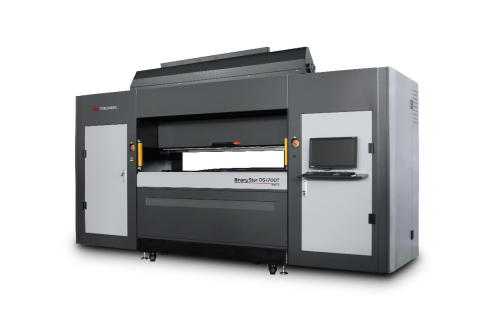
Yaselan Binary Star S10
Double Sided Textile Printing MachineVarious Printhead Layout Modes
Supports C M Y K / C M Y K LC LM O B (FM,FY) 8…
Discover
Double Sided Textile Printing Machine
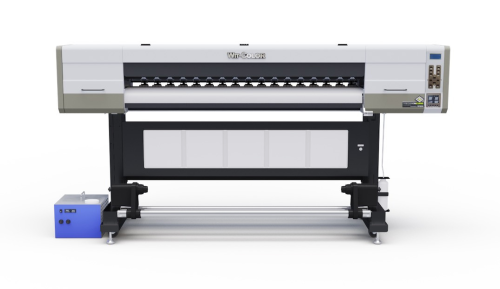
UV Ultra i3200 1702
Roll to Roll UV 1.6m Epson i3200 1702UVWit-Color Latest Multicolor Digital R2R UV Printer Ultra i3200 1702
Print Width: 1.6m
Print Head: Epson i3200
Print Head Quantity:…
Discover
Roll to Roll UV 1.6m Epson i3200 1702UV

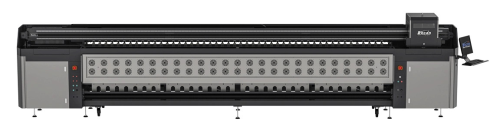
Docan UV S5300
High Precision Solvent Printing Machine5.3 Meter Super Wide Format Printer
The S5300 efficiently meets the needs of large areas with its 5.3m printing width,…
Discover
High Precision Solvent Printing Machine
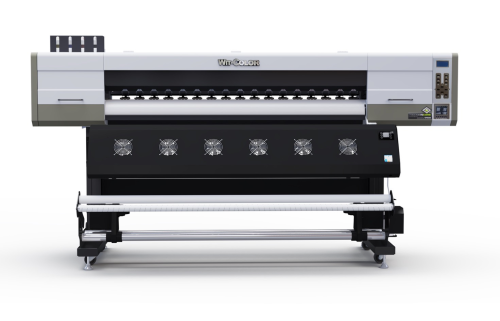
Ultra i3200 1702
Sublimation 1.6m Epson i3200 1702DSWit-Color Ultra Ultra i3200 1702 TP 1.6m Transfer Paper Printer with i3200 Printheads
Print Width: 1.6m
Printhead: Epson i3200
Printhead…
Discover
Sublimation 1.6m Epson i3200 1702DS
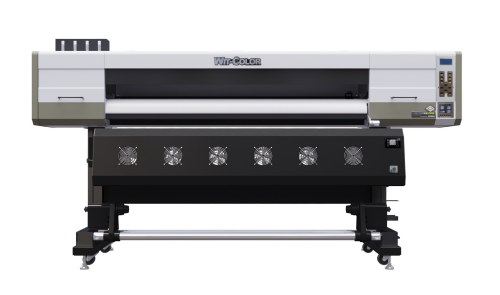
Ultra i3200 1701/2
Eco-solvent 1.6m Epson i3200 1702sWit-Color Eco-Solvent Brand Poster and Canvas Printing Machine Ultra i3200 1702s
Print Width: 1.7 m
Print Head: Epson i3200
Print…
Discover
Eco-solvent 1.6m Epson i3200 1702s

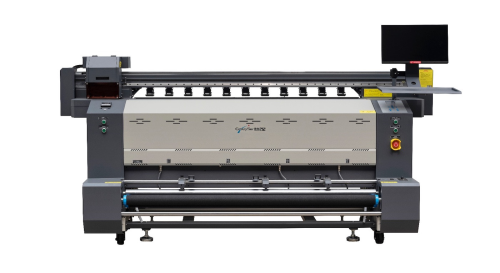
CenturyStar CSP-1600
Century Star 1.60 Flag Printing Machine
Larger print format for higher production efficiency
Precise heating system ensures constant temperature in the entire format
Magnetic raster provides…
Discover
Century Star 1.60 Flag Printing Machine
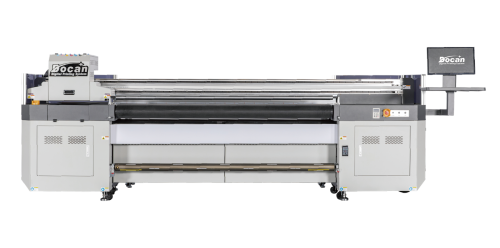
Docan UV FR2010
Industrial Hybrid UV Printing MachineUnlimited Possibilities with High Precision and Quality
FR2010 offers superior performance on both plate and roll materials, can print high…
Discover
Industrial Hybrid UV Printing Machine
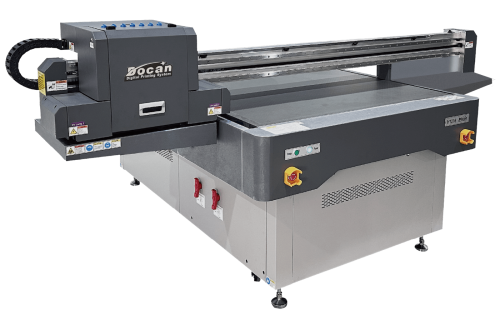
Docan H1216
Flatbed UV Digital Printing Machine Ricoh Gen6 / Epson i3200-U1Faltbed Printing Size 120x160 It provides the opportunity to print on all kinds of hard and soft surfaces, Glass, Acrylic,…
Discover
Flatbed UV Digital Printing Machine Ricoh Gen6 / Epson i3200-U1

Ultra Star 3306
3.20m Solvent Printing MachineWit-Color Ultra Star 3306 Digital Solvent Printer (Linear Motor)
Over 10 hours of continuous operation – requires no special maintenance.…
Discover
3.20m Solvent Printing Machine
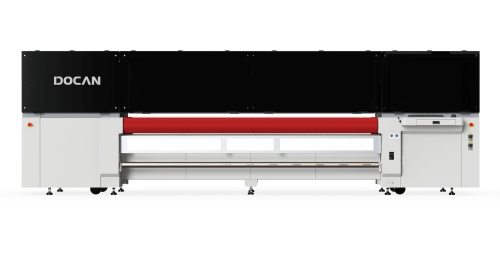
Docan UV C3200
Industrial Hybrid UV Printing MachineNew Flagship Model - High Precision, Efficiency and Capacity
C3200 hybrid machine meets your various printing needs, easily adapts to…
Discover
Industrial Hybrid UV Printing Machine
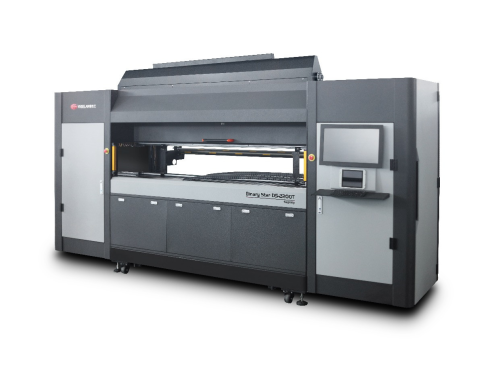
Yaselan Binary Star DS-2200
Double Sided Textile Printing MachineSuperior Performance with Advanced Printing Solutions
Binary Star DS-2200T is a double-sided synchronized digital printing machine equipped with Epson i3200-A1…
Discover
Double Sided Textile Printing Machine
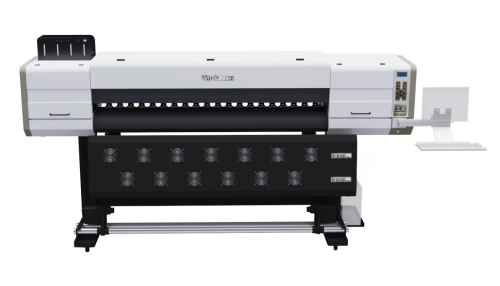
Ultra i3200 1902/4
Eco-Solvent 1.8m Epson i3200 1904sWit-Color Eco-Solvent Latest Multicolor Digital Label Press Ultra i3200 1904
Print Width: 1.8m
Print Head: Epson i3200
Print Head Quantity:…
Discover
Eco-Solvent 1.8m Epson i3200 1904s
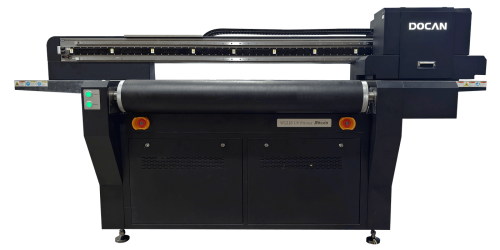
Docan UV W1216
Roll to Roll UV Printing MachineAI Visual Auto-positioning - Print While Scanning, Higher Efficiency
W1216 bids farewell to printing patterns by using the latest visual…
Discover
Roll to Roll UV Printing Machine
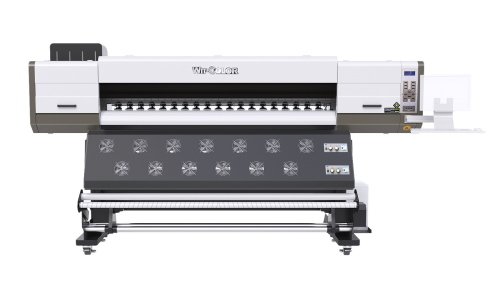
Ultra i3200 1904TP
Sublimation 1.8m Epson i3200 1904DSWit-Color Transfer Paper Printer Ultra i3200 1904TP Sublimation Ink EPSON
Print Width: 1.8 m
Print Head: Epson i3200
Print Head…
Discover
Sublimation 1.8m Epson i3200 1904DS
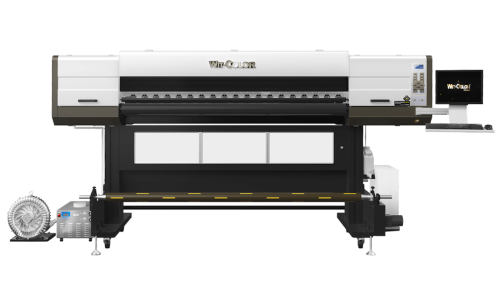
Ultra i3200 2003 UV
Roll to Roll 1.9m Belt UV Epson i3200 2004UVWit-Color UV Mesh Belt Printer Ultra i3200 2004 EPSON
Print Width: 1.9 m
Print Head: Epson i3200
Print Head…
Discover
Roll to Roll 1.9m Belt UV Epson i3200 2004UV
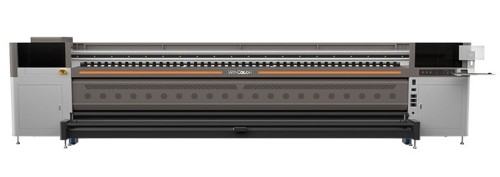
Ultra Star 5306
5.20m Solvent Printing MachineWit-Color Ultra Star 5306 5.3-Meter Large Format Solvent Printer (Linear Motor)
5.3-meter solvent printer – designed for industrial-scale large-format printing…
Discover
5.20m Solvent Printing Machine
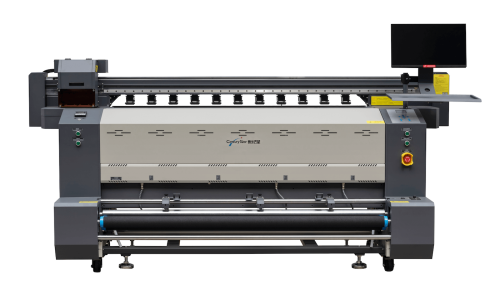
CenturyStar CSP-2100
Century Star 2.10 Flag Printing Machine
Larger print format for higher production efficiency
Precise heating system ensures constant temperature in the entire format
Magnetic raster provides…
Discover
Century Star 2.10 Flag Printing Machine
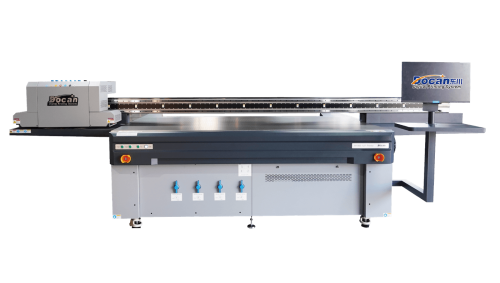
Docan UV H1000
Flatbed UV Digital Printing Machine Kyocera, RicohA New Era in Flatbed Printing
H1000 offers high precision and quality direct printing solutions on materials such as glass,…
Discover
Flatbed UV Digital Printing Machine Kyocera, Ricoh
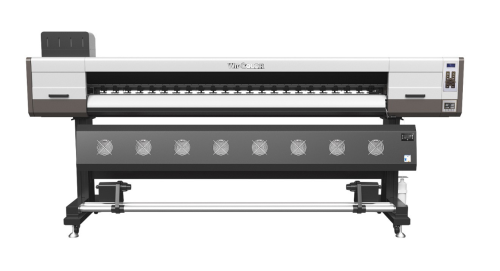
Ultra i3200 2401/2
Eco-Solvent 2.2m Epson i3200 2402Wit-Color Eco-Solvent Latest Multicolor Digital Label Press Ultra i3200 2402
Print Width: 2.3m
Print Head: Epson i3200
Print Head Quantity:…
Discover
Eco-Solvent 2.2m Epson i3200 2402
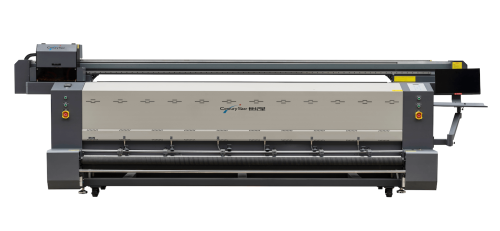
CenturyStar CSP-3200
Century Star 3.20 Flag Printing Machine
Capacity to print up to 320 cm wide
High speed and resolution with a total of 8 Epson i3200 print…
Discover
Century Star 3.20 Flag Printing Machine
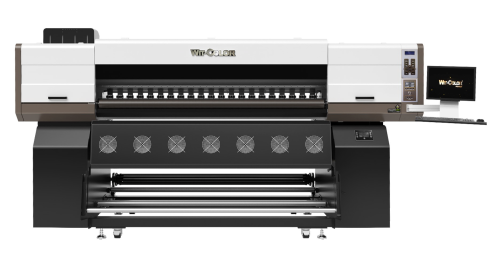
Ultra i3200 1908TP
Sublimation 1.8m Epson i3200 1908DSWit-Color Transfer Paper Printer Ultra i3200 1908TP
Print Width:1.8m
Print Head: Epson i3200
Print Head Quantity: 4pcs
Inks: Sublimation
RIP…
Discover
Sublimation 1.8m Epson i3200 1908DS
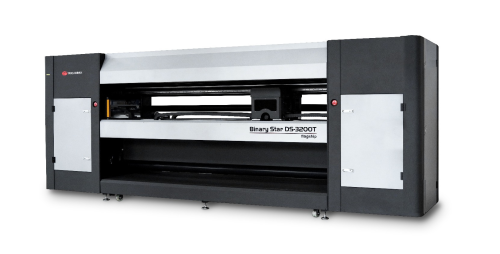
Yaselan Binary Star DS-3200T
Double Sided Textile Printing MachineDifferent Printhead Combination Modes
C M Y K / C M Y K LC LM / C M Y K…
Discover
Double Sided Textile Printing Machine
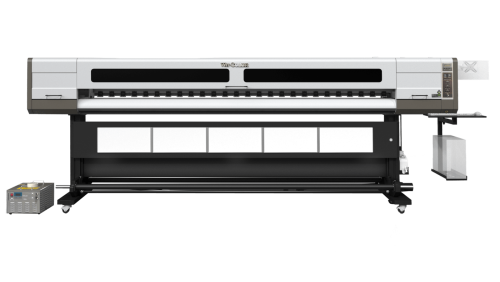
Ultra i3200 3302
Roll to Roll 3.2 Epson i3304UVWit-Color Multicolor Digital UV Printer Ultra i3200 3304-DMFT
Print Width: 3.2m
Print Head: Epson i3200
Print Head Quantity: 4…
Discover
Roll to Roll 3.2 Epson i3304UV
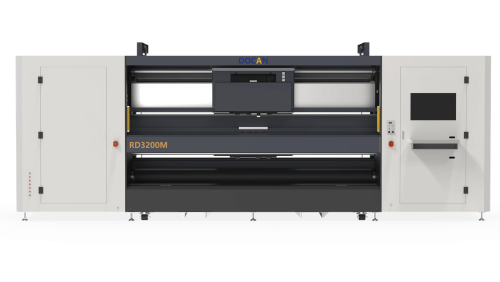
Docan UV RD3200
Roll to Roll UV Double-sided Printing MachineNew Release High Precision Double-Sided Printing Machine
DOCAN's new double-sided double-printing integrated device offers double-sided simultaneous printing, precise alignment, palm…
Discover
Roll to Roll UV Double-sided Printing Machine
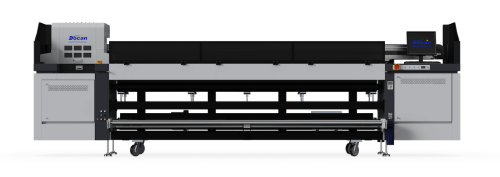
Docan UV S3200
Kyocera, Ricoh and Konica Printhead Options3.20 mt. wide. All kinds of flexible materials can be printed. It uses environmentally friendly UV inks, It never embarrasses…
Discover
Kyocera, Ricoh and Konica Printhead Options
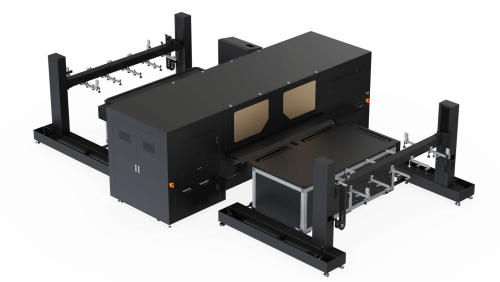
Docan UV Pro W2525
Industrial Hybrid UV Printing MachineSuperior Hardware and Software Performance
Realize industrial automation digital printing. Centrally adjust various production parameters with integrated control panel. Special…
Discover
Industrial Hybrid UV Printing Machine
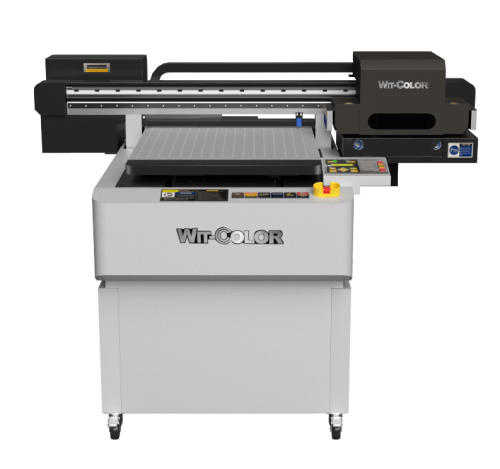
UVIP 6090
Flatbed UV Printing Machine 6090Wit-Color Multicolor Digital UV Printer UVIP Epson 6090
Print Width: 0.6m*0.9m
Print Head: Epson i3200
Print Head Quantity: 3/4 pieces…
Discover
Flatbed UV Printing Machine 6090
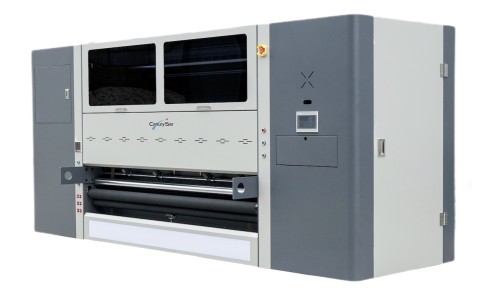
Double-Sided Flag Printing Machine 1.6m
CenturyStar CSP-DS1600
Advanced Printing Platform to Avoid Flying Ink
Controlled by the Hoson system, the printing platform has a 45-degree slope and…
Discover
CenturyStar CSP-DS1600
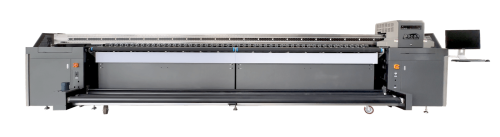
Docan UV Eco U5300
Industrial Roll to Roll UV Printing Machine5.2 Meter Super Wide UV Roller Machine
U5300 provides high precision, high quality direct printing with precision engineering and intelligent…
Discover
Industrial Roll to Roll UV Printing Machine
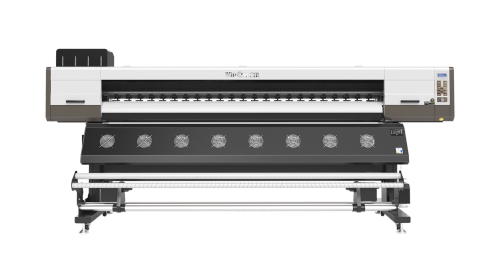
Ultra i3200 2402TP
Sublimation 2.2m Epson i3200 2402DSWit-Color Transfer Paper Printer Ultra i3200 2402TP Sublimation Ink EPSON
Print Width: 2.3m
Print Head: Epson i3200
Print Head Quantity:…
Discover
Sublimation 2.2m Epson i3200 2402DS
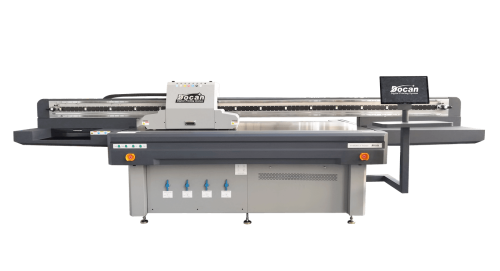
Docan UV H1600M
Flatbed UV Digital Printing Machine Kyocera, RicohDOCAN H1600M -Kyocera, Ricoh Printheads
Faltbed Print Size 250x122 Provides the opportunity to print on all kinds of hard and…
Discover
Flatbed UV Digital Printing Machine Kyocera, Ricoh
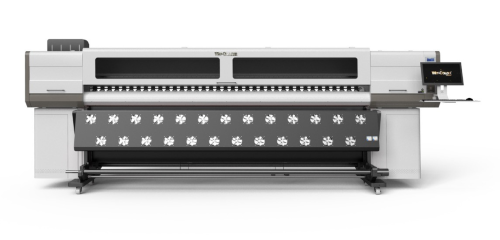
Ultra i3200 3302/4
Eco-Solvent 3.2m Epson i3200 3304Wit-Color Eco-Solvent Latest Multicolor Digital Label Press Ultra i3200 3302/4 (Standard)
Print Width: 3.3m
Print Head: Epson i3200
Print Head…
Discover
Eco-Solvent 3.2m Epson i3200 3304
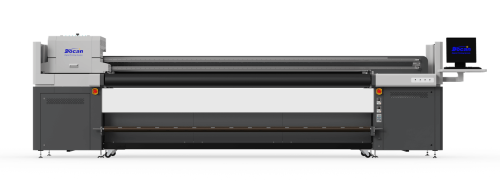
Docan UV FR3200
Hybrid UV Printing MachineClassic Model High Precision UV Roll Printer
3.2 meters printing width, perfect wide format, versatile application solutions, perfect printing effects…
Discover
Hybrid UV Printing Machine
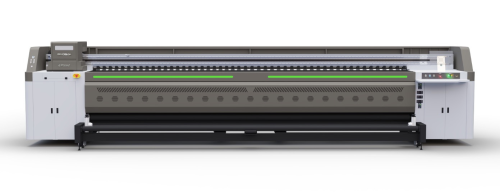
Ultra i3200 5308
Eco-Solvent 5.2m Epson i3200 5512Wit-Color Eco-Solvent Large Format Professional Printer Ultra i3200 5308 Indoor Outdoor Printer
Print Width: 5.4m
Print Head: Epson i3200
Print…
Discover
Eco-Solvent 5.2m Epson i3200 5512
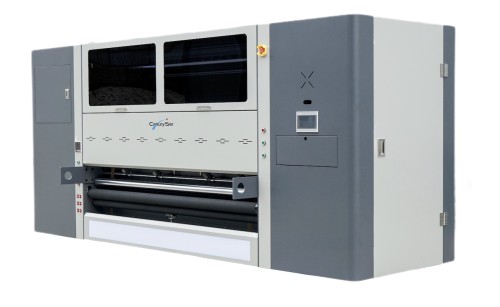
Double-Sided Flag Printing Machine 2.1m
CenturyStar CSP-DS2100
Advanced Printing Platform to Avoid Flying Ink
Controlled by the Hoson system, the printing platform has a 45-degree slope and…
Discover
CenturyStar CSP-DS2100
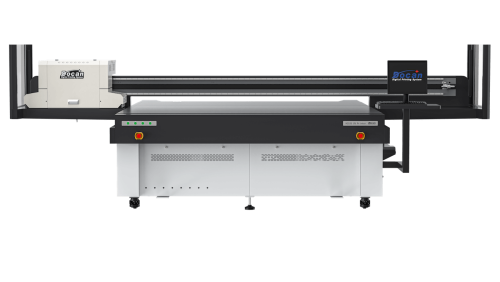
Docan UV H2525
Flatbed UV Digital Printing MachineHigh-Efficiency UV Flatbed Printing Solution
H2525 improves production efficiency with 2.5m*2.5m printing size, innovative A/B surface cyclic printing technology and…
Discover
Flatbed UV Digital Printing Machine
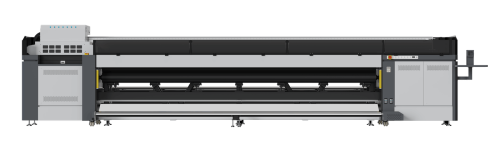
Docan UV R5200
Roll to Roll UV Printing MachineFocus on Large Format, Mature Printing Technology
R5200 inherits DOCAN's high-quality production technology. It features a fully welded body structure,…
Discover
Roll to Roll UV Printing Machine
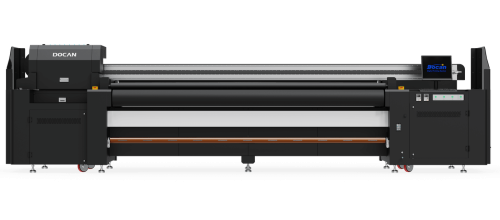
Docan UV FR3210
Hybrid UV Printing MachineVersatile Options, Practical Printing
With both roll and sheet UV printing feature, FR3210 can print on flexible materials such as…
Discover
Hybrid UV Printing Machine
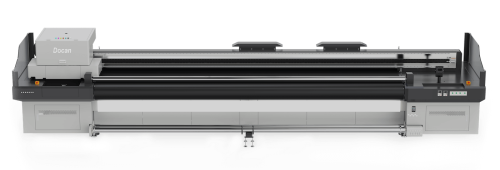
Docan UV FR5000
Hybrid UV Printing Machine5.2 Meter Super Wide Format Roll and Plate Printer
5200mm maximum print width, ideal solution for super wide format high…
Discover
Hybrid UV Printing Machine
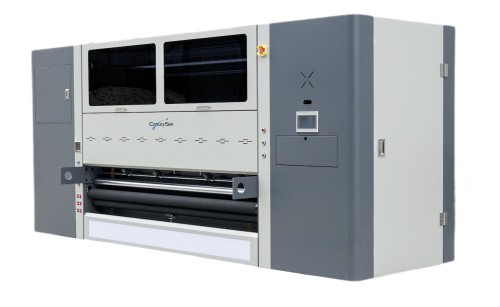
Double-Sided Flag Printing Machine 2.1m
CenturyStar CSP-DS2116
Advanced Printing Platform to Avoid Flying Ink
Controlled by the Hoson system, the printing platform has a 45-degree slope and…
Discover
CenturyStar CSP-DS2116
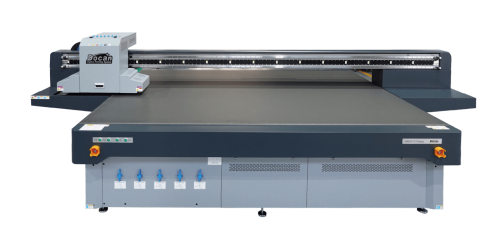
Docan UV H3220
Industrial UV Flatbed Printer3.2 Meters Large Format Printing High Performance
H3220 large format flatbed printer offers flexible printing solutions with precision engineering and…
Discover
Industrial UV Flatbed Printer
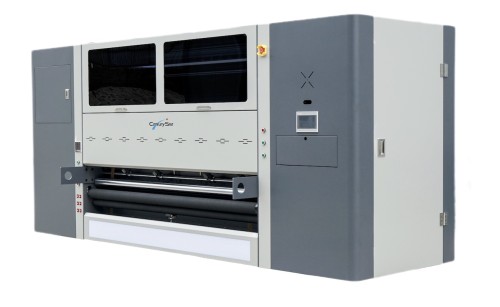
Double-Sided Flag Printing Machine 3.2m
CenturyStar CSP-DS3200
Advanced Printing Platform to Avoid Flying Ink
Controlled by the Hoson system, the printing platform has a 45-degree slope and…
Discover
CenturyStar CSP-DS3200
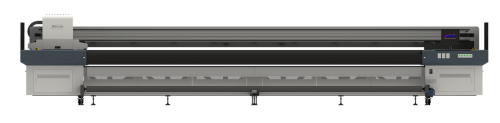
Docan UV FR6600
Industrial Hybrid UV Printing MachineNew Super Wide Format Fast Roll Printer
With its 6.6 meter super wide printing area, standard 4 rows (optional 6…
Discover
Industrial Hybrid UV Printing Machine
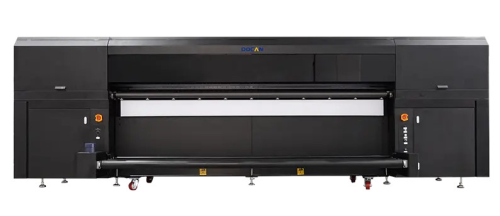
Docan UV U3300
Industrial UV Roll PrinterNew Generation Industrial UV Roller Machine
New mechanical design, linear motorized carriage movement ensures continuous working stability, uninterrupted printing with…
Discover
Industrial UV Roll Printer
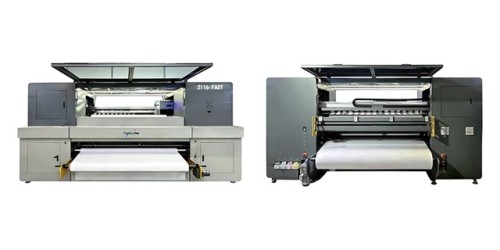
Super Speed Flag Printing Machine 2.1m
CenturyStar CSP-S2116Function and Characteristics
Daily output of 10,000 sqm, increasing production capacity
Equipped with 16 printheads; when printing in 1-pass mode…
Discover
CenturyStar CSP-S2116
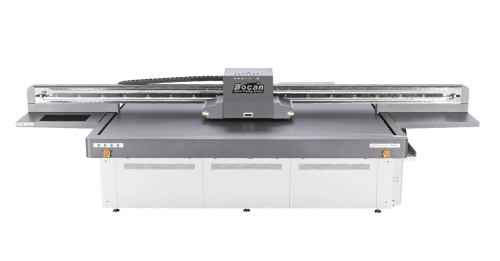
Docan UV H3000
Large Size Digital UV Printing MachineMeet Your Industrial Production Needs with 3.2 Meter Large Format
The H3000 body is manufactured with integral welding technology, solid…
Discover
Large Size Digital UV Printing Machine
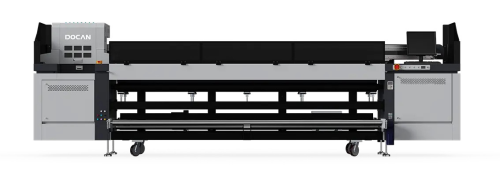
Docan UV R3200
Industrial UV Roll Printing Machine RollHigh Speed UV Roll Printer
Quality printing for roll materials, can print UV at a speed of 95m² per hour…
Discover
Industrial UV Roll Printing Machine Roll
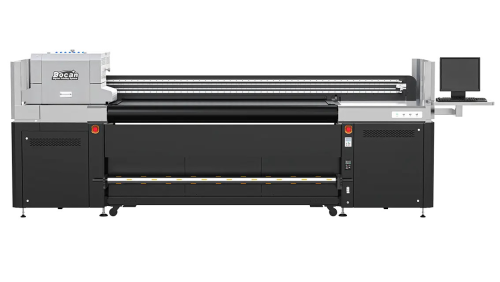
Docan UV FR2006
Roll to Roll UV Printing MachineDiscover New Productivity
2.05 meter print width, ideal solution for compact and high precision Color-White-Color production.
FR2006, new roll UV…
Discover
Roll to Roll UV Printing Machine
Advertising Application Examples
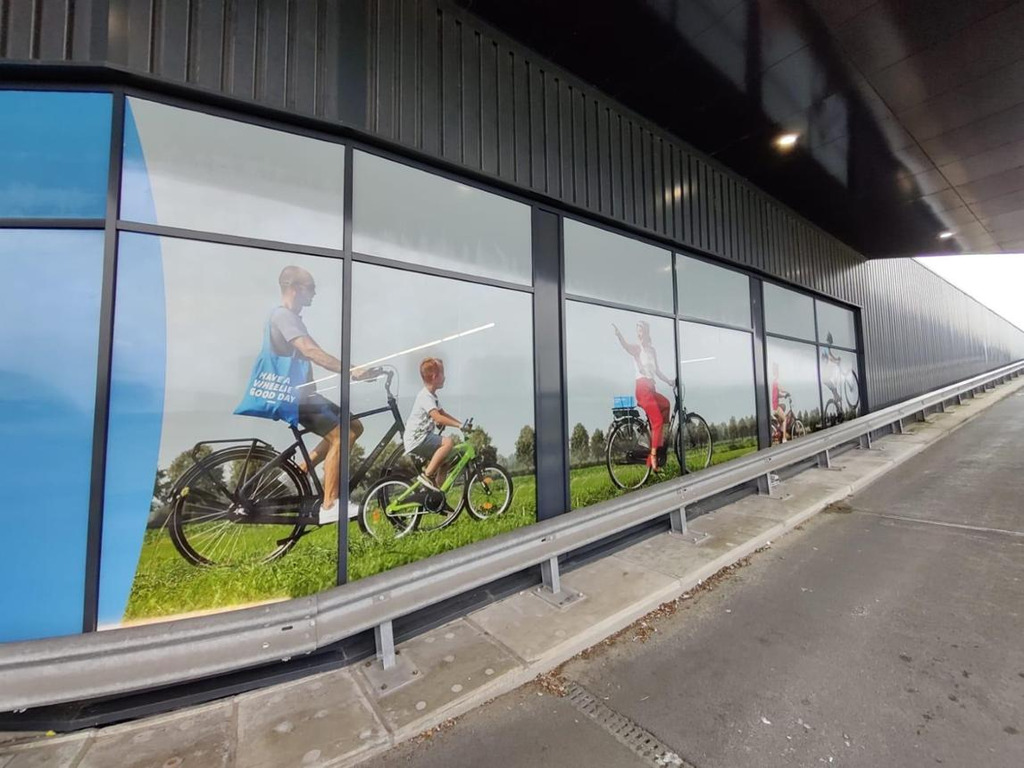
Building Glass Facade Graphics
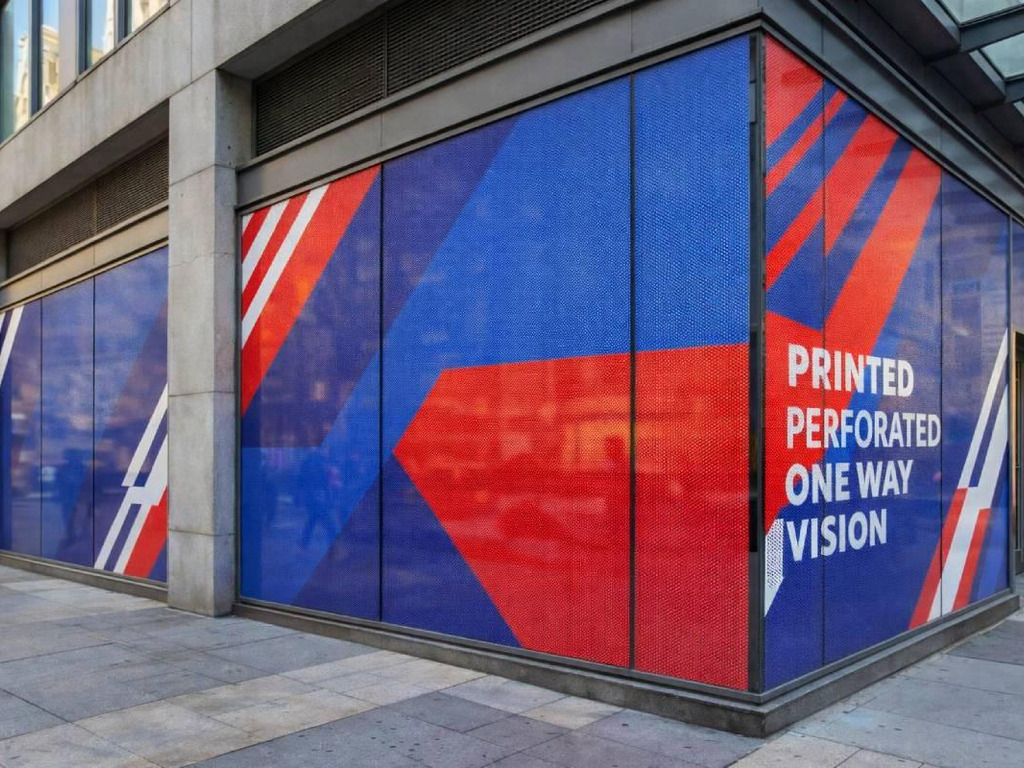
One Way Vision Window Graphics
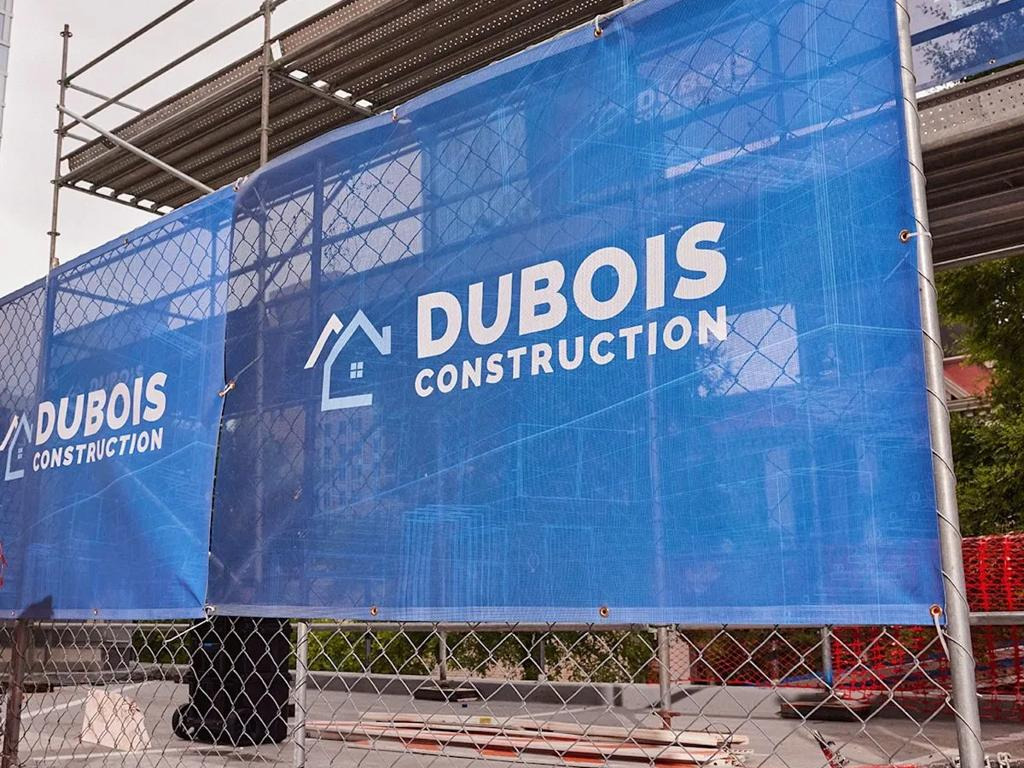
Construction Site Banner Printing
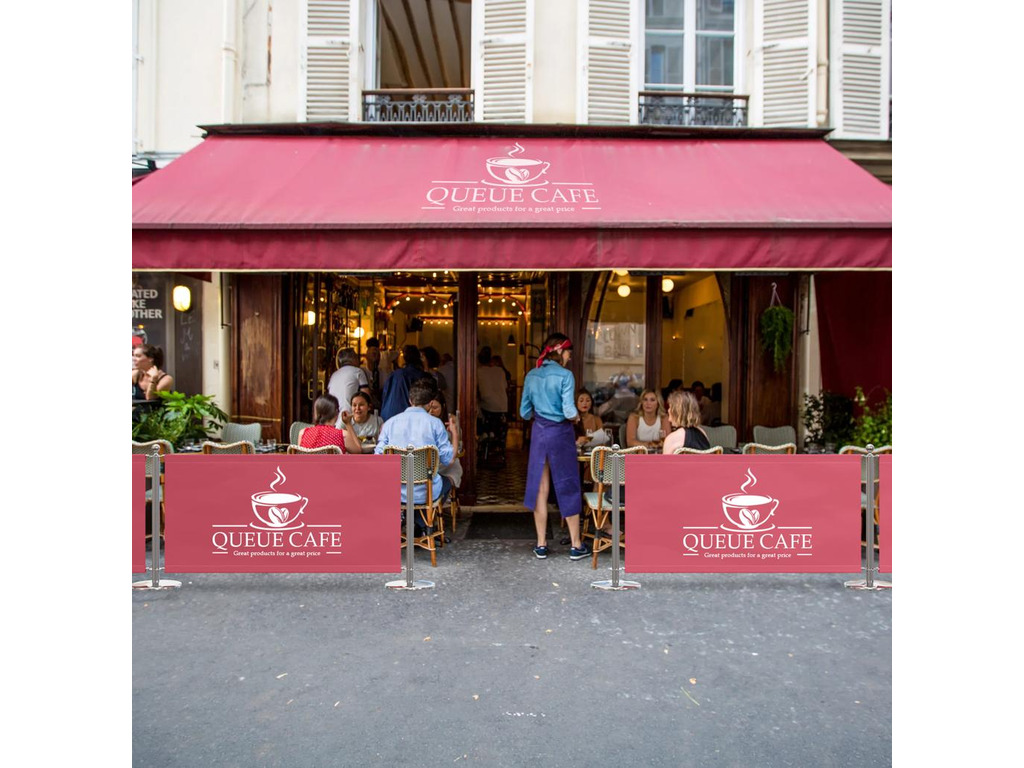
Cafe Awning and Barrier Printing
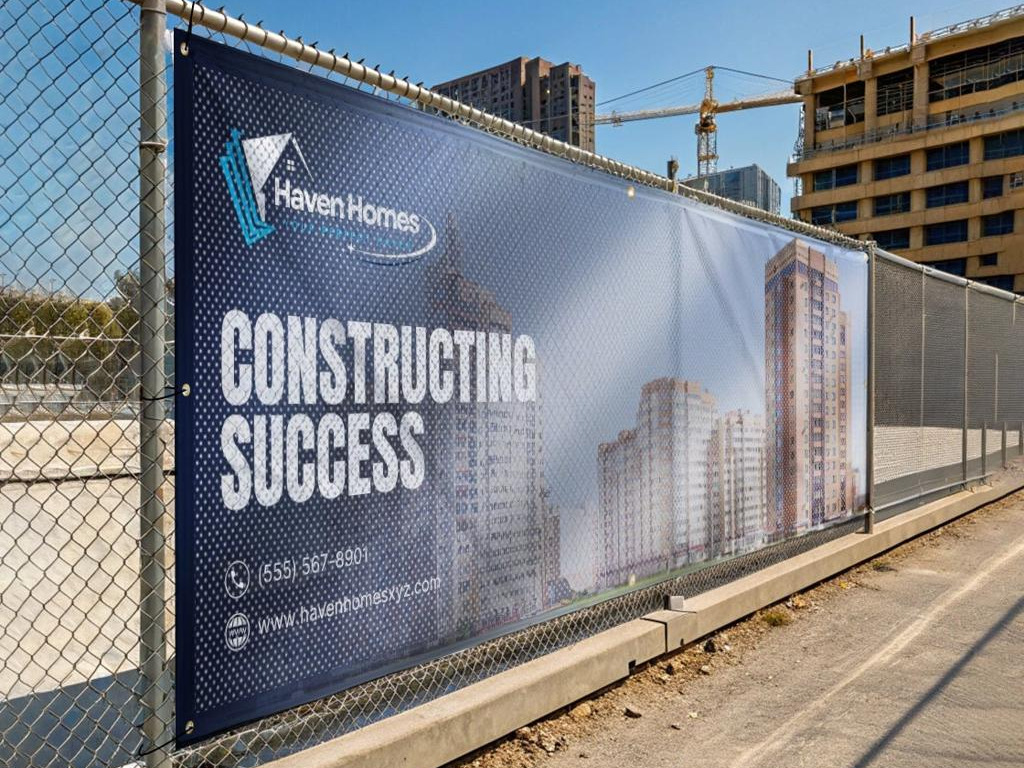
Construction Fence Banner Printing
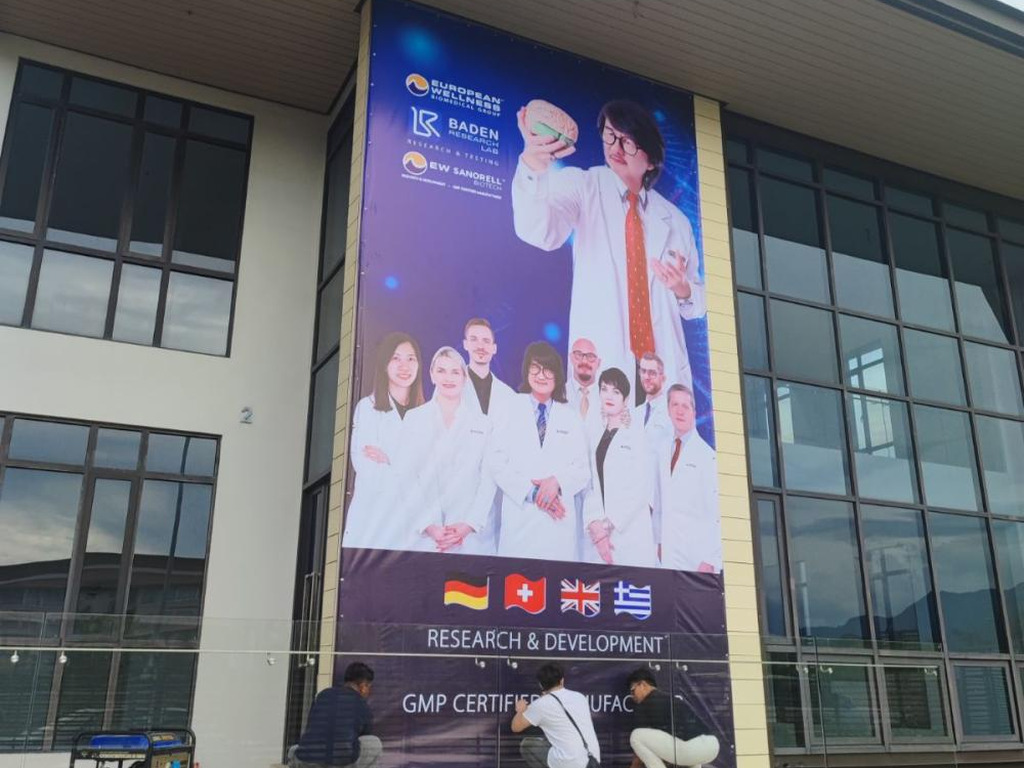
Building Facade Vinyl Printing
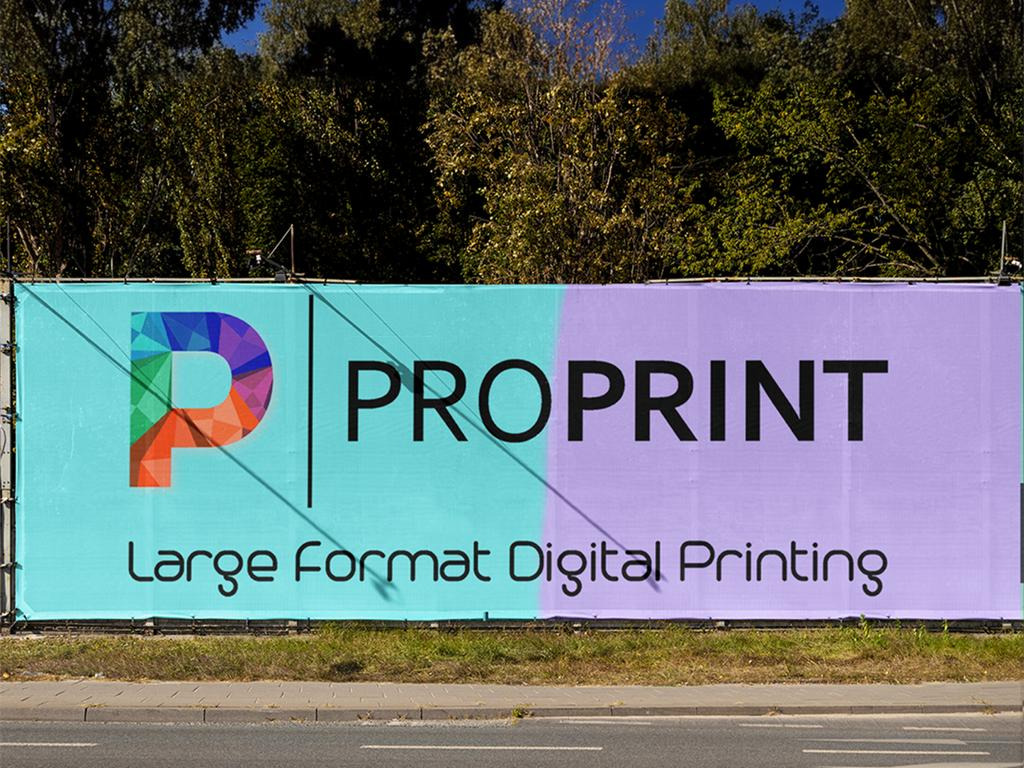
Facade Banner Advertising Print
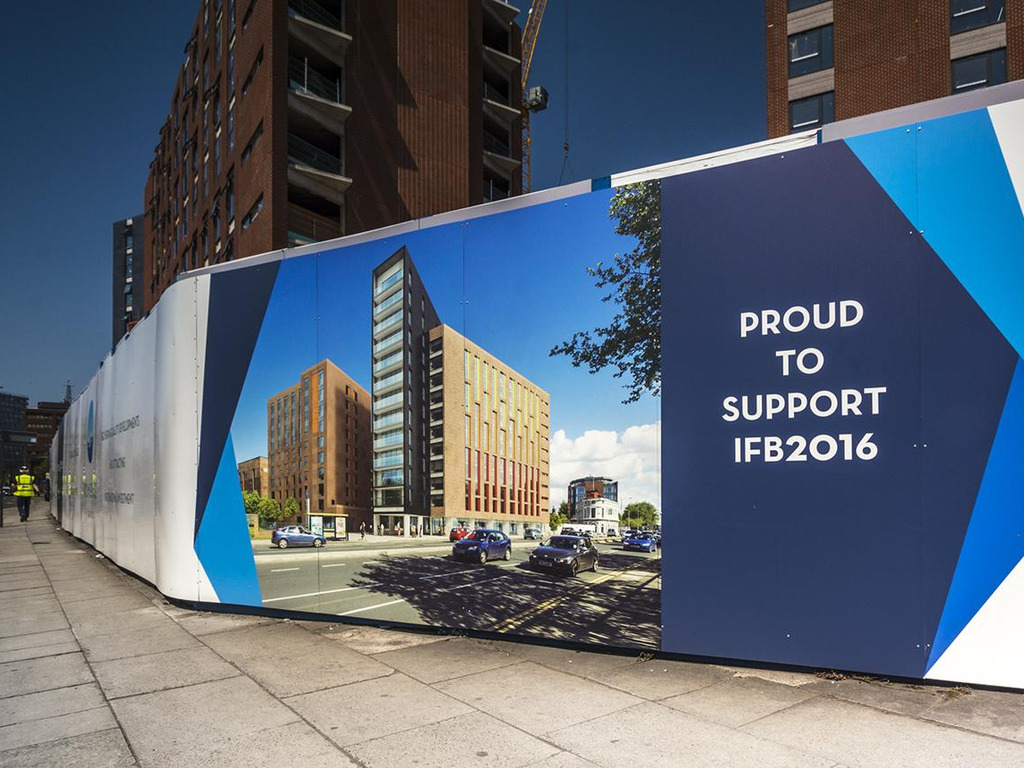
Construction Hoarding Graphics
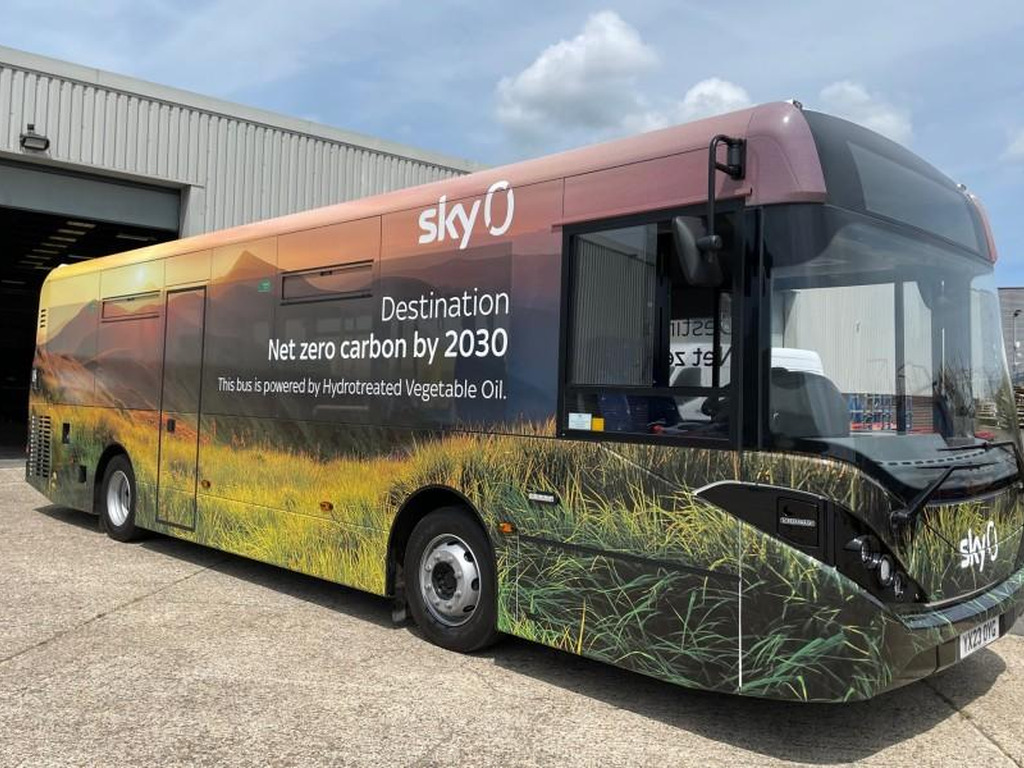
Bus Wrapping
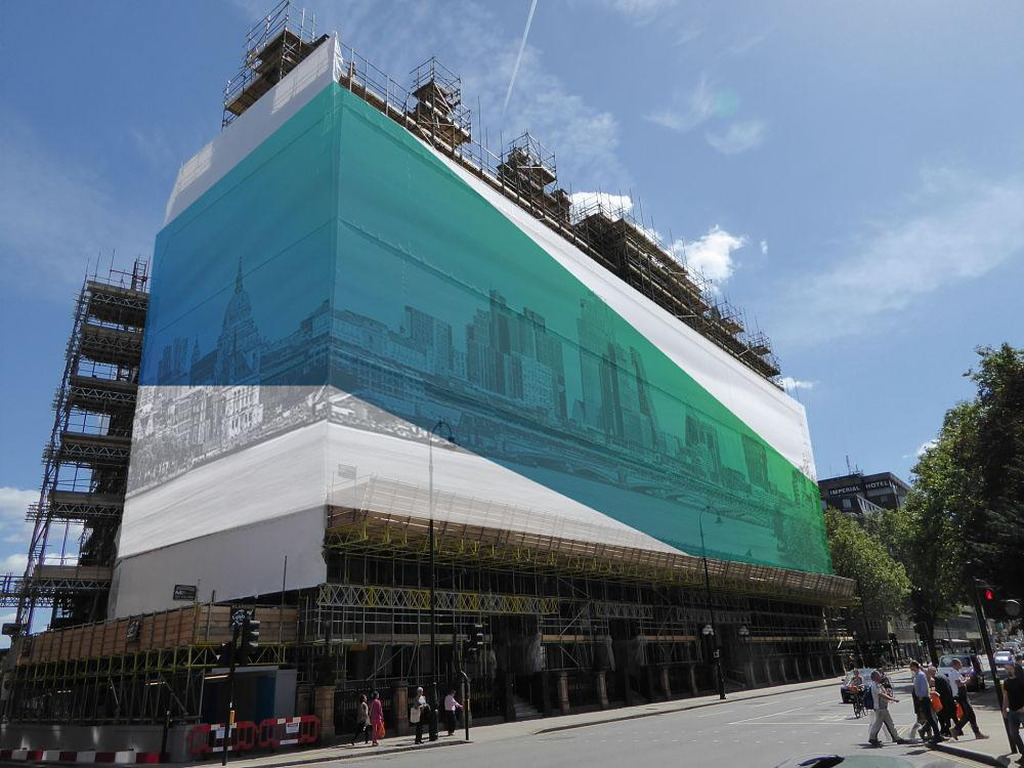
Building Facade Scaffold Banner Print
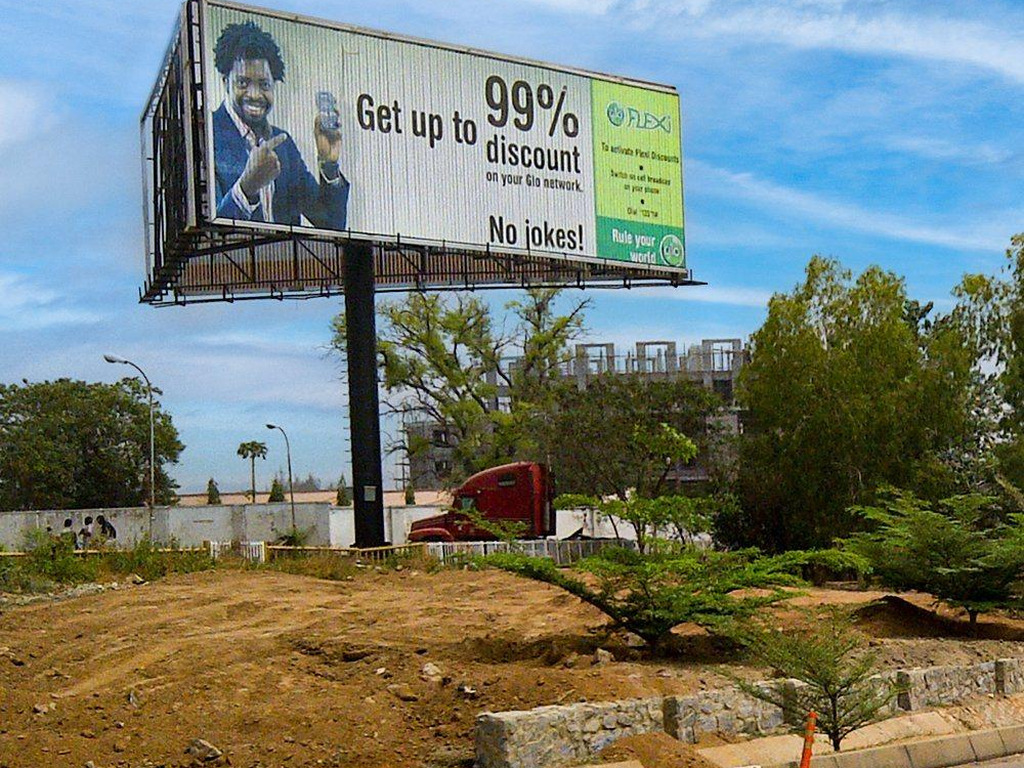
Billboard Advertising Print
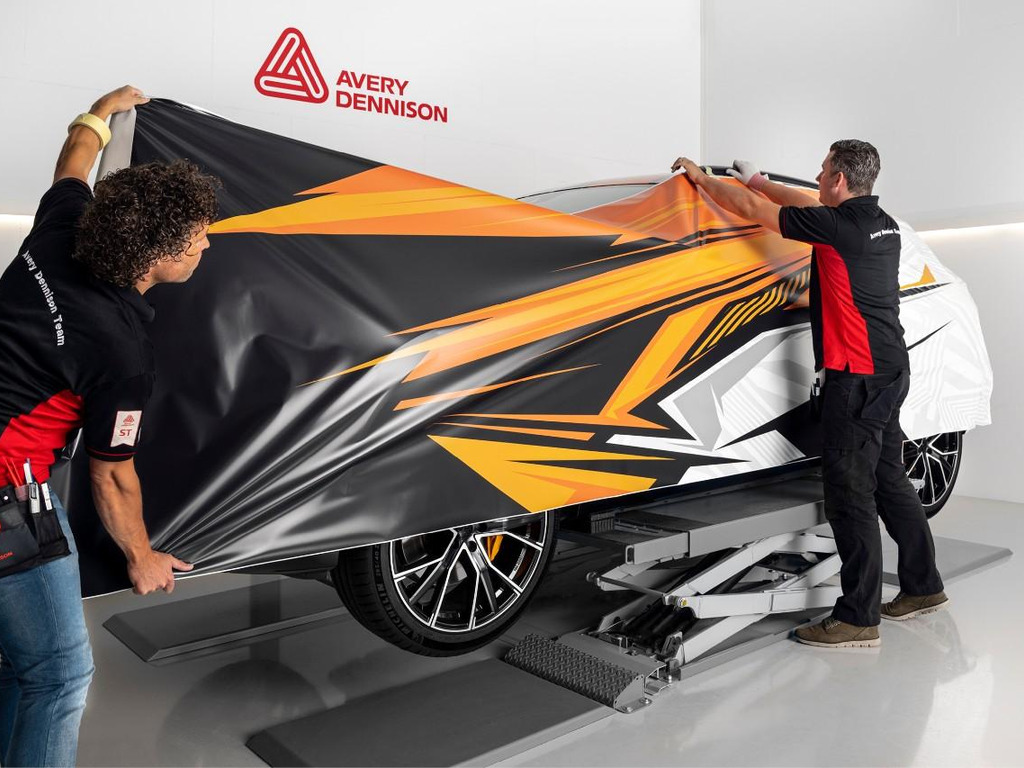
Vehicle Wrapping with Vinyl Film
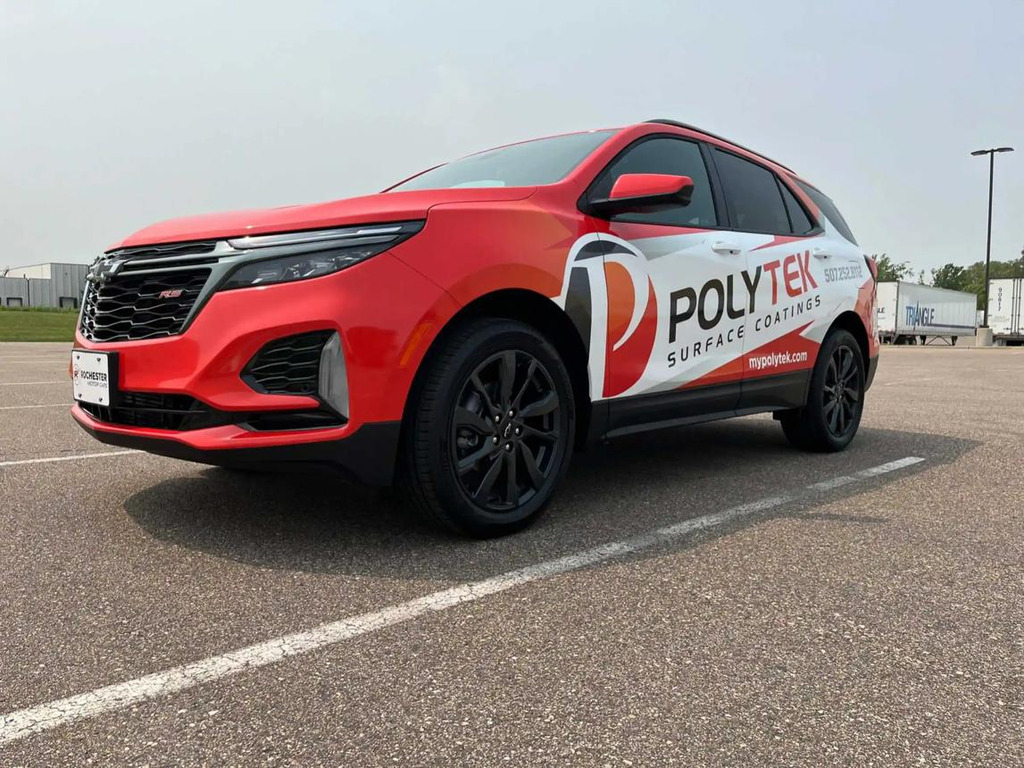
Vehicle Wrapping
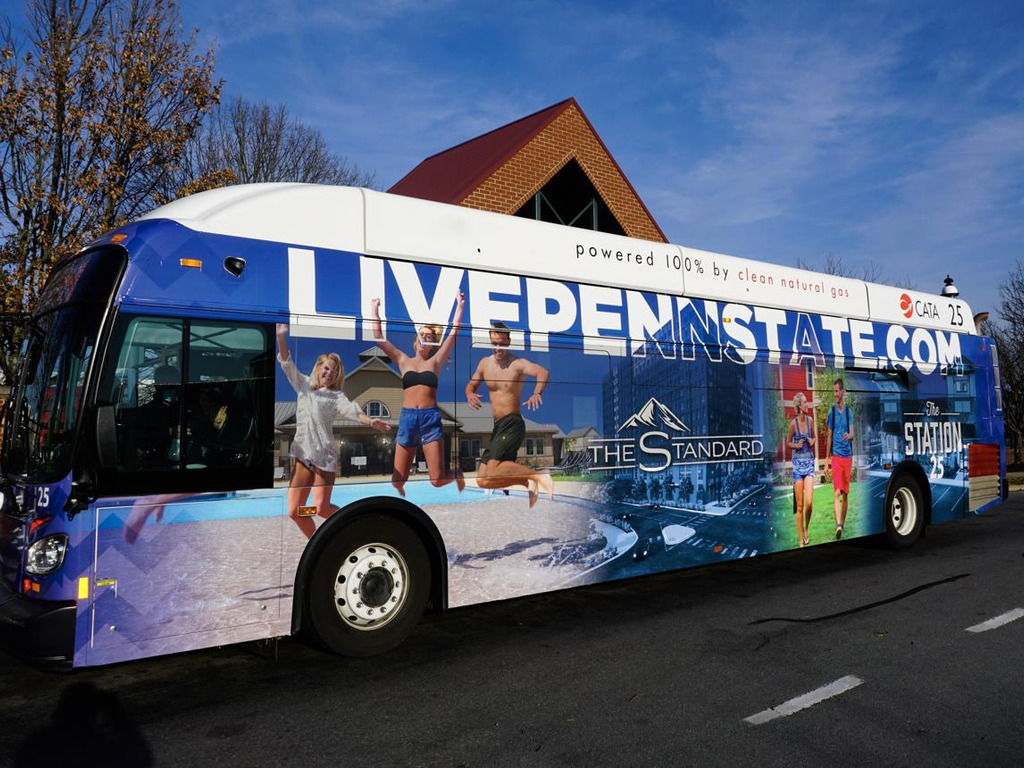
Bus Advertising Wrap
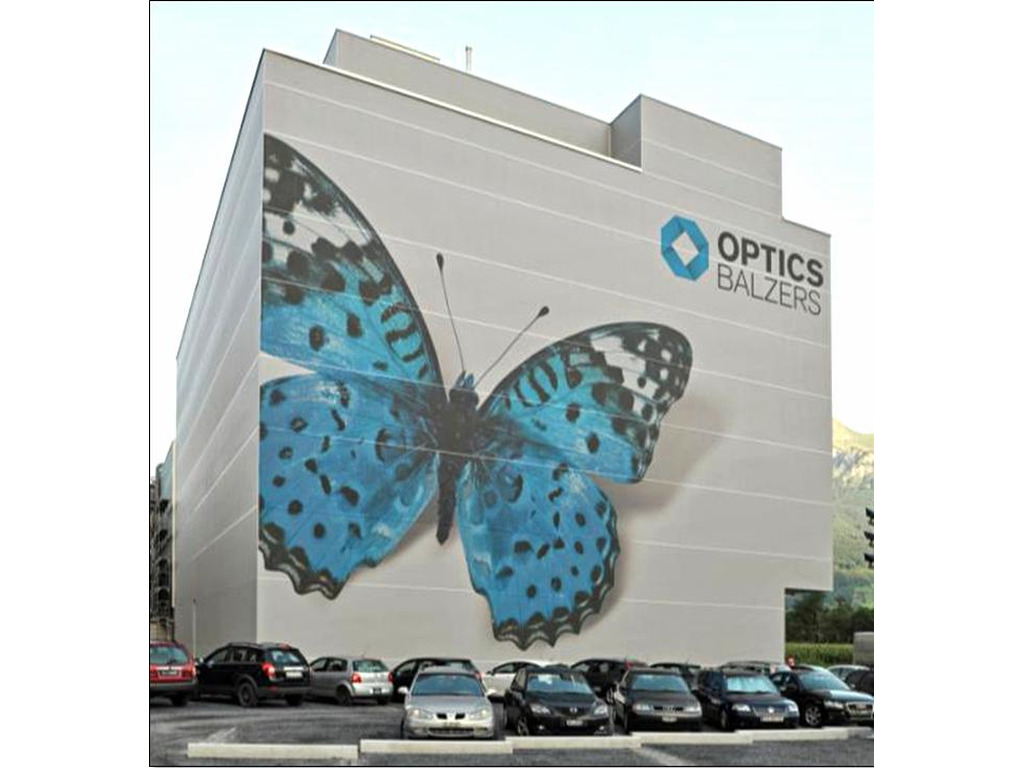
Building Wall Graphics
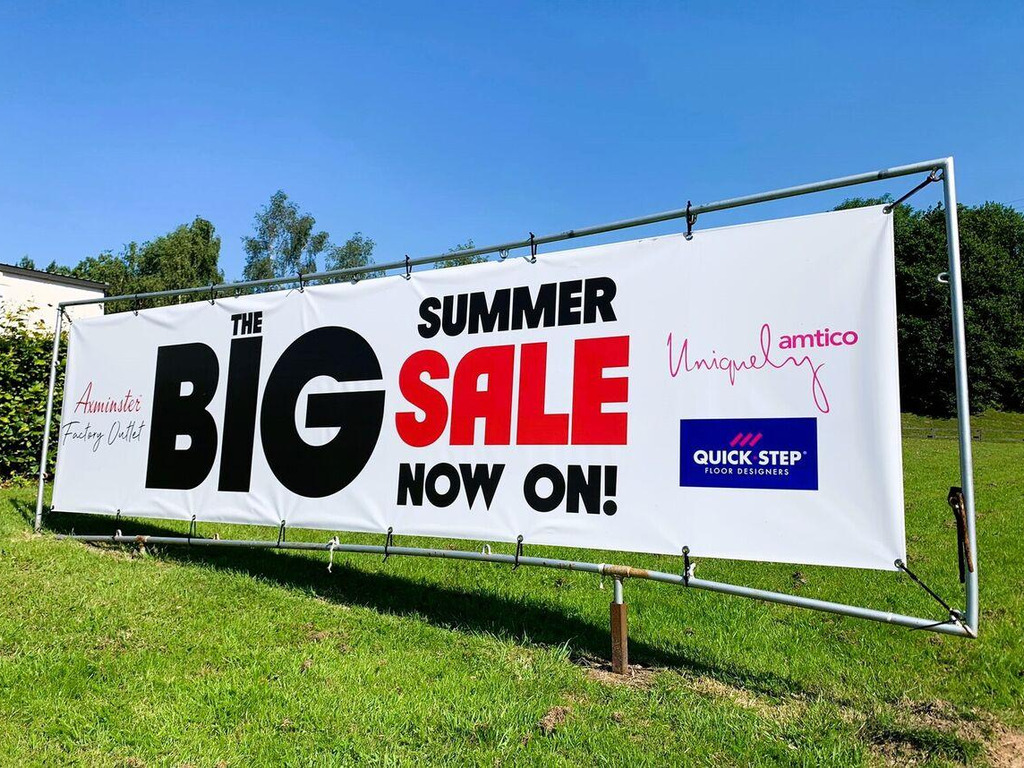
Outdoor Banner Poster Printing
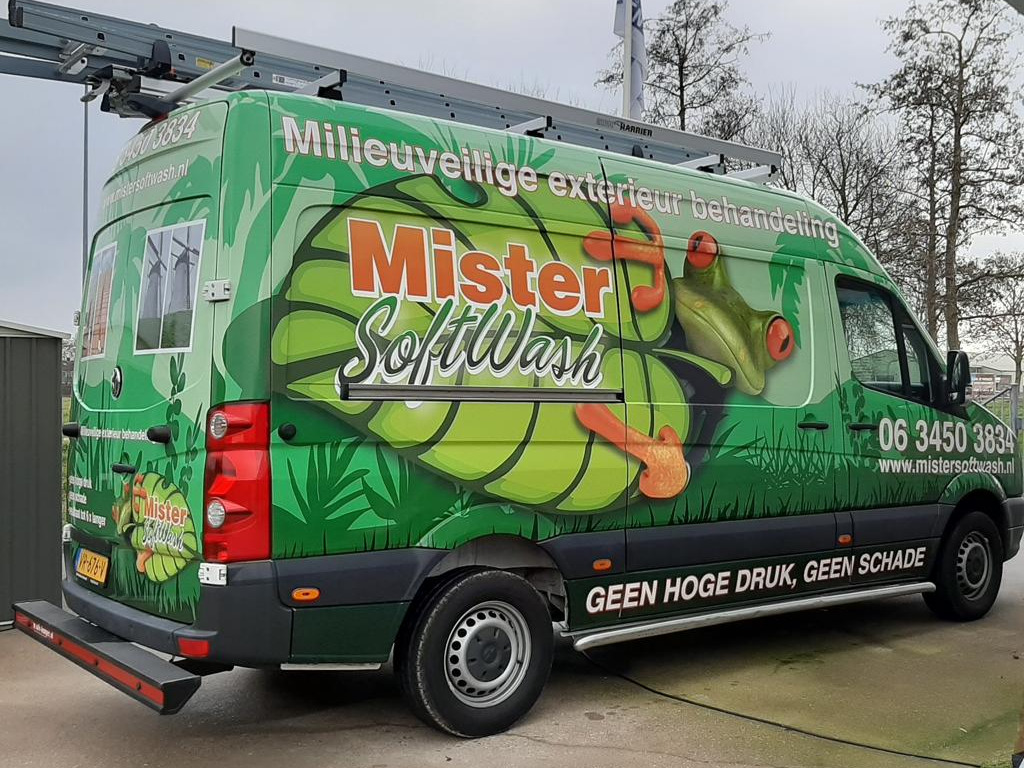
Commercial Vehicle Wrapping
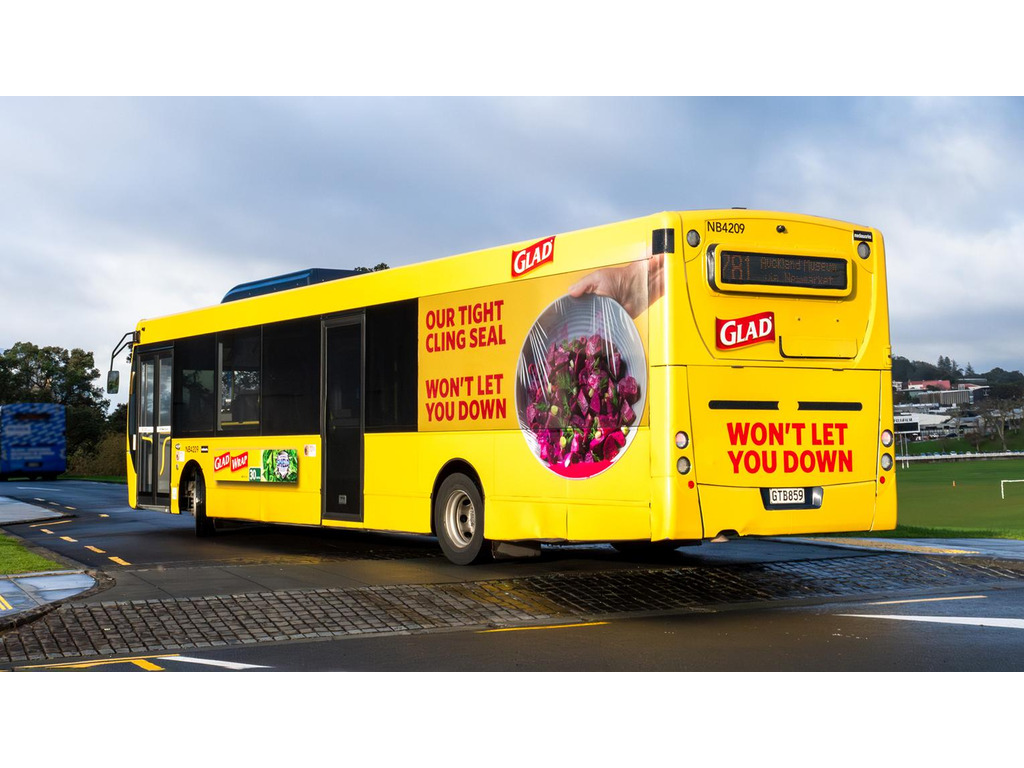
Bus Rear Panel Advertising Wrap
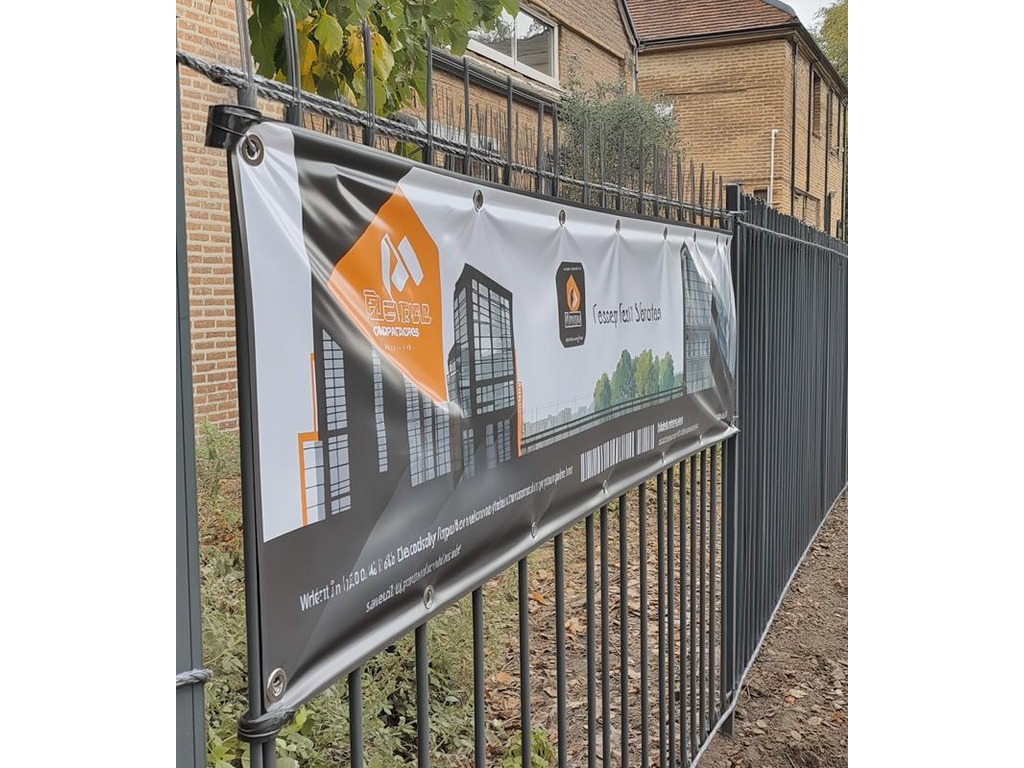
Banner Printing on Fencing
In advertising production, printing is largely a question of withstanding outdoor conditions. A sign or facade banner is exposed to sun, rain and wind for years; how the ink bonds to the material directly determines how long the job will last. That is why technology selection in this sector starts with durability rather than aesthetics.
The second defining factor is material variety. The same workshop may print vinyl banner one day and acrylic signage or vehicle wrap film the next. A single machine rarely covers all of it; the right setup usually consists of two complementary systems.
Main applications in advertising production
Signage and lightboxes
Printing directly onto acrylic, aluminium composite and PVC sheet delivers high colour fidelity because no intermediate transfer is involved. In lightboxes, backlighting lightens colours, so print density must be adjusted accordingly.
Vehicle wrapping
In vehicle wrapping the print is applied to a film flexible enough to follow curved surfaces and is protected with lamination. Because washing, abrasion and sun exposure combine, this is the advertising application that tests durability the hardest.
Facade banners and billboards
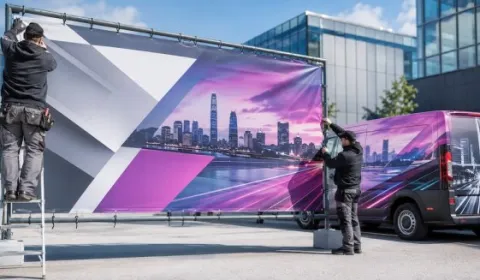
Print width is the deciding factor in large-format work. A facade banner produced in one piece has no seam, which preserves visual integrity and shortens installation time.
Choosing a machine for advertising work
For a producer working mainly with roll media, solvent printing machines or UV-based roll to roll systems are suitable. If acrylic and board work is part of the portfolio, flatbed UV printing machines come in, and hybrid systems for those who want both.
For a detailed comparison of the technologies, see our digital printing machines guide.
Frequently Asked Questions About Digital Printing in Advertising
1. How long does outdoor signage last?
It varies with ink type, lamination and exposure. Laminated solvent printing holds its colour outdoors for several years; without lamination that period is noticeably shorter.
2. Which ink should be preferred for vehicle wrapping?
Ecosolvent inks, which do not compromise the flexibility of the film, are the common choice. UV ink can also be used, but ink flexibility becomes critical where the film must conform to curves.
3. What matters in lightbox printing?
Because backlighting lightens colours, print density is kept higher than normal. Using backlit film made for this purpose is the most practical way to keep colour balance.
4. What print width is needed for large-format work?
The deciding factor is the largest job you produce regularly. In a business dominated by facade banners, machines of 3.2 metres and above remove seams; in a narrow-format workshop they create idle capacity.