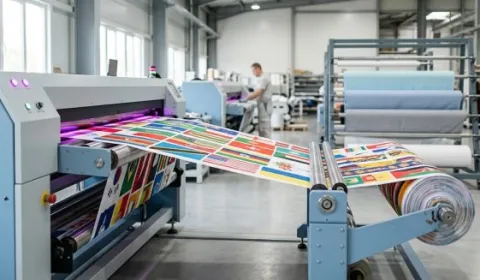
Double Sided Textile Printing Machine
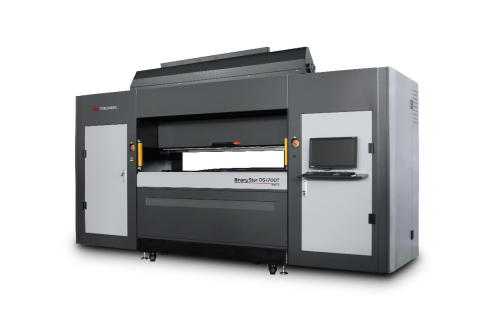
Yaselan Binary Star S10
Double Sided Textile Printing MachineVarious Printhead Layout Modes
Supports C M Y K / C M Y K LC LM O B (FM,FY) 8…
Discover
Double Sided Textile Printing Machine

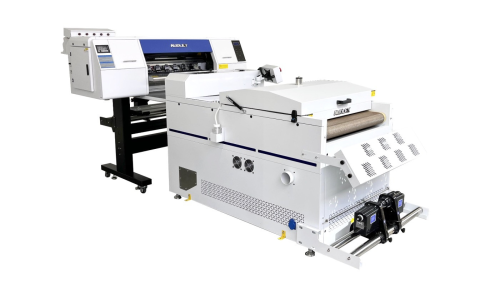
Audley S7070-3
DTF Printing Machine 2 HeadsMulti-Color Printing Capability: This machine is designed for multi-color printing, allowing users to easily create complex designs. With the CMYK+Cyan+Cyan+White+W…
Discover
DTF Printing Machine 2 Heads

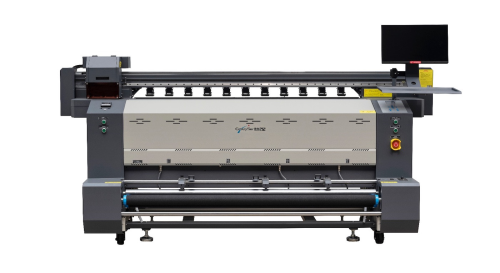
CenturyStar CSP-1600
Century Star 1.60 Flag Printing Machine
Larger print format for higher production efficiency
Precise heating system ensures constant temperature in the entire format
Magnetic raster provides…
Discover
Century Star 1.60 Flag Printing Machine

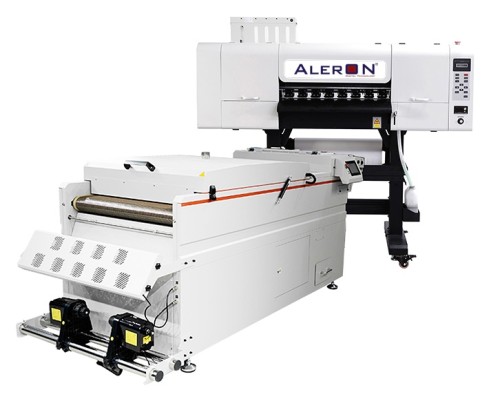
Aleron C604
DTF Printing Machine 4 Heads Epson I3200-A1It can be applied to a variety of fabrics, such as nylon, chemical fiber, cotton, and more. It boasts high…
Discover
DTF Printing Machine 4 Heads Epson I3200-A1
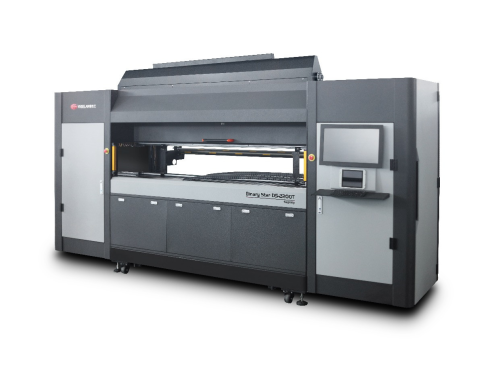
Yaselan Binary Star DS-2200
Double Sided Textile Printing MachineSuperior Performance with Advanced Printing Solutions
Binary Star DS-2200T is a double-sided synchronized digital printing machine equipped with Epson i3200-A1…
Discover
Double Sided Textile Printing Machine
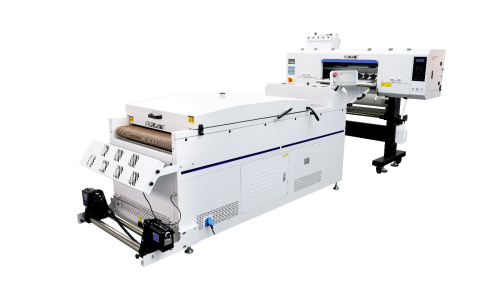
Audley S8074-3
DTF Printing Machine 4 HeadsThis direct to film printer can be applied to various garments, such as T-shirts, hoodies, shoes, spandex underwear, shoes, etc.…
Discover
DTF Printing Machine 4 Heads
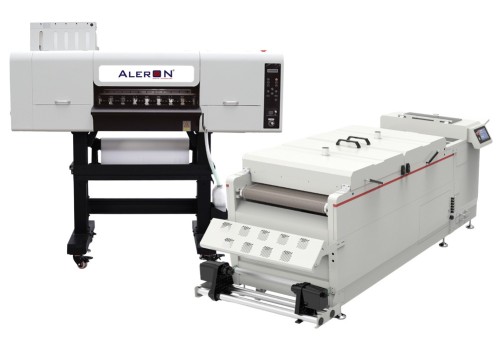
Aleron C605+H602
DTF Printing Machine 5 Head Epson I3200-A1It can be applied to a variety of fabrics, such as nylon, chemical fiber, cotton, and more. It boasts high…
Discover
DTF Printing Machine 5 Head Epson I3200-A1
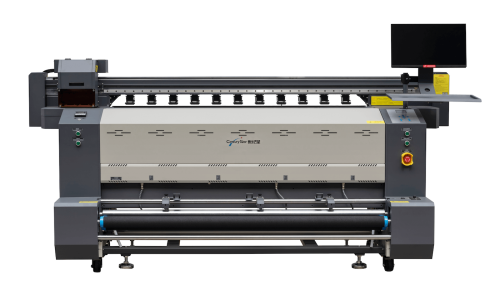
CenturyStar CSP-2100
Century Star 2.10 Flag Printing Machine
Larger print format for higher production efficiency
Precise heating system ensures constant temperature in the entire format
Magnetic raster provides…
Discover
Century Star 2.10 Flag Printing Machine
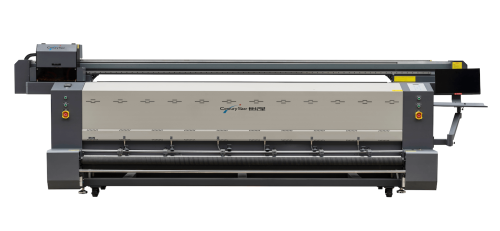
CenturyStar CSP-3200
Century Star 3.20 Flag Printing Machine
Capacity to print up to 320 cm wide
High speed and resolution with a total of 8 Epson i3200 print…
Discover
Century Star 3.20 Flag Printing Machine
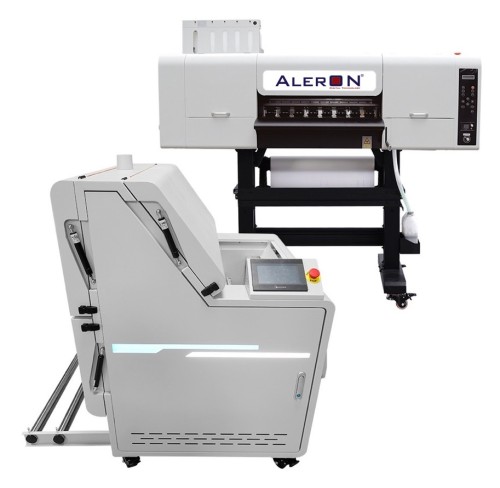
Aleron C605+650LS
DTF Printing Machine 5 Head Epson I3200-A1It can be applied to a variety of fabrics, such as nylon, chemical fiber, cotton, and more. It boasts high…
Discover
DTF Printing Machine 5 Head Epson I3200-A1
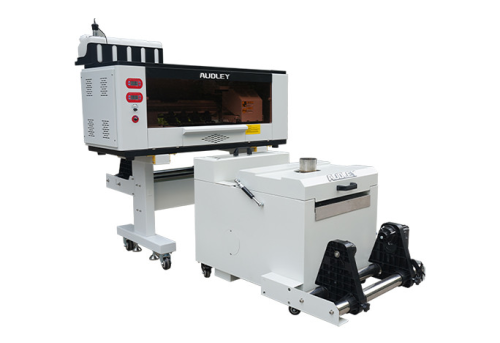
Audley S2030
DTF Printing MachineHigh Quality Printing Performance: The Audley S2030-X5 DTF printer features dual XP600 F1080A1 heads that enable fast and precise printing…
Discover
DTF Printing Machine
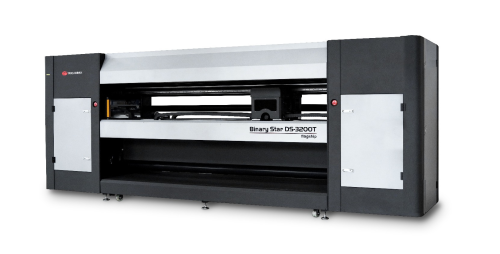
Yaselan Binary Star DS-3200T
Double Sided Textile Printing MachineDifferent Printhead Combination Modes
C M Y K / C M Y K LC LM / C M Y K…
Discover
Double Sided Textile Printing Machine
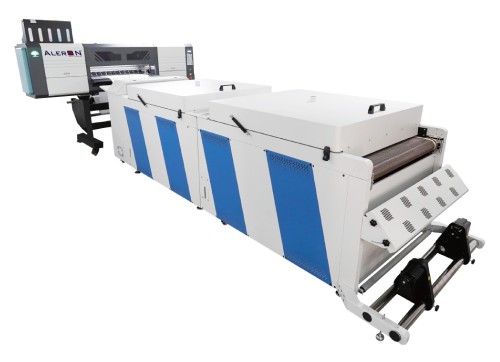
Aleron L808+D808
DTF Printing Machine 8 Heads Epson I3200-A1
Imported Silent Rail
Epson Printheads
Automatic Feeding Device
Control Interface
Discover
DTF Printing Machine 8 Heads Epson I3200-A1
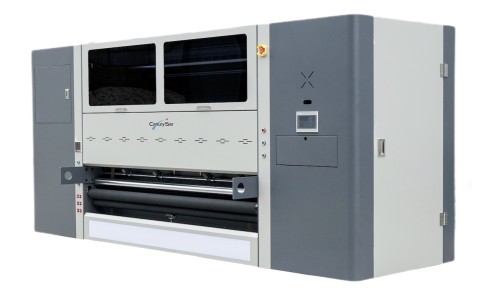
Double-Sided Flag Printing Machine 1.6m
CenturyStar CSP-DS1600
Advanced Printing Platform to Avoid Flying Ink
Controlled by the Hoson system, the printing platform has a 45-degree slope and…
Discover
CenturyStar CSP-DS1600
UV DTF
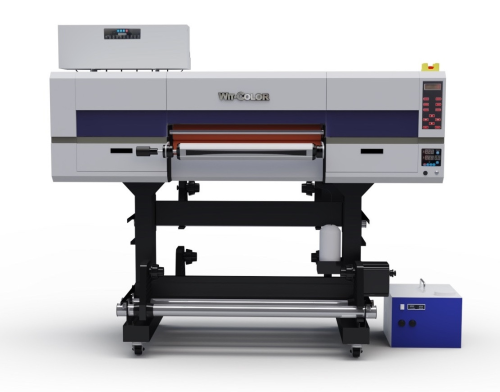
UV DTF Printing Machine 0603Wit-Color Multicolor Digital UV Printer Ultra i3200 UV DTF
Print Width: 0.6m
Print Head: Epson i3200
Print Head Quantity: 1…
Discover
UV DTF Printing Machine 0603
Double-Sided Flag Printing Machine 2.1m
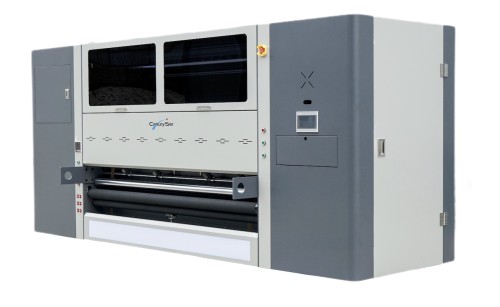
CenturyStar CSP-DS2100
Advanced Printing Platform to Avoid Flying Ink
Controlled by the Hoson system, the printing platform has a 45-degree slope and…
Discover
CenturyStar CSP-DS2100
Double-Sided Flag Printing Machine 2.1m
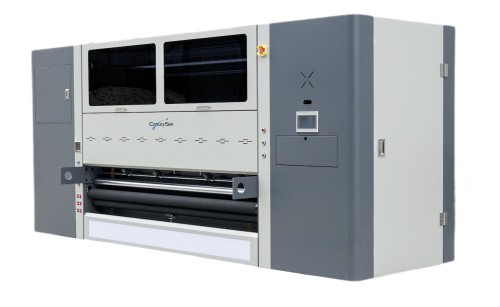
CenturyStar CSP-DS2116
Advanced Printing Platform to Avoid Flying Ink
Controlled by the Hoson system, the printing platform has a 45-degree slope and…
Discover
CenturyStar CSP-DS2116
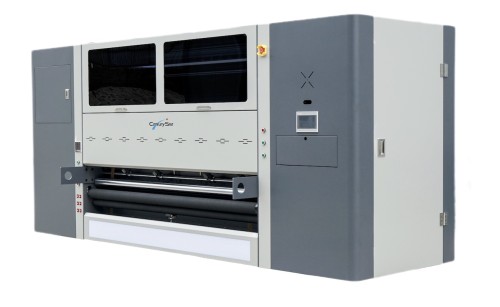
Double-Sided Flag Printing Machine 3.2m
CenturyStar CSP-DS3200
Advanced Printing Platform to Avoid Flying Ink
Controlled by the Hoson system, the printing platform has a 45-degree slope and…
Discover
CenturyStar CSP-DS3200
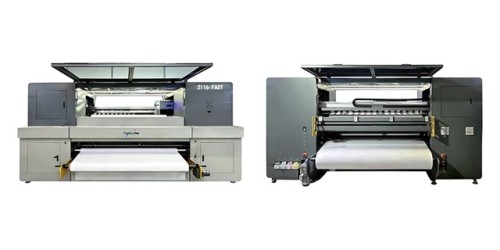
Super Speed Flag Printing Machine 2.1m
CenturyStar CSP-S2116Function and Characteristics
Daily output of 10,000 sqm, increasing production capacity
Equipped with 16 printheads; when printing in 1-pass mode…
Discover
CenturyStar CSP-S2116
Textile Application Examples
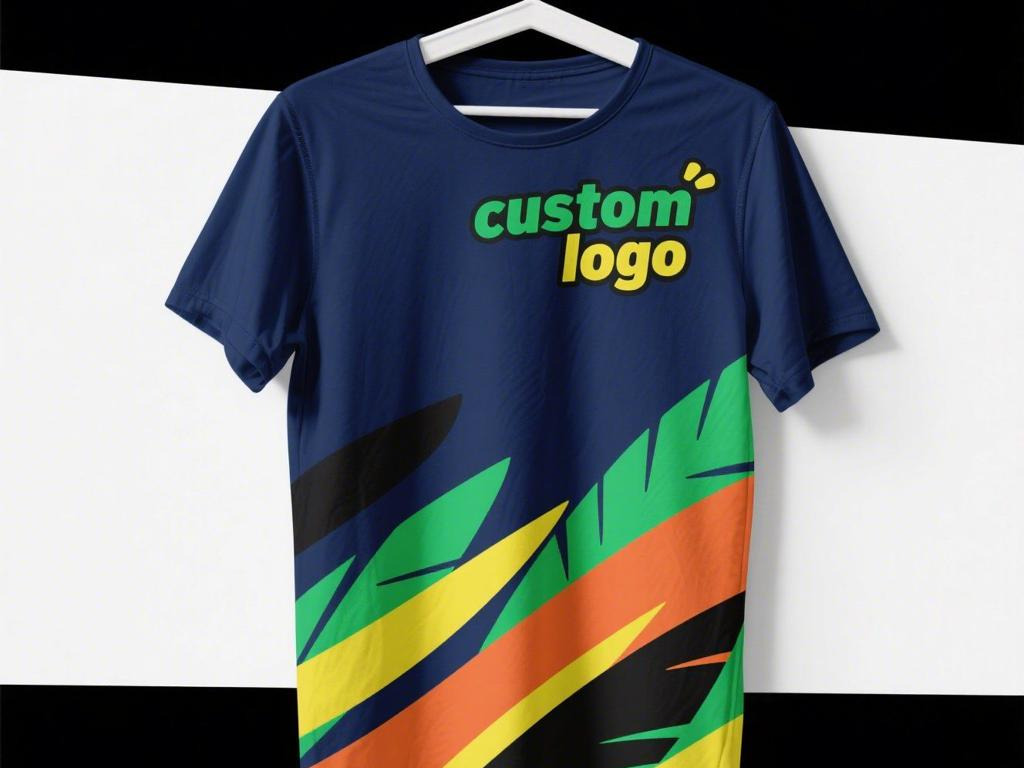
Sublimation Printed T-Shirt
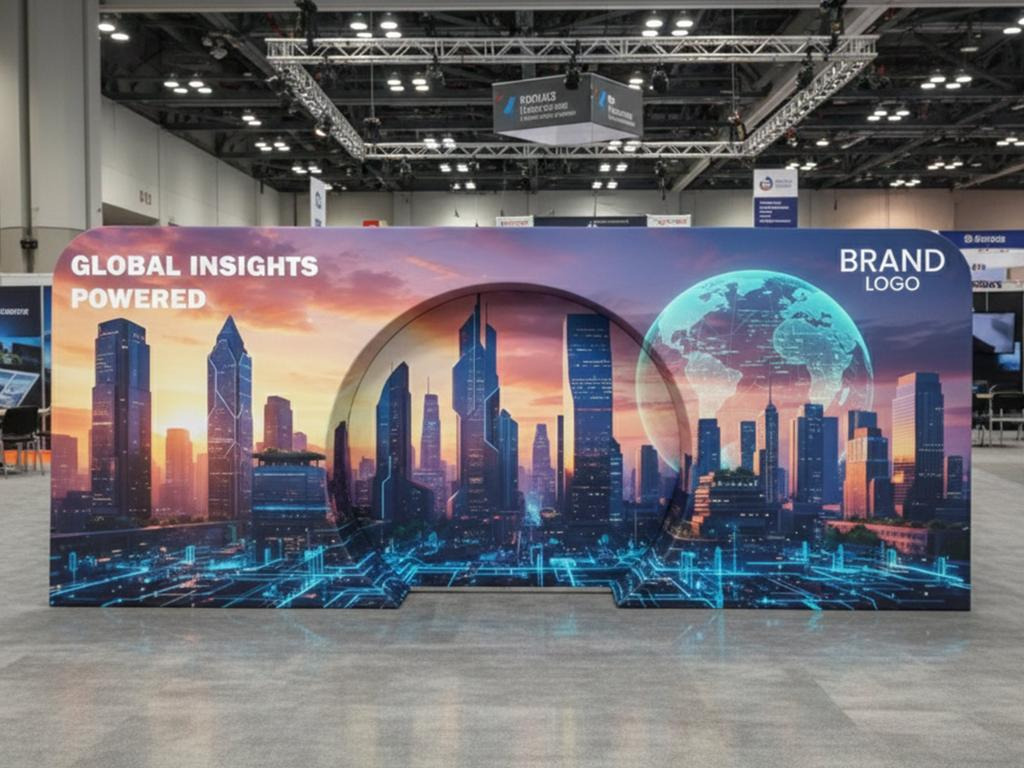
Trade Show Booth Backdrop Printing
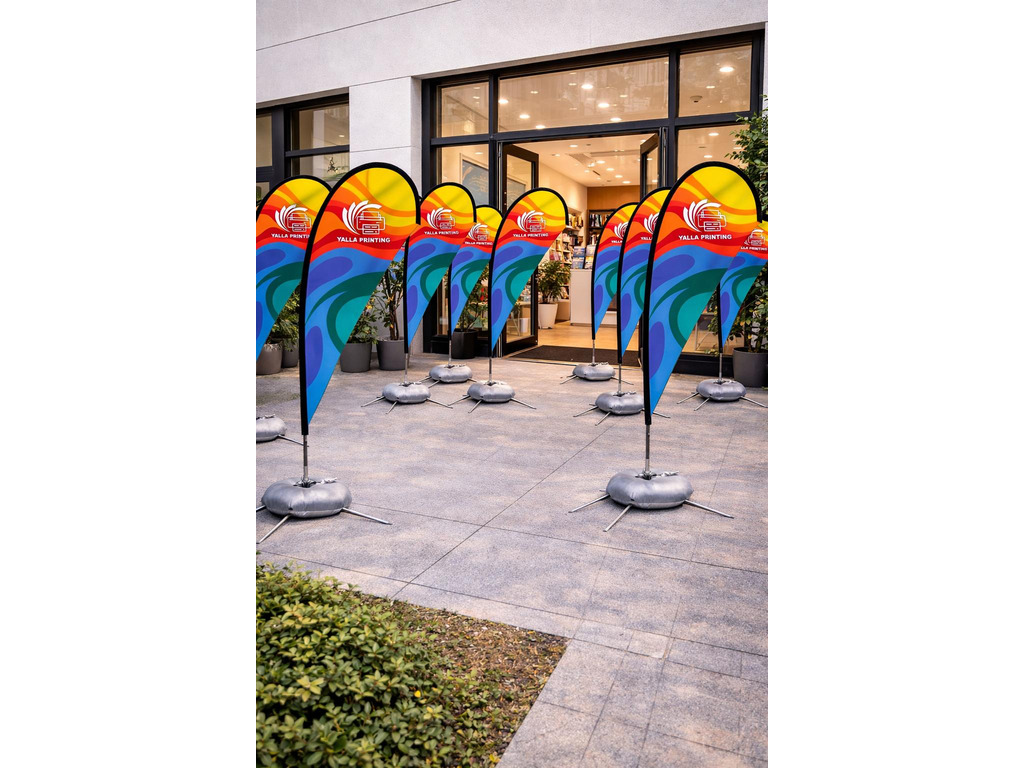
Feather Flag Printing
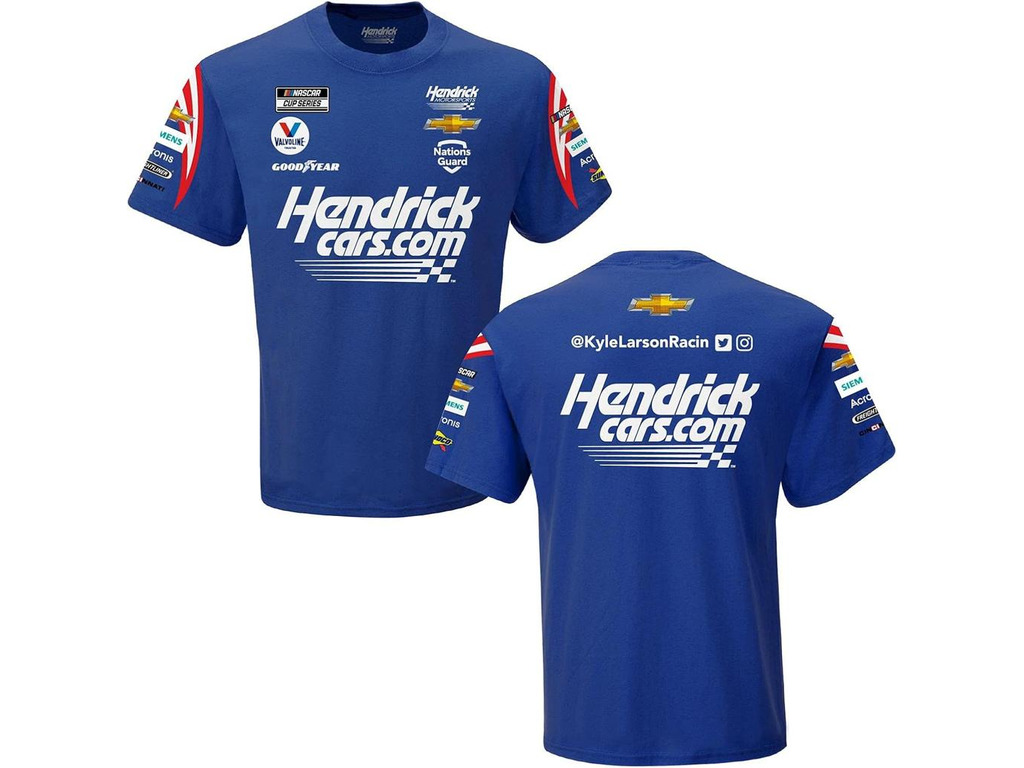
Logo Printed T-Shirt
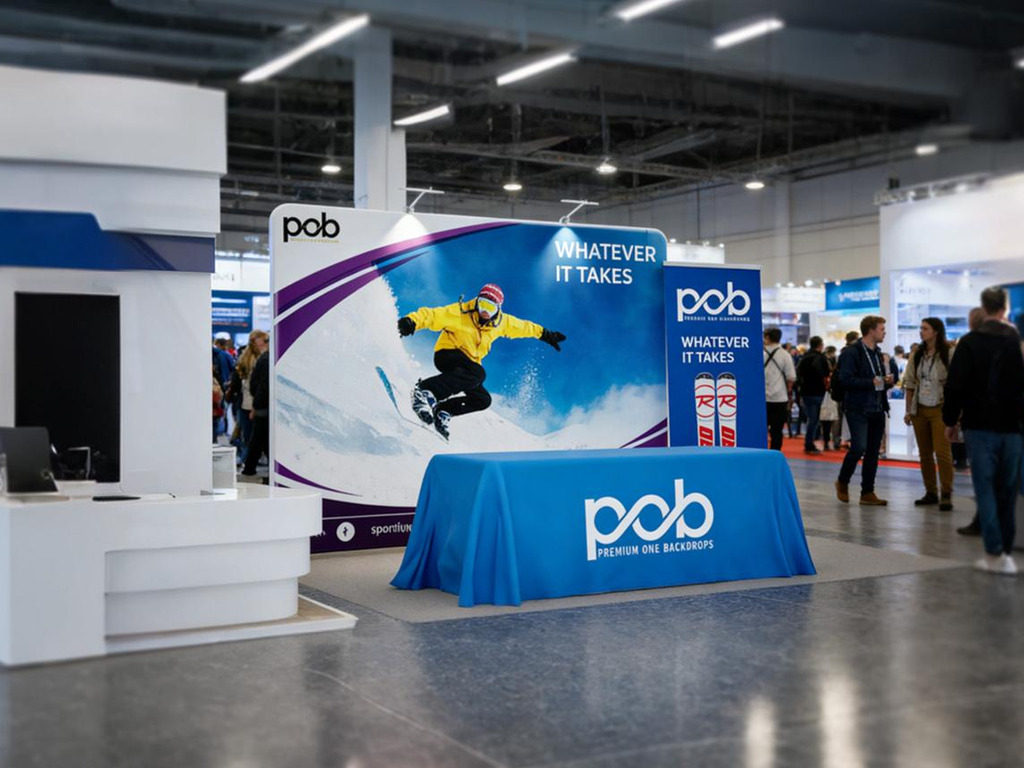
Trade Show Booth Fabric Graphics
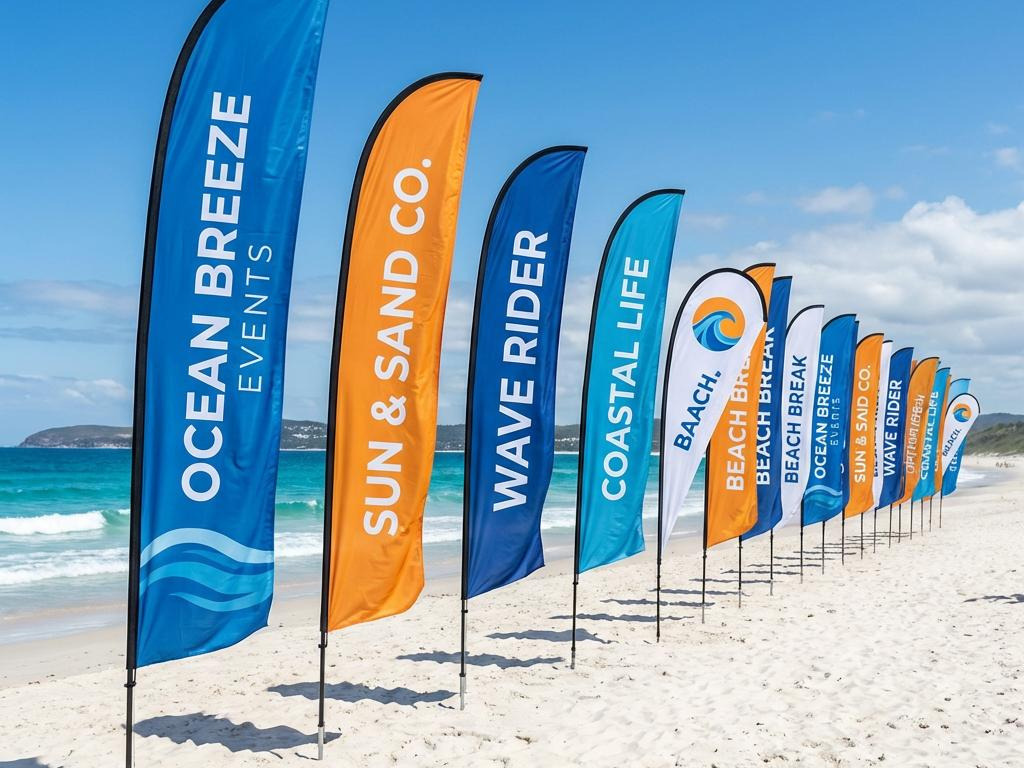
Beach Flag Printing
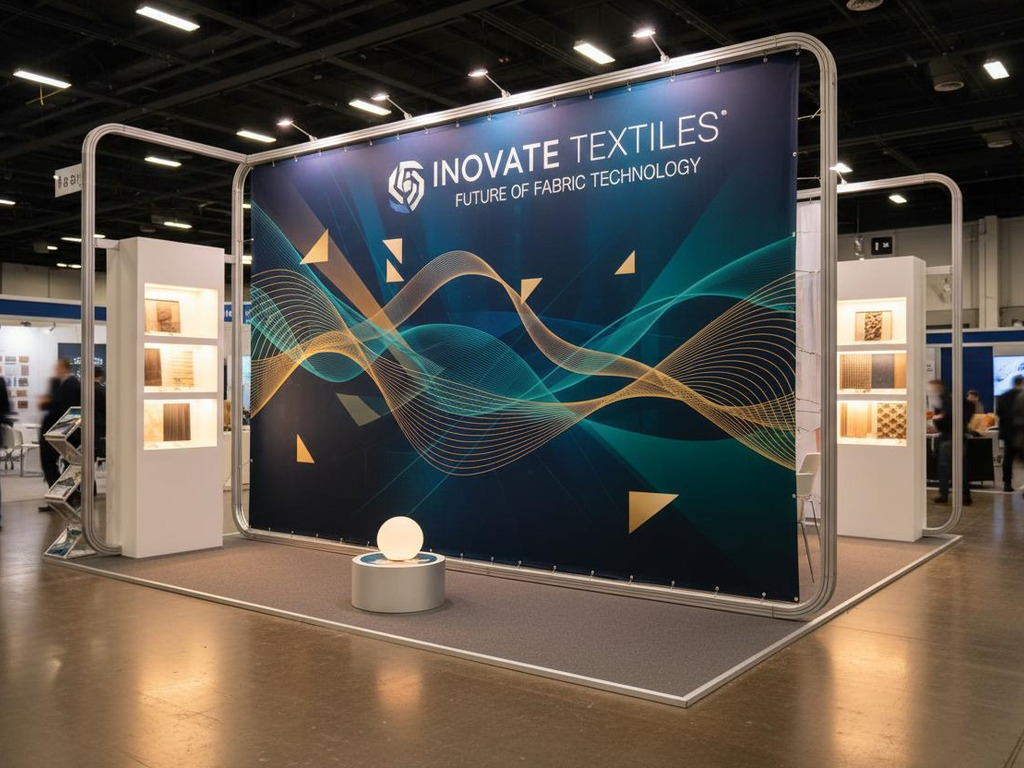
Trade Show Booth Tension Fabric Print
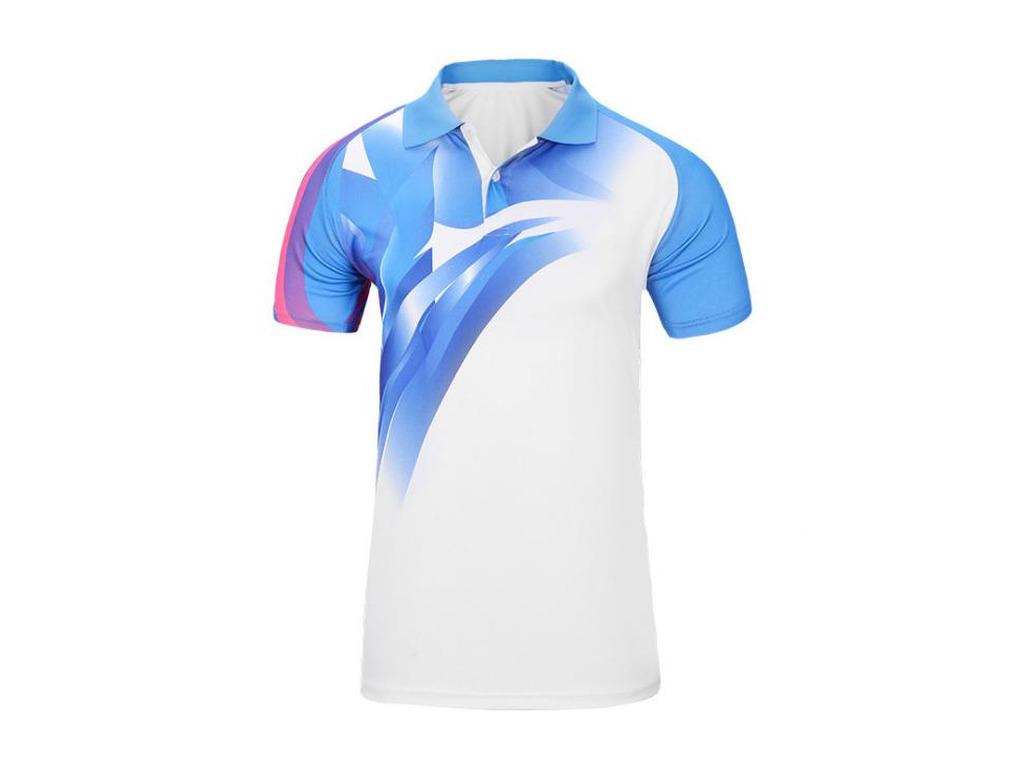
Sublimation Printed Polo Shirt
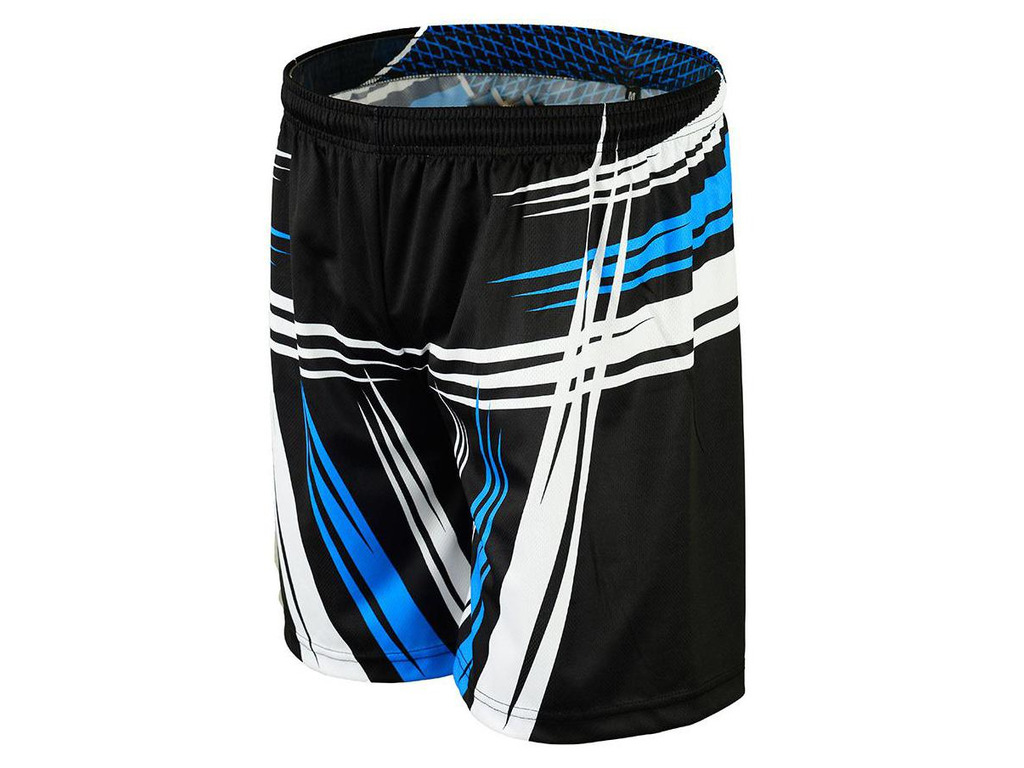
Sublimation Printed Sports Shorts
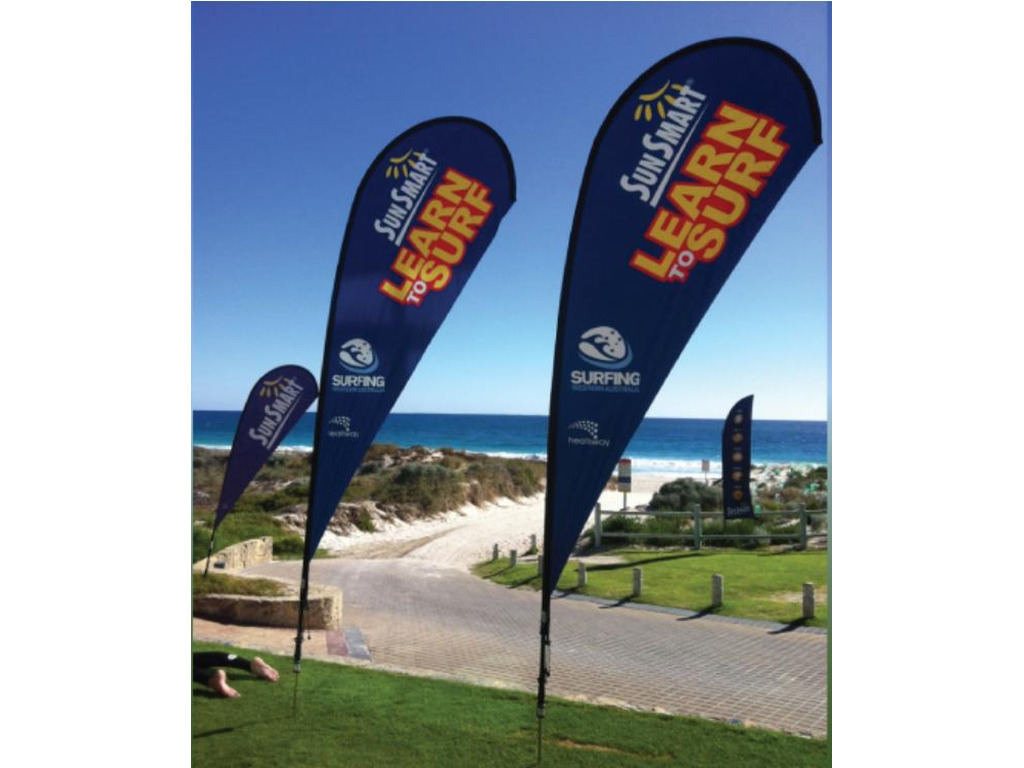
Feather Flag Application
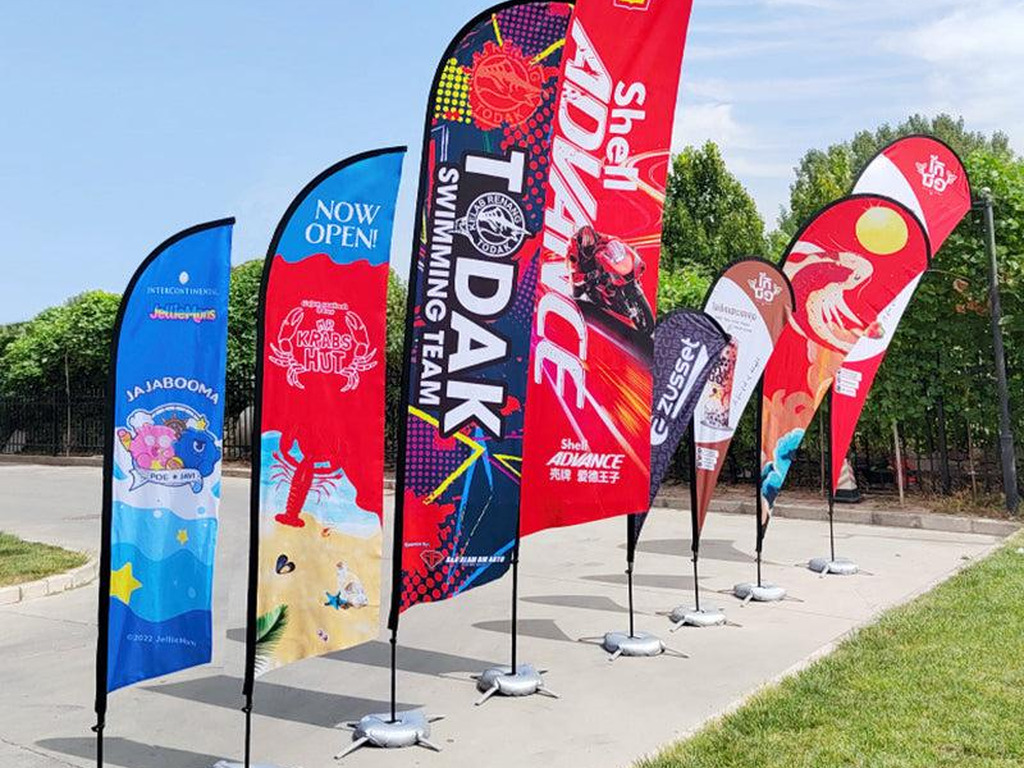
Feather Flag Varieties Printing
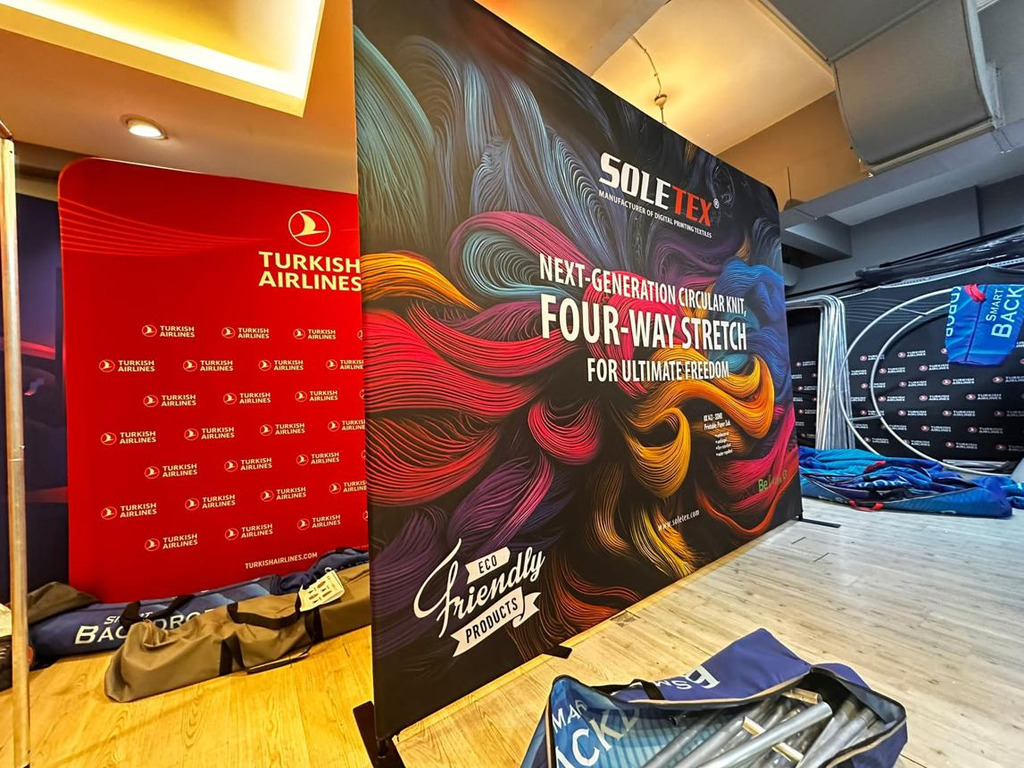
Fabric Trade Show Backdrop Printing
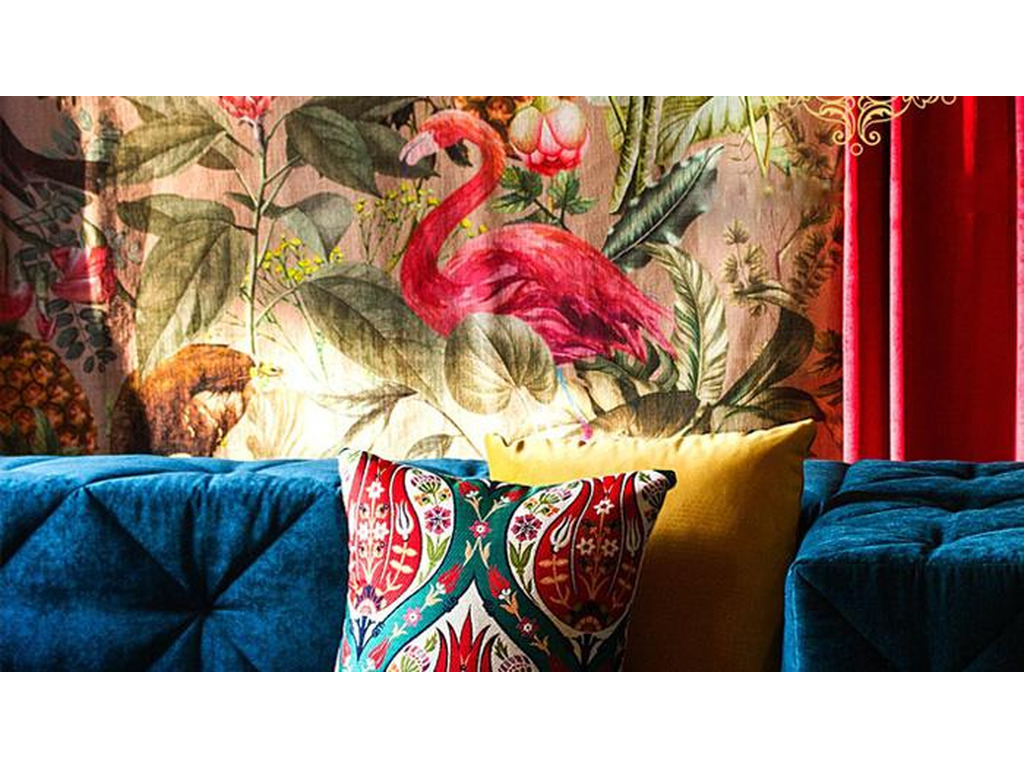
Digital Wallpaper Printing
In textile printing, method selection depends almost entirely on the fibre structure of the fabric. Polyester and cotton interact with dye in completely different ways, so there is no single "best technology" in this sector — there are two main routes that change with the fabric being printed.
The first is sublimation: under heat the dye turns to gas and penetrates the polyester fibre. The second is DTF: the image is printed onto film, coated with powder adhesive and transferred to the fabric with a heat press. Sublimation works only on light-coloured polyester, while DTF also delivers results on cotton and dark fabrics.
Applications in textile printing
Flags and pennants
Sublimation is the standard method for pole flags, hanging flags and exhibition pennants. On products seen from both sides, double-sided printing prevents the reverse face from appearing mirrored or faded.
Sportswear and jerseys
On polyester jerseys, sublimation printing does not compromise the breathability of the fabric. Because the dye forms no layer on the surface, the print cannot be felt and does not crack when stretched.
Promotional textiles
For t-shirts, bags and caps the fabric is mostly cotton and dark colours are common. This is DTF's natural territory; thanks to the white underbase, colours stay vivid even on black.
Choosing a machine for textile printing
If your production is polyester-based, sublimation printing machines are suitable; if you work with cotton and dark fabrics, DTF systems are. In flag production, models with integrated fixation complete printing and setting in a single flow, removing the need for a separate calender press.
For flag printing technologies and model selection see our flag printing machines guide, and for the difference between DTF and UV DTF our comparison article.
Frequently Asked Questions About Textile Printing
1. Why does sublimation not work on cotton?
Sublimation dye bonds chemically to polyester fibre. Cotton is a natural fibre and cannot form that bond, so the dye washes out. DTF is preferred for cotton products.
2. Does the print fade in the wash?
In sublimation, fading is minimal because the dye penetrates the fibre. In DTF the print forms a film layer on the surface; a correctly applied transfer withstands dozens of washes.
3. When is double-sided flag printing needed?
It is needed for hanging flags and pennants seen from both sides. For products viewed from one side, such as table flags, single-sided printing is sufficient.
4. Is the fixation process mandatory?
In sublimation it is; the dye only penetrates the fibre under heat and pressure. This is done with an integrated fixation unit or a separate calender press.