

Book Edge Printing Single Pass Printer

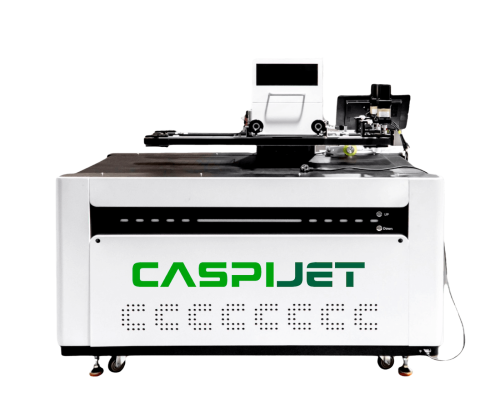
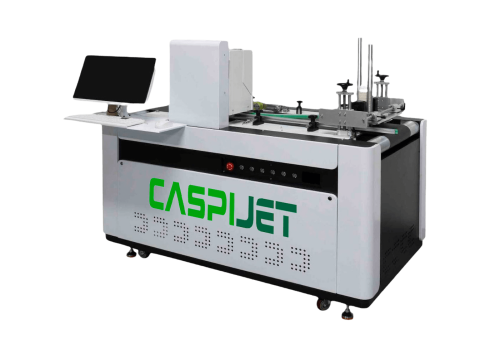
Caspijet CJ-T1
Book Edge Printing Single Pass Printer
Print Head: HP841
Print Speed: 20-40m/min
Print Width: 13cm/21cm/30cm
Color: CMYK
Ink Type:Water Based Pigment/Dye Ink
Discover
Book Edge Printing Single Pass Printer
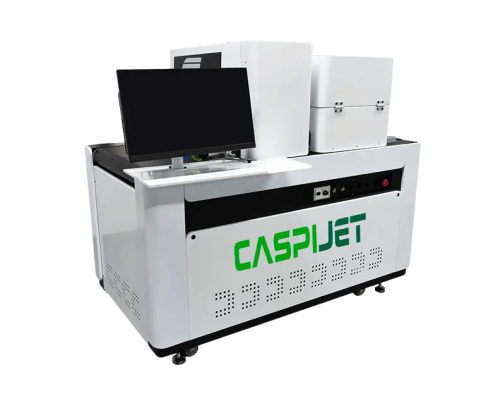
Caspijet CJ-T2
Ready Cup Printing Single Pass Printer
Print Head: Epson
Print Speed: 20-40m/min
Feed Width: 30cm
Print Height: 10cm
Print Width: 3.2cm
Color: CMYK
Ink Type: Water…
Discover
Ready Cup Printing Single Pass Printer
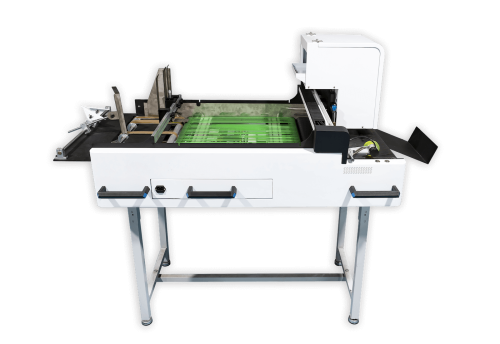
Caspijet CJ-T3
Egg Box Printing SIngle Pass Printer
Print Head: HP A3 (HP FI-1000) and Epson
Print Speed: 20-40m/min
Feed Width: 60cm (Customization Support)
Print Height: 18cm (Customization…
Discover
Egg Box Printing SIngle Pass Printer
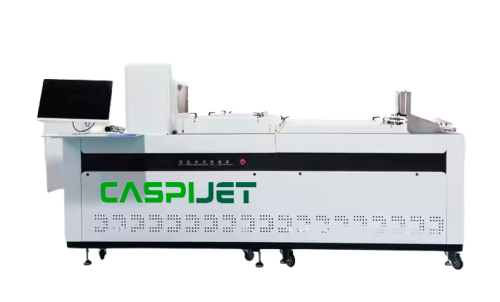
Caspijet CJ-T30
Desktop Cardboard Printing Single Pass Printer
Print Head: HP A3/A4
Print Speed: 20-40m/min
Feeding Width: 600mm (800mm Optional)
Print Height: 200mm (Customization Support)
Print Width: 320mm…
Discover
Desktop Cardboard Printing Single Pass Printer
Caspijet CJ-T600
CJ-T600 Cardboard Printing Single Pass Printer
Print Head:HP A3/A4
Print Speed:20-40m/min
Feeding Width: 600mm (Optional 800mm)
Print Height:200mm (Customization Support)
Print Width: 320mm
Color: CMYK
Ink…
Discover
CJ-T600 Cardboard Printing Single Pass Printer
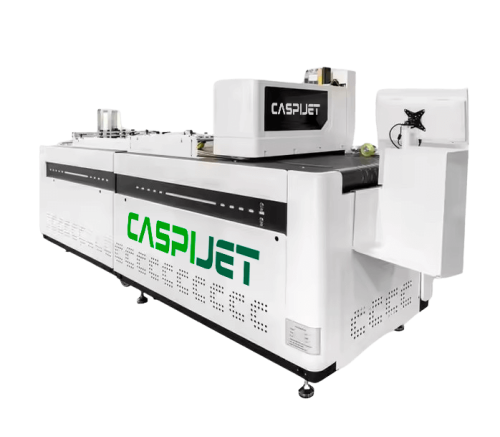
Caspijet CJ-T800
CJ-T800 Cardboard Printing Single Pass Printer
Print Head:HP A3/A4
Print Speed: 20-40m/min
Feeding Width: 800mm
Print Height: 200mm (Customization Support)
Print Width: 300mm/600mm
Color: CMYK
Ink…
Discover
CJ-T800 Cardboard Printing Single Pass Printer
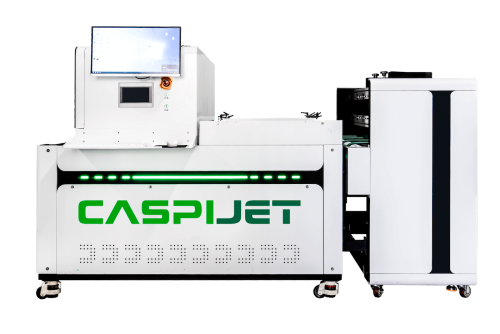
Caspijet CJ-T1200
CJ-T1200 Cardboard Printing Single Pass Printer
Print Head: HP A3/A4
Print Speed: 20-40m/min
Feeding Width: 1200mm (Optional 800mm)
Print Height: 100mm (Customization Support)
Print Width: 840mm…
Discover
CJ-T1200 Cardboard Printing Single Pass Printer
Packaging Application Examples
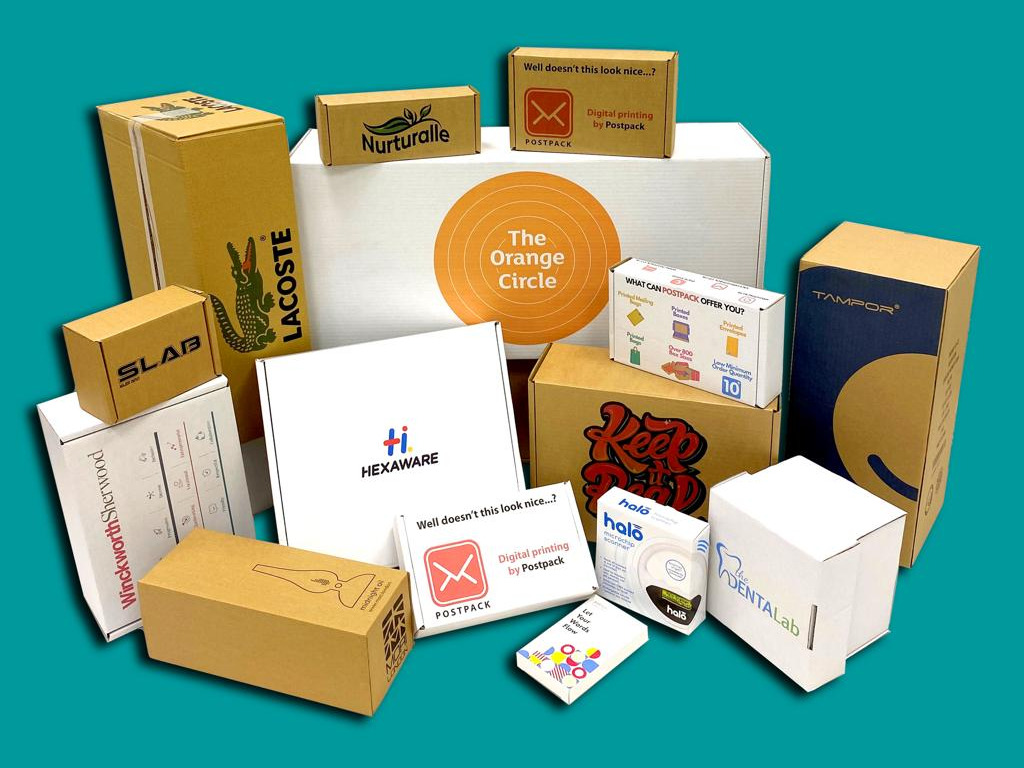
Box Packaging Print Work
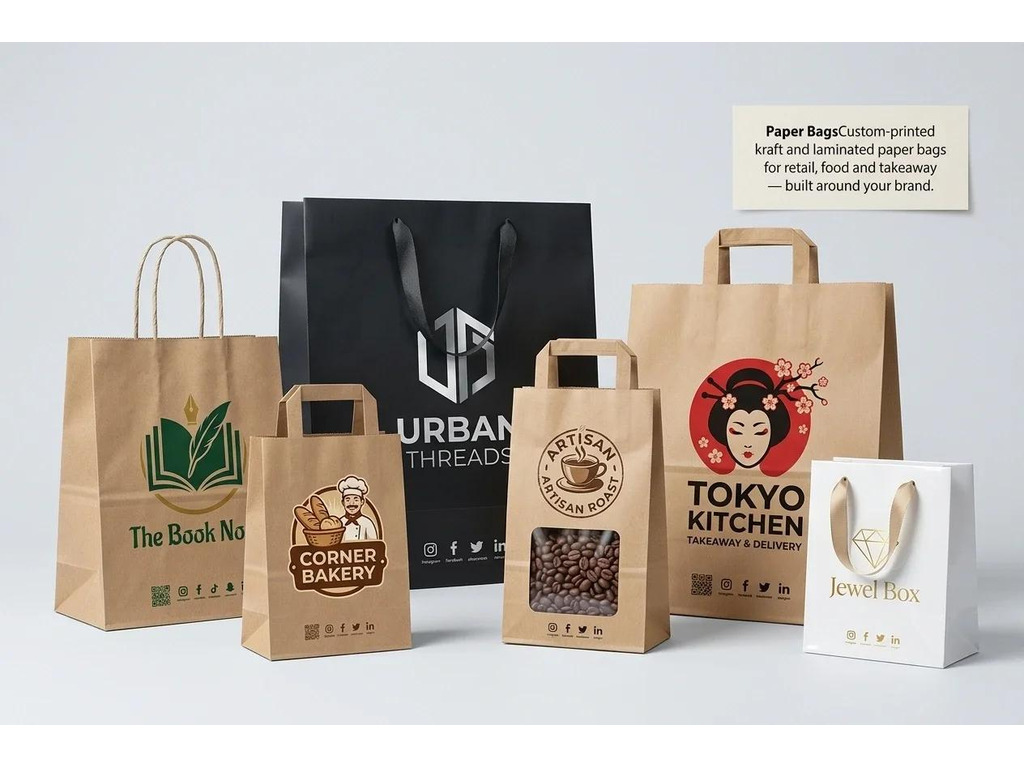
Logo Printed Kraft Paper Bag
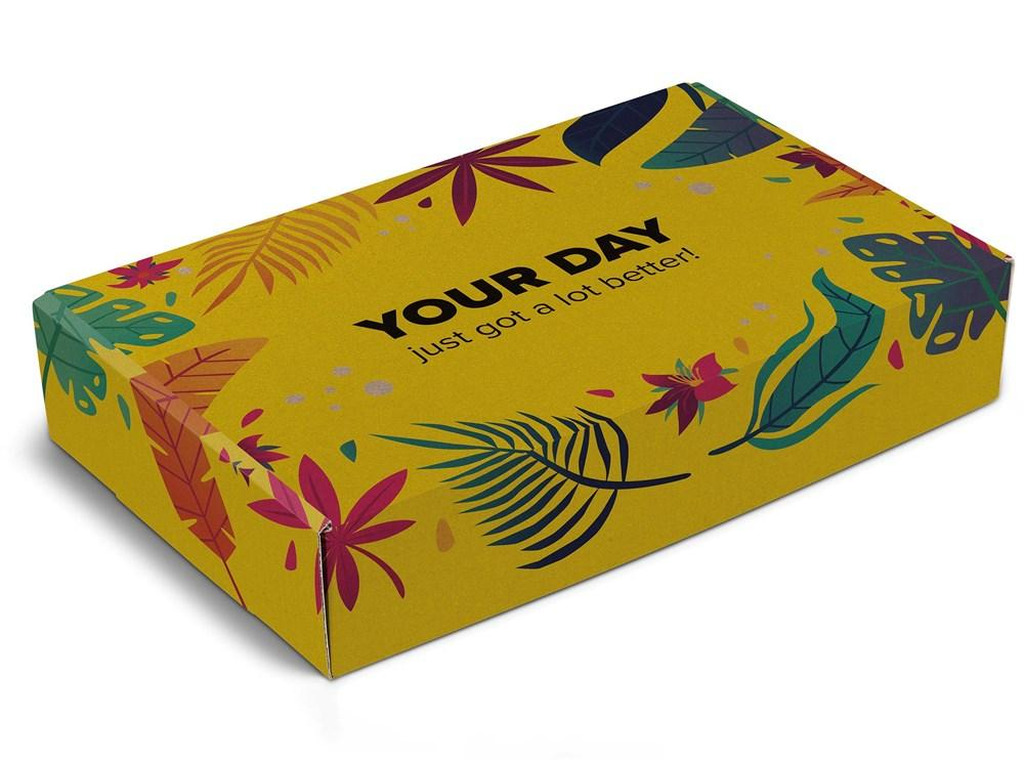
Patterned Shipping Box Printing
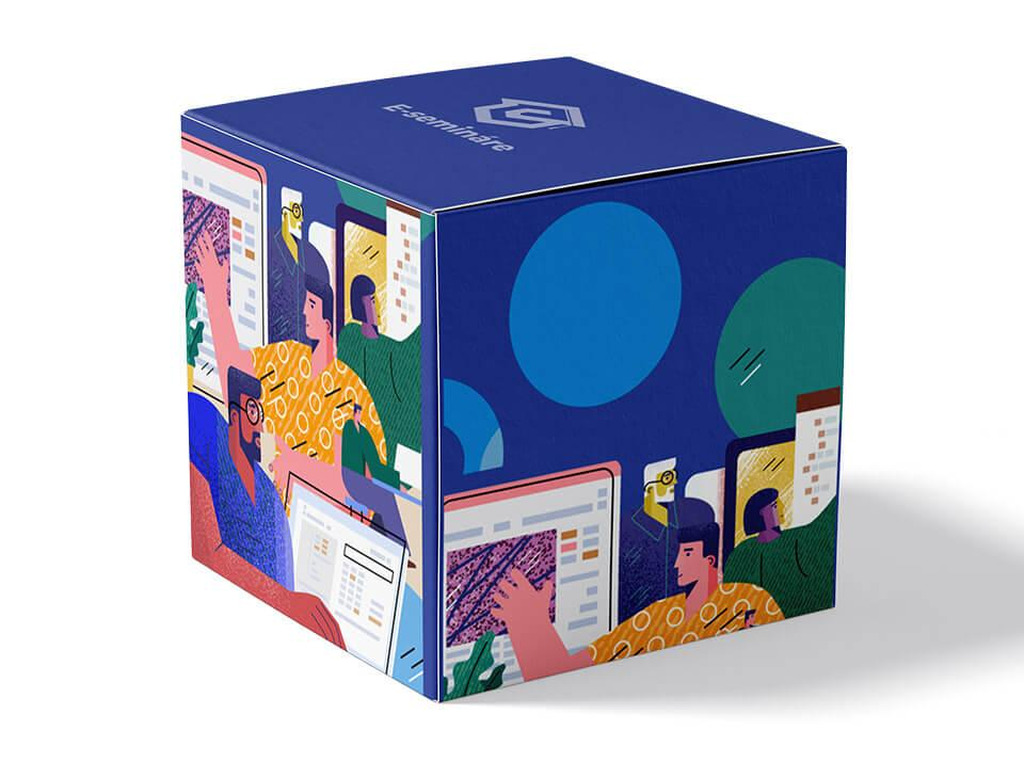
Illustrated Carton Box Print
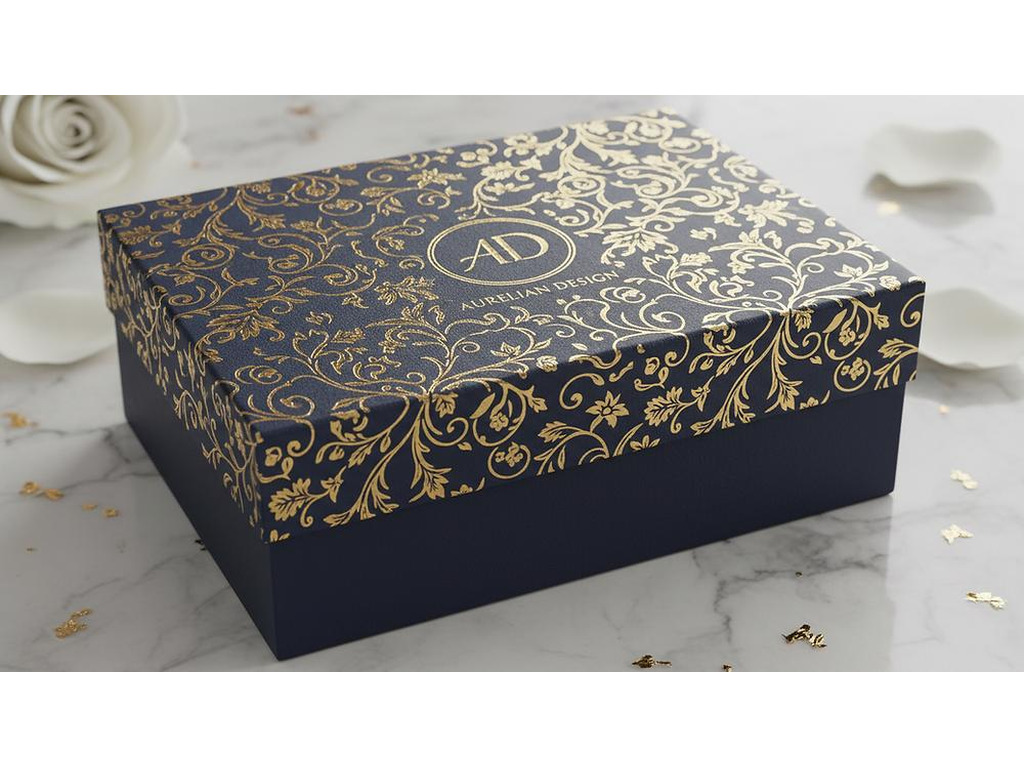
Luxury Gift Box with Foil Print
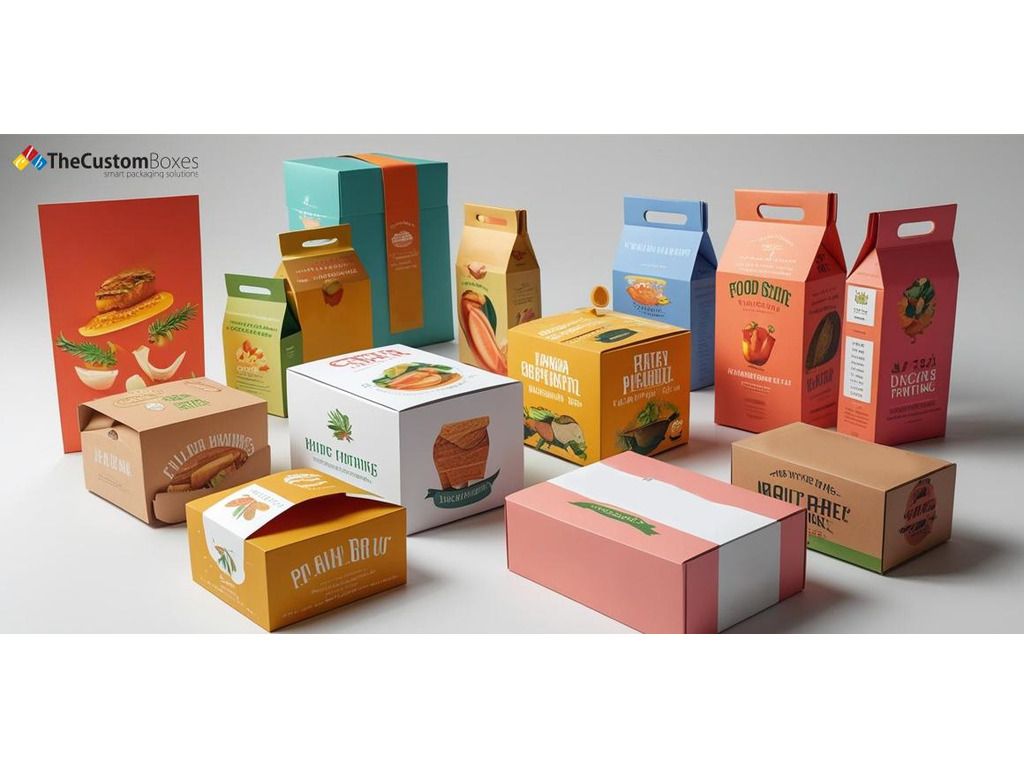
Food Packaging Box Print Varieties
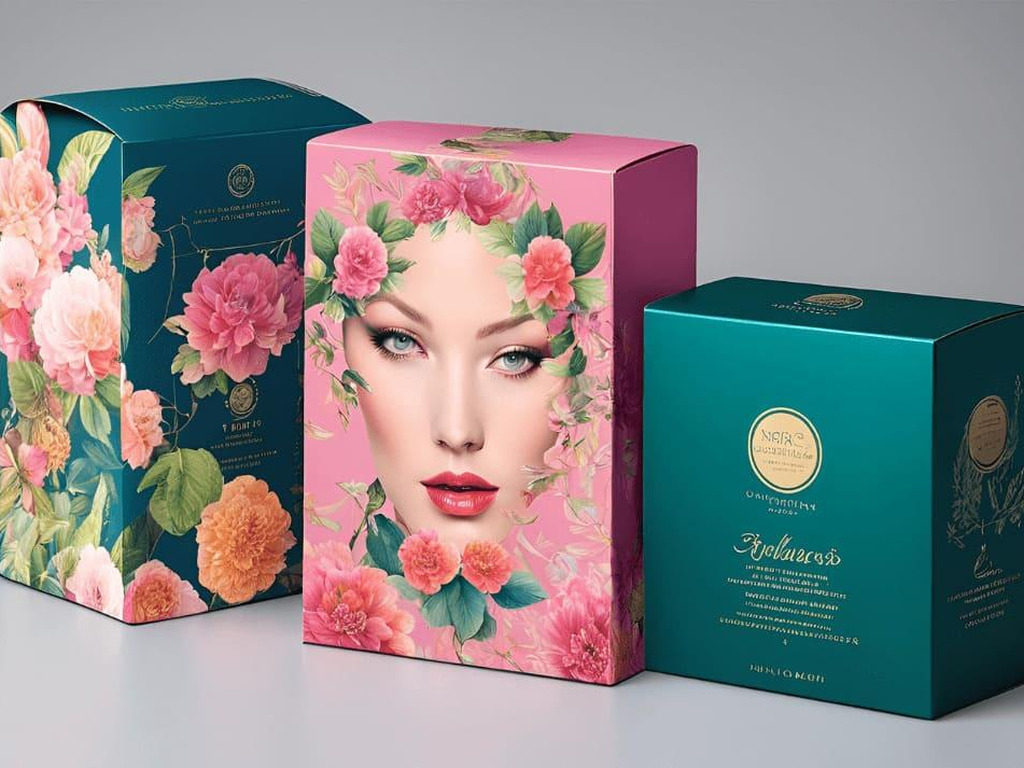
Cosmetic Packaging Box Printing
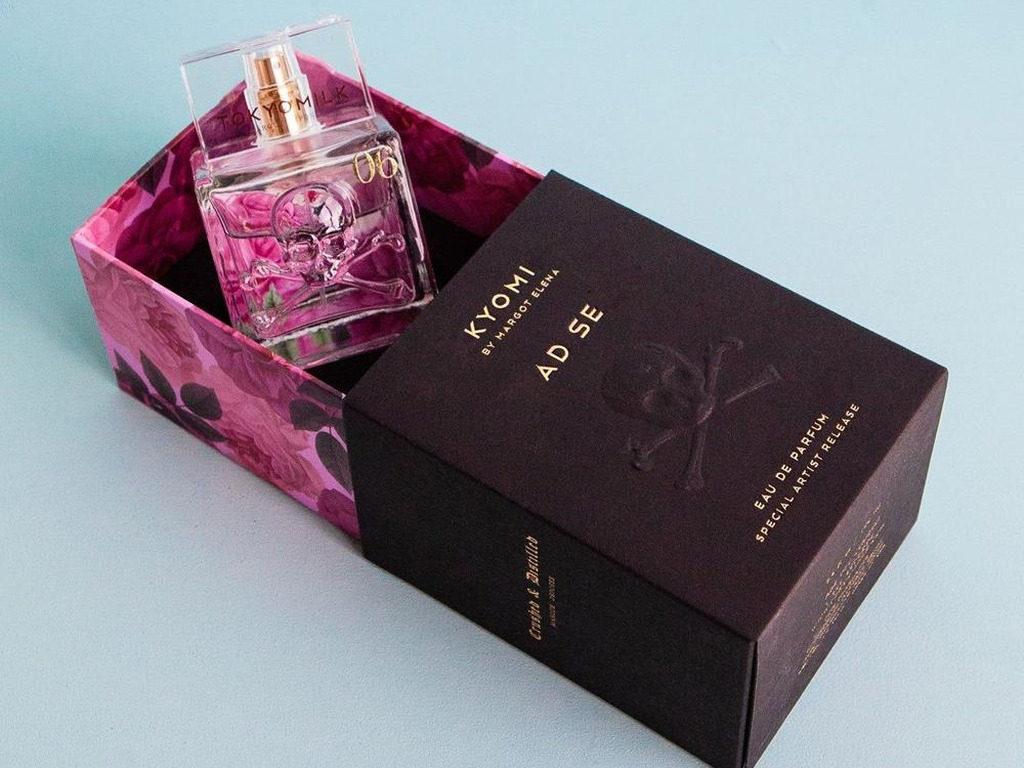
Perfume Packaging Box Printing
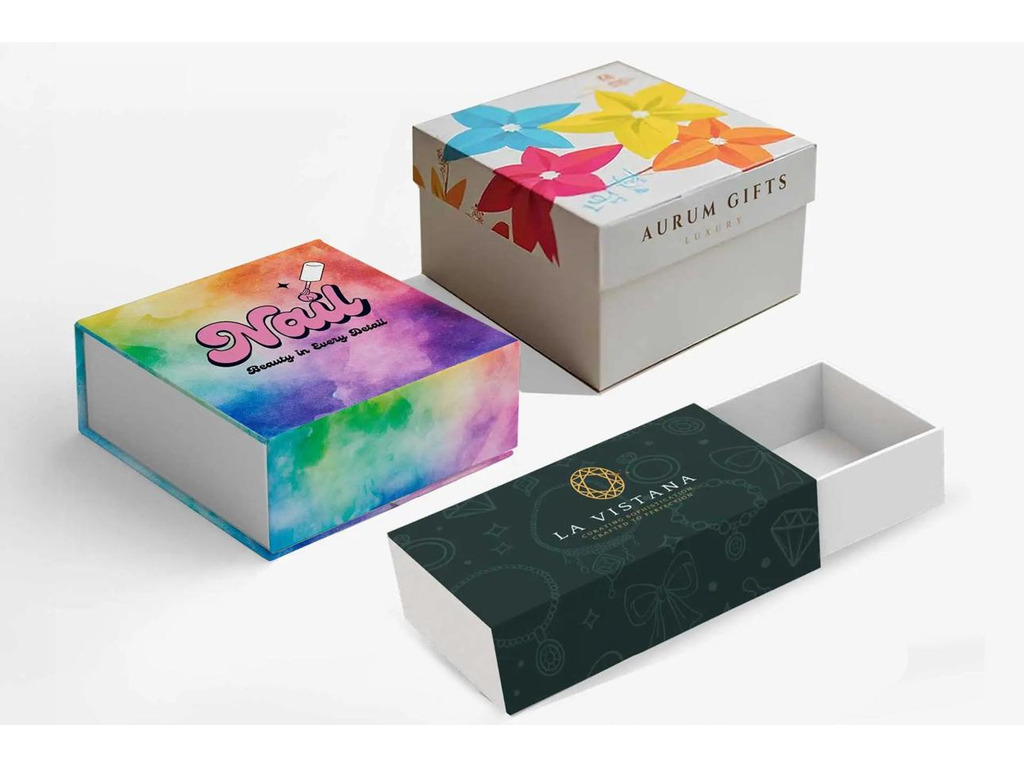
Gift Box Print Work
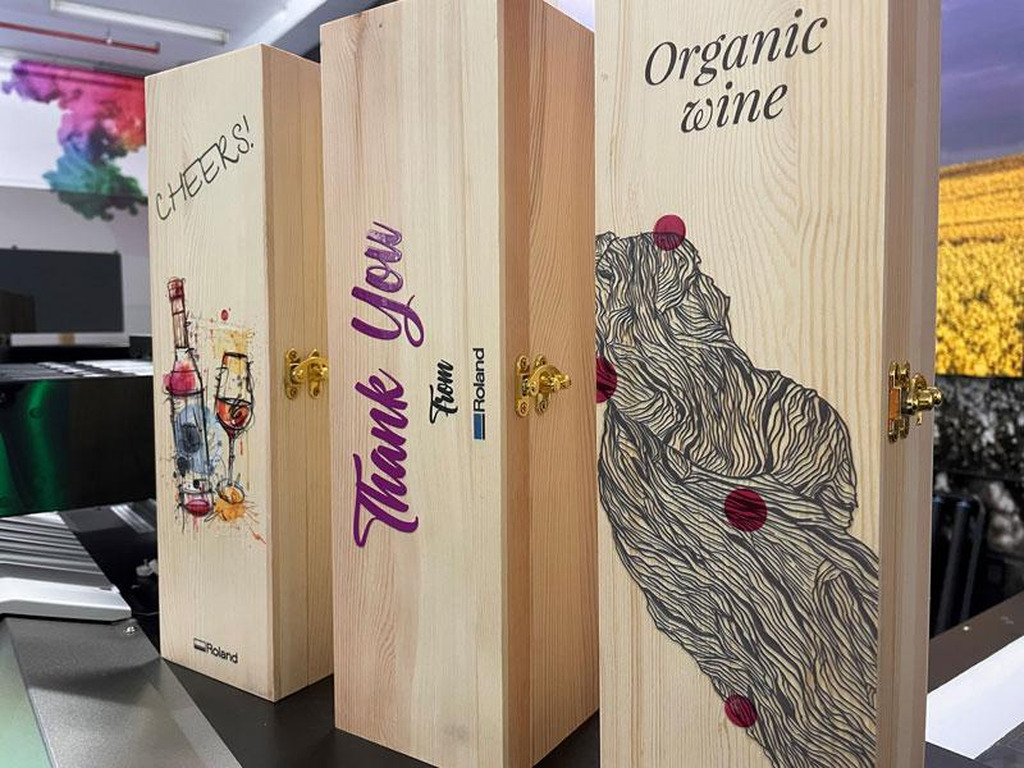
Printing on Wooden Wine Box
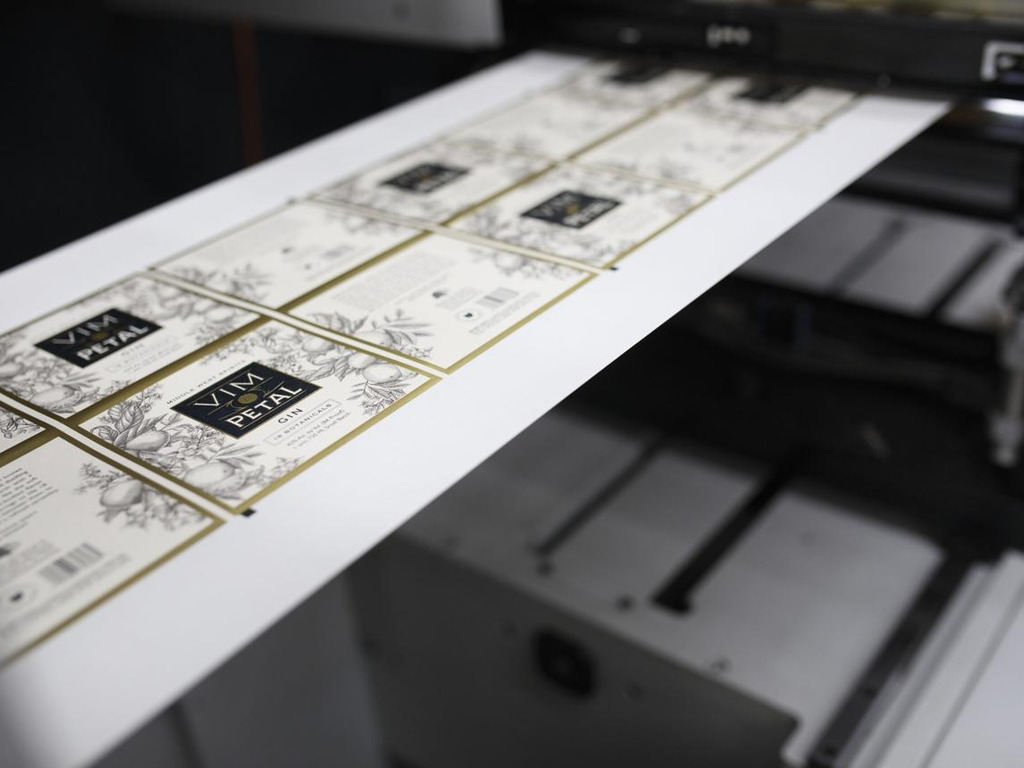
Label Print Work
Digital printing in the packaging industry has fundamentally changed production logic because it requires no plates or dies. While offset and flexo systems need a separate plate for every job, digital printing transfers the design directly onto the material. This difference makes even a single sample economically viable.
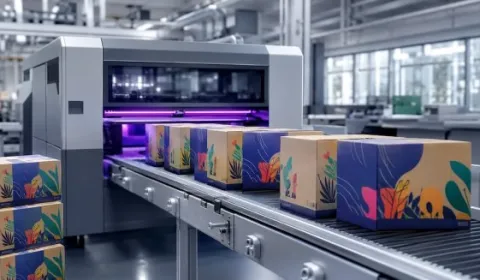
Preferred in the production of cartons, labels, ready-made cups, egg trays and custom packaging, single pass systems use an architecture in which the printheads remain fixed and the material flows beneath them in one pass. Because the head does not travel back and forth, production speed is many times higher than on conventional scanning machines.
Advantages of digital printing in packaging production
Cost advantage in short runs
With no plate cost, the unit cost gap between a 100-piece job and a 10,000-piece job narrows significantly. This makes packaging accessible for seasonal products, regional campaigns and boutique brands.
Personalisation and variable data
Every print can differ from the last. Serial numbers, QR codes, region-specific artwork or named packaging can be produced within a single job. With conventional methods each variation would mean a separate plate.
Rapid prototyping
Taking a sample on the real material before design approval is possible within hours in digital printing. This shortens product development and removes post-print surprises.
Which machine suits which job
Machine selection in packaging is determined by the geometry of the product to be printed. Flatbed UV printing machines suit flat carton sheets, while roll to roll systems suit roll labels and flexible packaging. Ready formed items such as cups and trays require single pass machines configured for that specific product.
To compare the technologies in detail, see our digital printing machines guide.
Frequently Asked Questions About Digital Printing in the Packaging Industry
1. Can digital printing be used for food packaging?
It can, provided the ink stays on a surface that does not contact food directly, or a certified food-compliant ink is used. Consult our technical team for the correct ink choice for your application.
2. Is digital printing really more economical in short runs?
Yes. With no plate or setup cost, the unit cost at low quantities is significantly lower than offset. As volumes rise offset becomes advantageous; the break-even point varies by job type.
3. What is the difference between single pass and scanning machines?
In single pass systems the printheads are fixed and the material flows in one pass, giving very high speed but the machine is configured for a specific product. Scanning machines are more flexible and handle varied jobs, but are slower.
4. How durable is the print?
Because UV ink cures at the moment of printing it bonds strongly to the surface and resists abrasion and moisture. Varnish or lamination can be applied where extra protection is required.