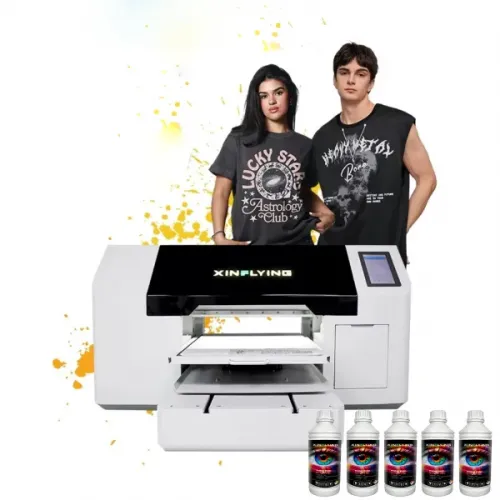

XinFlying DTG-10 DTG T-Shirt Printing Machine Epson i3200-A1
Xinflying DTG Garment Printer-10 An all-in-one DTG printing solution equipped with Epson i3200-A1 printheads that combines pretreatment and direct-to-garment printing…

Xinflying DTG Garment Printer-10 An all-in-one DTG printing solution equipped with Epson i3200-A1 printheads that combines pretreatment and direct-to-garment printing…
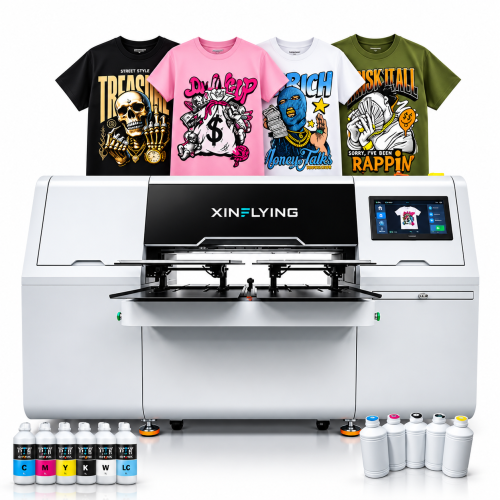
Xinflying DTG Garment Printer-20 A high-efficiency double station DTG printing machine equipped with Epson i3200-A1 printheads. Its integrated pretreatment and…
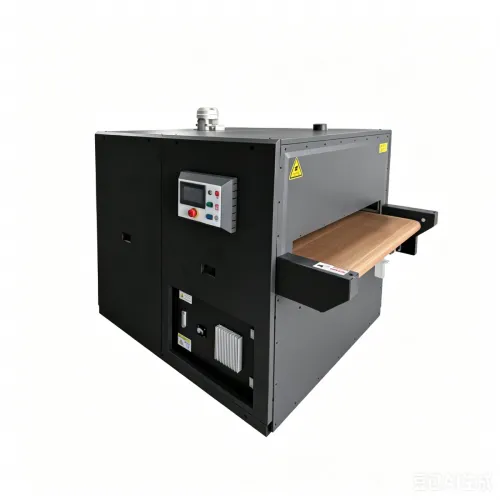
Equipment Parameters Body Material Painted steel sheet Conveyor Belt System PTFE (Teflon) mesh belt Control System LCD human-machine interface (HMI)…
DTG pigment t-shirt printing systems print directly onto the finished garment, with no film or transfer step. The t-shirt is placed on the platen, the machine first applies the pre-treatment liquid, then prints white and colour pigment ink in the same pass. On XinFlying DTG models the pre-treatment unit is built into the body, so there is no need for a separate spraying machine or stacks of t-shirts waiting to dry.
DTG is strongest in one-off and personalised production. One t-shirt for one customer, a different design for the next order; you go straight to print with no screens, stencils or film to prepare. Because pigment ink penetrates the fibre, the print leaves a soft hand feel and breathes with the fabric when worn. The best results come on garments with 50% cotton or more.
The series covers an entire line, from a single-station starter machine to a double-station model for continuous production and a tunnel dryer for post-print curing.
A workshop printing a few dozen t-shirts a day works comfortably with a DTG-10 and a heat press. If your orders run into the hundreds, installing the DTG-20 together with the tunnel dryer keeps the bottleneck from shifting from printing to curing and keeps the line moving.
The two technologies serve the same customer but shine in different jobs. DTG has the edge in one-off work on cotton where a soft feel matters; DTF wins on mixed fabrics, dark polyester and bulk orders. For serial and mixed-product production see our DTF t-shirt printing systems category, and for every machine used in textiles visit our textile sector page. Not sure which method suits you? Get in touch and we will compare them with sample prints.
Pigment ink bonds to natural fibres, so the best results come on t-shirts, sweatshirts, hoodies and tote bags with 50% cotton or more. For 100% polyester fabrics, DTF or sublimation is a better fit.
Pre-treatment keeps the white ink on the surface of the fabric and makes colours vivid, which matters most on dark t-shirts. On XinFlying DTG models this step happens inside the machine, so there is no separate spraying and drying process.
For the print to survive washing, pigment ink has to be cured with heat. In low-volume production a heat press does the job; at high volume a conveyor tunnel dryer cures garments continuously on the belt and removes the waiting time at the press.
With a single station the operator waits until printing finishes. With two stations a new garment is loaded on one platen while the other prints, so the machine never sits idle. If your daily volume is high, a double station nearly doubles hourly output.