


DTF Printing Machine 8 Heads Epson i3200-A1 80 cm

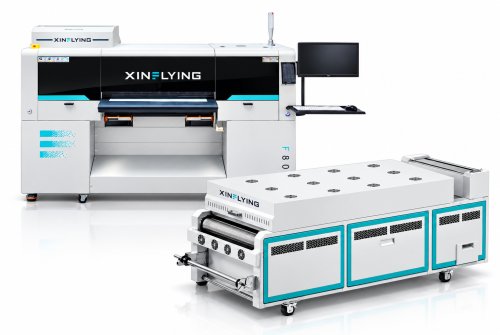
XinFlying F808
DTF Printing Machine 8 Heads Epson i3200-A1 80 cm
Equipped with a wide print format and 8 Epson printheads, this printer suits growing and large-scale businesses producing high-volume orders…
Discover
DTF Printing Machine 8 Heads Epson i3200-A1 80 cm
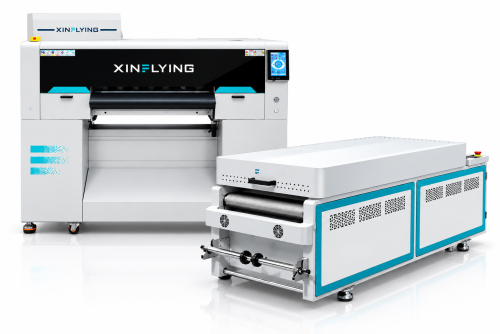
XinFlying F606
DTF Printing Machine 6 Heads Epson i3200-A1 60 cm
F606-6132A1+A6502 24″ 6 pcs Epson i3200-A1 Printheads DTF Printer
Equipped with a wide format and 6 Epson printheads, this…
Discover
DTF Printing Machine 6 Heads Epson i3200-A1 60 cm
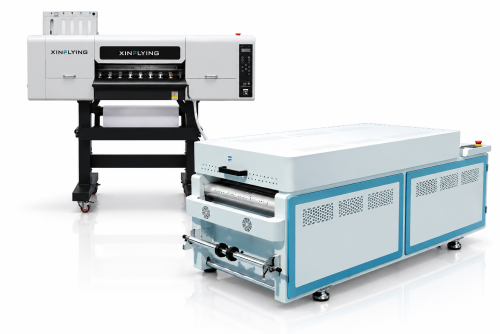
XinFlying C604
DTF Printing Machine 4 Heads Epson i3200-A1 60 cm
C604+H6501 24 Inch 4 pcs I3200-A1 Printheads DTF Printer
Direct-to-film transfers can be applied to shoes, t-shirts, handbags, cushions,…
Discover
DTF Printing Machine 4 Heads Epson i3200-A1 60 cm
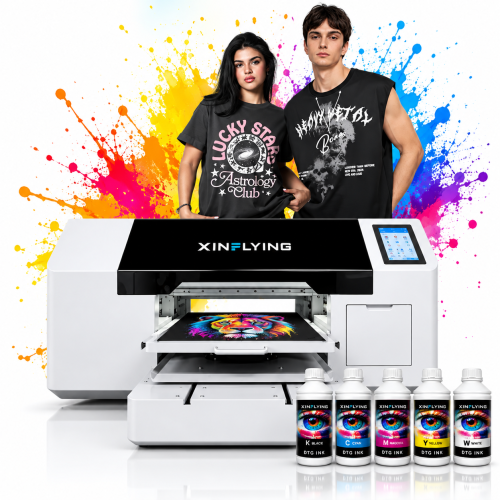
XinFlying DTG-10
DTG T-Shirt Printing Machine Epson i3200-A1
Xinflying DTG Garment Printer-10
An all-in-one DTG printing solution equipped with Epson i3200-A1 printheads that combines pretreatment and direct-to-garment printing…
Discover
DTG T-Shirt Printing Machine Epson i3200-A1
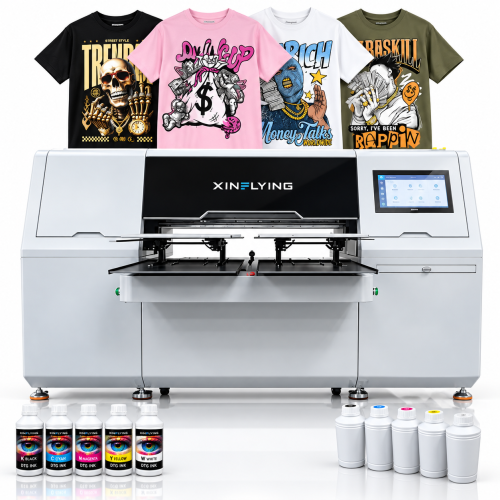
XinFlying DTG-20
Double Station DTG T-Shirt Printing Machine 4 Heads Epson i3200-A1
Xinflying DTG Garment Printer-20
A high-efficiency double station DTG printing machine equipped with Epson i3200-A1 printheads. Its integrated pretreatment and…
Discover
Double Station DTG T-Shirt Printing Machine 4 Heads Epson i3200-A1
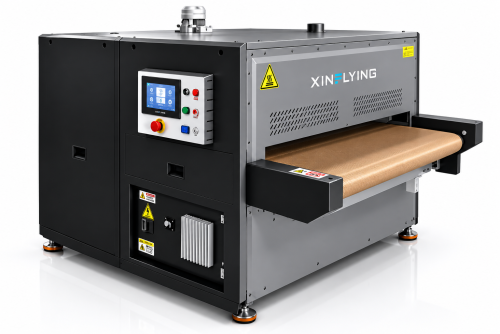
XinFlying Dryer-900
Conveyor Tunnel Dryer 90 cm Belt
Equipment Parameters
Body Material
Painted steel sheet
Conveyor Belt System
PTFE (Teflon) mesh belt
Control System
LCD human-machine interface (HMI)…
Discover
Conveyor Tunnel Dryer 90 cm Belt
XinFlying DTF and DTG printing machines are part of the Pass Dijital range with DTF and DTG series focused on textile printing. Founded in 2010, the brand produces consumables such as ink, film and adhesive powder alongside the machines, so printing, powdering and curing are brought together in a single consistent production flow.
The range covers two distinct technologies. On the DTF side are roll systems with Epson i3200-A1 printheads in 60 and 80 cm print widths, supplied together with a powder shaker and drying unit; on the DTG side are single and double station models with an integrated pretreatment unit that print directly onto the finished garment. A conveyor tunnel dryer for post-print curing is offered in the same series. To get to know the technology, see our DTF printing machine guide and our DTF and UV DTF comparison.
Frequently Asked Questions About XinFlying DTF and DTG Printing Machines
Which fabrics does DTF printing work on?
In DTF printing the image is first printed onto film, coated with adhesive powder and transferred to the fabric with a heat press. Because the dye does not bond directly to the fibre, it can be used on a wide material group including cotton, polyester, blended fabrics and dark-coloured backgrounds.
What is the difference between DTF and DTG?
In DTF the image is printed onto film, coated with powder adhesive and transferred to the product with a heat press, and the same film can be applied to different items. DTG has no transfer step; the print is applied directly onto the finished garment. DTF suits serial and mixed-product runs, while DTG suits one-off and personalised production.
Which print width should I choose?
Your daily transfer output is the deciding factor. While 60 cm models are enough for low and medium volumes, models of 80 cm with more printheads noticeably reduce unit cost in regular series production.