


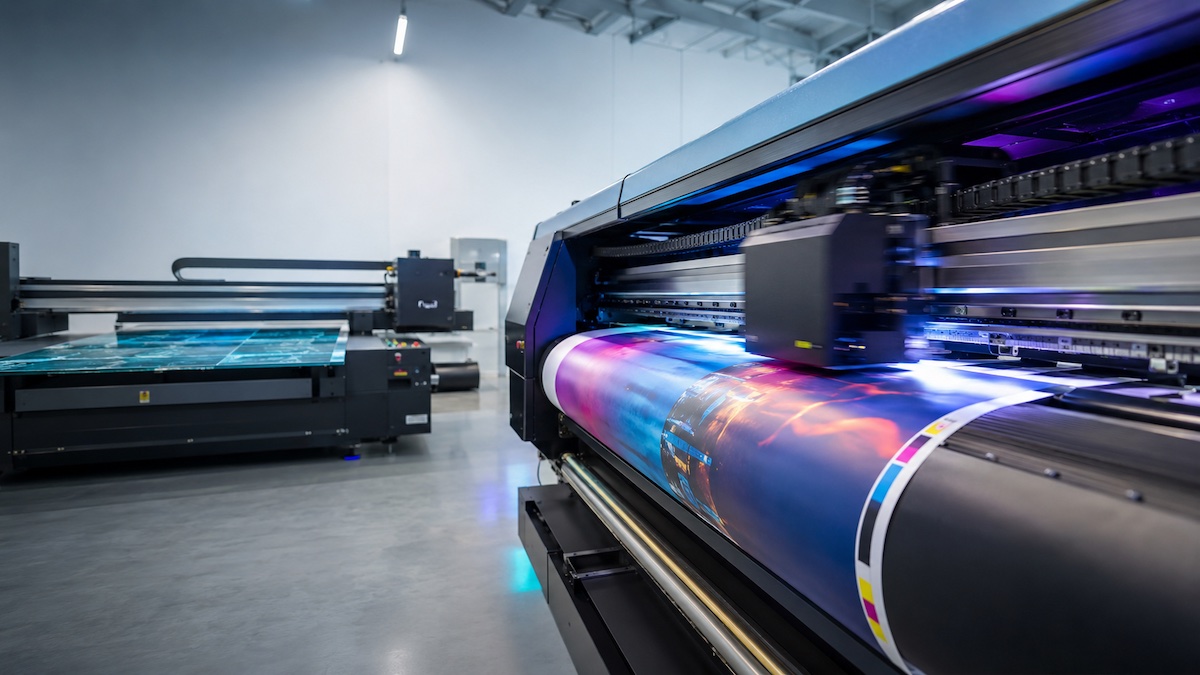
Digital printing machines is the general name for systems in which the image is transferred directly onto the material without using a plate or screen. That is the fundamental difference from offset and screen printing: because there is no preparation stage, even a single-unit job can be produced economically and every print can differ from the last.
However, "digital printing machine" does not describe a single product type. The ink used, the curing method and the way material is fed create machine families that differ considerably. The first step towards the right investment is clarifying which technology suits your work.
Digital printing technologies
The five technologies below cover the majority of industrial digital printing. Each has different areas of strength and weakness.
UV printing
The ink cures under ultraviolet light at the moment of printing. Because it adheres even to non-absorbent surfaces, it works across a very wide material range including glass, wood, metal, acrylic and PVC. As there is no drying wait, production is fast. For details of the technology, see our UV printing machines guide.
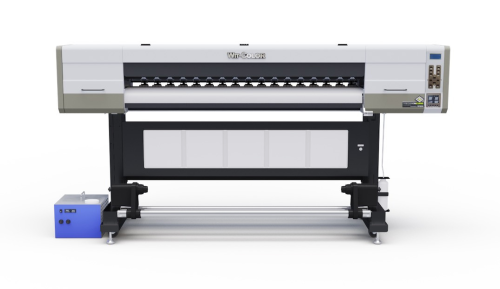
The UV family divides into three: fixed-table flatbed, roll to roll for roll media, and hybrid systems combining the two.
Solvent printing
Strong solvent-based inks bond chemically to the material and offer the highest resistance to outdoor conditions. It is the core technology for work expected to last, such as billboards, facade banners and construction screens. In return it produces a sharp odour and requires effective ventilation. You can review models in the solvent printing machines category.
Ecosolvent printing
This is solvent's low-VOC relative. Because it runs almost odourlessly it is preferred for indoor work such as in-store graphics, exhibition stands and wall coverings. Combined with lamination it also lasts outdoors. For a detailed comparison of the two technologies, see our comparison article.
Sublimation printing
An image printed onto transfer paper turns to gas under heat and pressure and penetrates the polyester fibre. Because the print forms no layer on the surface it cannot be felt by hand, does not crack and does not fade in the wash. It is the standard method for flag, pennant and sportswear production. Models are listed in the sublimation printing machines category.
DTF and UV DTF printing
In the DTF method the image is first printed onto film, coated with powder adhesive and transferred to fabric with a heat press. Unlike sublimation it also works on cotton and dark-coloured fabrics. UV DTF carries the same transfer logic to rigid and curved surfaces. For the difference between them, read our DTF and UV DTF comparison.
Which job is produced on which machine
Technology choice is determined by the material you will print and where the work will be used. In practice the decision simplifies as follows:
Outdoor, long-life work
For work that will stay outside for years, such as billboards, facade banners and construction screens, solvent comes first. Roll to roll UV systems are also outdoor-durable and are increasingly preferred for their odour-free operation.
Indoor graphics
Ecosolvent or UV are suitable choices for store graphics, exhibition stands and wall coverings. Solvent should not be used in environments where odour is an issue.
Rigid and thick materials
For board materials such as glass, wood, metal and acrylic, flatbed UV is the only correct option. Printing is done directly, without an intermediate transfer.
Textile products
Sublimation is used for polyester-based products and DTF for cotton and dark-coloured fabrics. Flag production is a specialised sub-branch; for details see our flag printing machines guide.
Criteria to consider when choosing a machine
Print width
The deciding factor is the job you produce regularly, not your largest job. A narrow machine creates seams and labour on wide work; a wide machine carries idle capacity on narrow work.
Printhead technology
The head determines speed, resolution and ink compatibility. Kyocera and Ricoh Gen6 stand out in serial production, Epson i3200 in fine detail. Spare part availability matters at least as much as technical specification.
Number of printheads
The head count directly determines hourly capacity. In low-volume production too many heads are unnecessary cost, while in high volume too few create a bottleneck.
Service and spare parts
The most critical factor in the total cost of ownership of a printing machine is often not the machine price but downtime when a fault occurs. Choosing a brand with local technical service and spare part stock more than covers any price difference in the long run. We covered this in detail in our production efficiency article.
Popular Digital Printing Machine Models
| Fotoğraf | Ürün Kodu | Ürün Adı | Detaylı Bilgi |
|---|---|---|---|
|
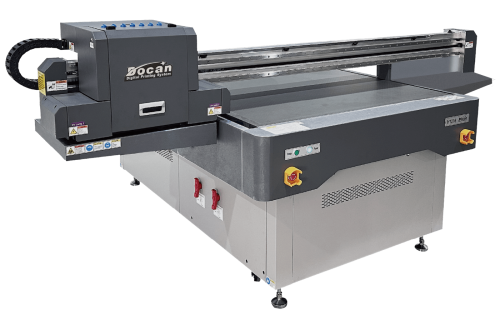
Docan H1216 | Flatbed UV Digital Printing Machine Ricoh Gen6 / Epson i3200-U1 | Review |
|
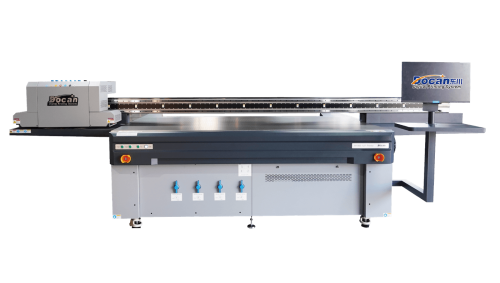
Docan UV H1000 | Flatbed UV Digital Printing Machine Kyocera, Ricoh | Review |
|
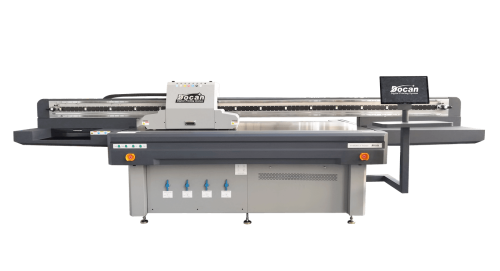
Docan UV H1600M | Flatbed UV Digital Printing Machine Kyocera, Ricoh | Review |
|
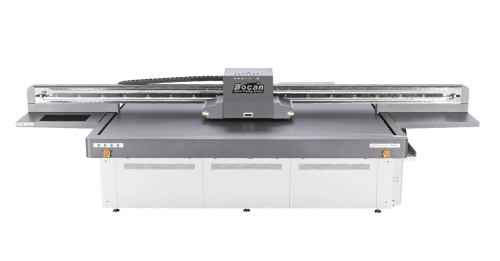
Docan UV H3000 | Large Size Digital UV Printing Machine | Review |
|
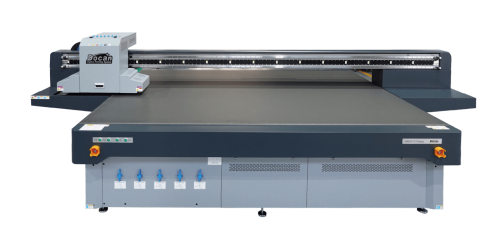
Docan UV H3220 | Industrial UV Flatbed Printer | Review |
|
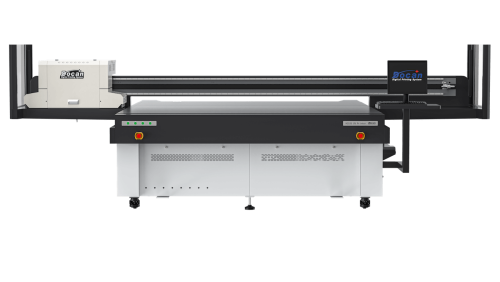
Docan UV H2525 | Flatbed UV Digital Printing Machine | Review |
|
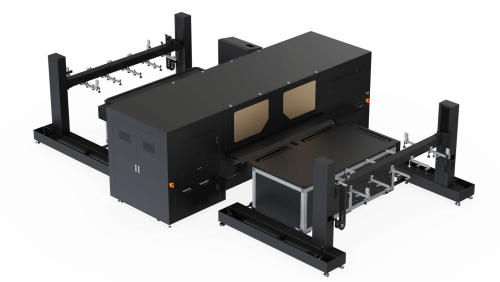
Docan UV Pro W2525 | Industrial Hybrid UV Printing Machine | Review |
|
UV Ultra i3200 1702 | Roll to Roll UV 1.6m Epson i3200 1702UV | Review |
Frequently Asked Questions About Digital Printing Machines
1. Which digital printing technology should I choose for my business?
The decision rests on three questions: which material will you print, will the work be used indoors or outdoors, and what is your daily production volume. If you print rigid boards, flatbed UV; roll media, roll to roll UV or ecosolvent; textiles, sublimation or DTF is the right direction.
2. Can I do every job with a single machine?
No. Hybrid systems combine roll and board printing, but the ink technology is fixed; sublimation or DTF work cannot be done on a UV machine. Different ink types require different machines.
3. What is the most common mistake in digital printing machine investment?
Choosing print width based on future assumptions. Businesses often buy a wider machine than needed, thinking "we might take on big jobs later", and carry the cost of idle capacity for years. The right approach is to choose according to today's regular job profile and outsource the rare large jobs.
4. How does ink cost affect machine selection?
The machine price is one-off; ink expense is continuous. Ink consumption per square metre varies noticeably by technology and head design. Having the cost per square metre calculated on your own typical job before deciding provides a realistic comparison.
5. How long do installation and operator training take?
While it varies by machine type, installation is usually completed within a few days. Training for the operator to begin basic production depends on machine complexity; establishing colour management and maintenance routines can take a few weeks.